


Filters
16 items
Sort Date, new to old
-

34g Burmese Amber Specimen — Raw Myanmar Amber, Translucent, with Plant Inclusions
-

74g Raw Burmese Amber Specimen — Natural Fossil Resin, Myanmar Origin
-
-
-
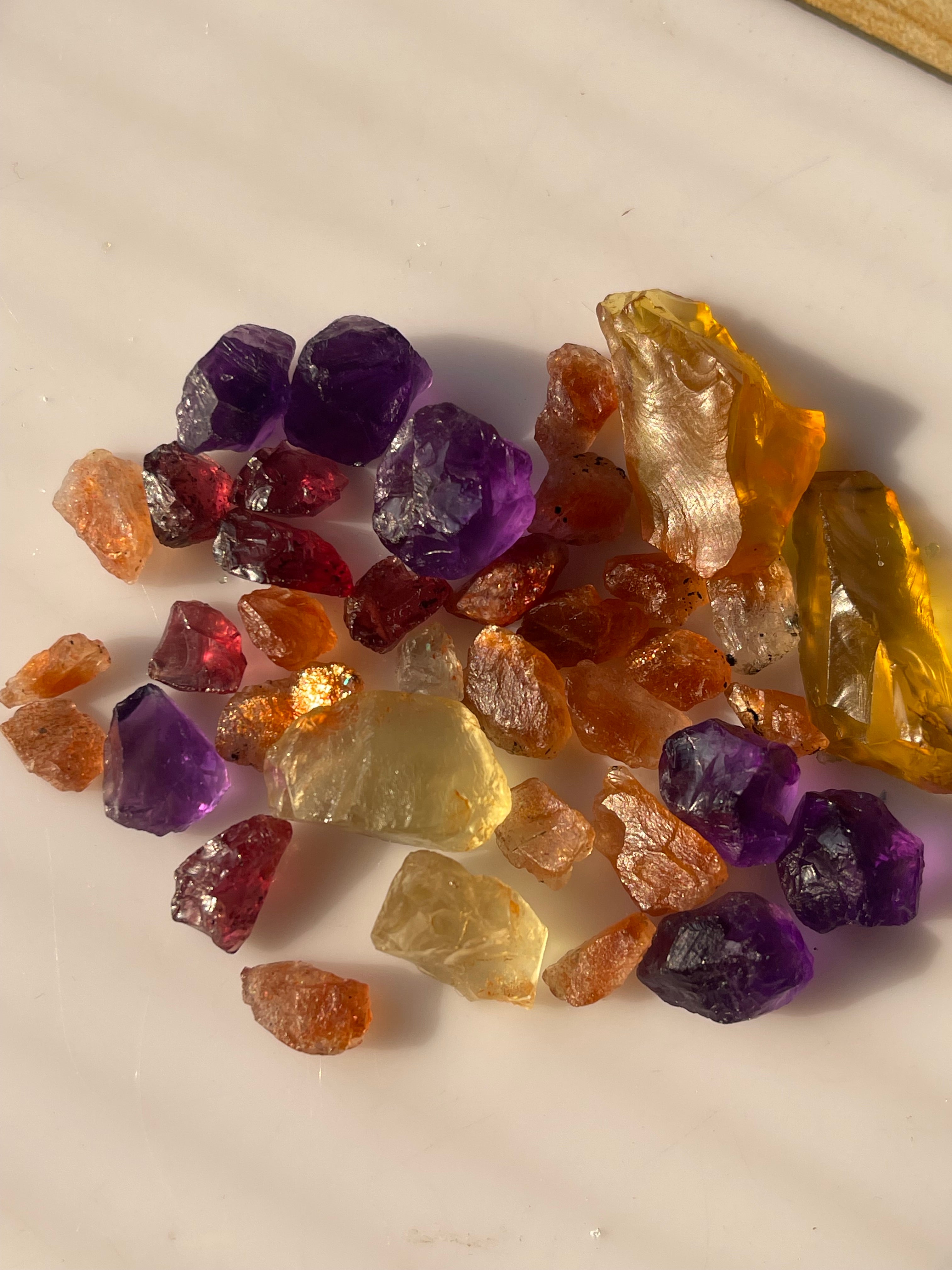
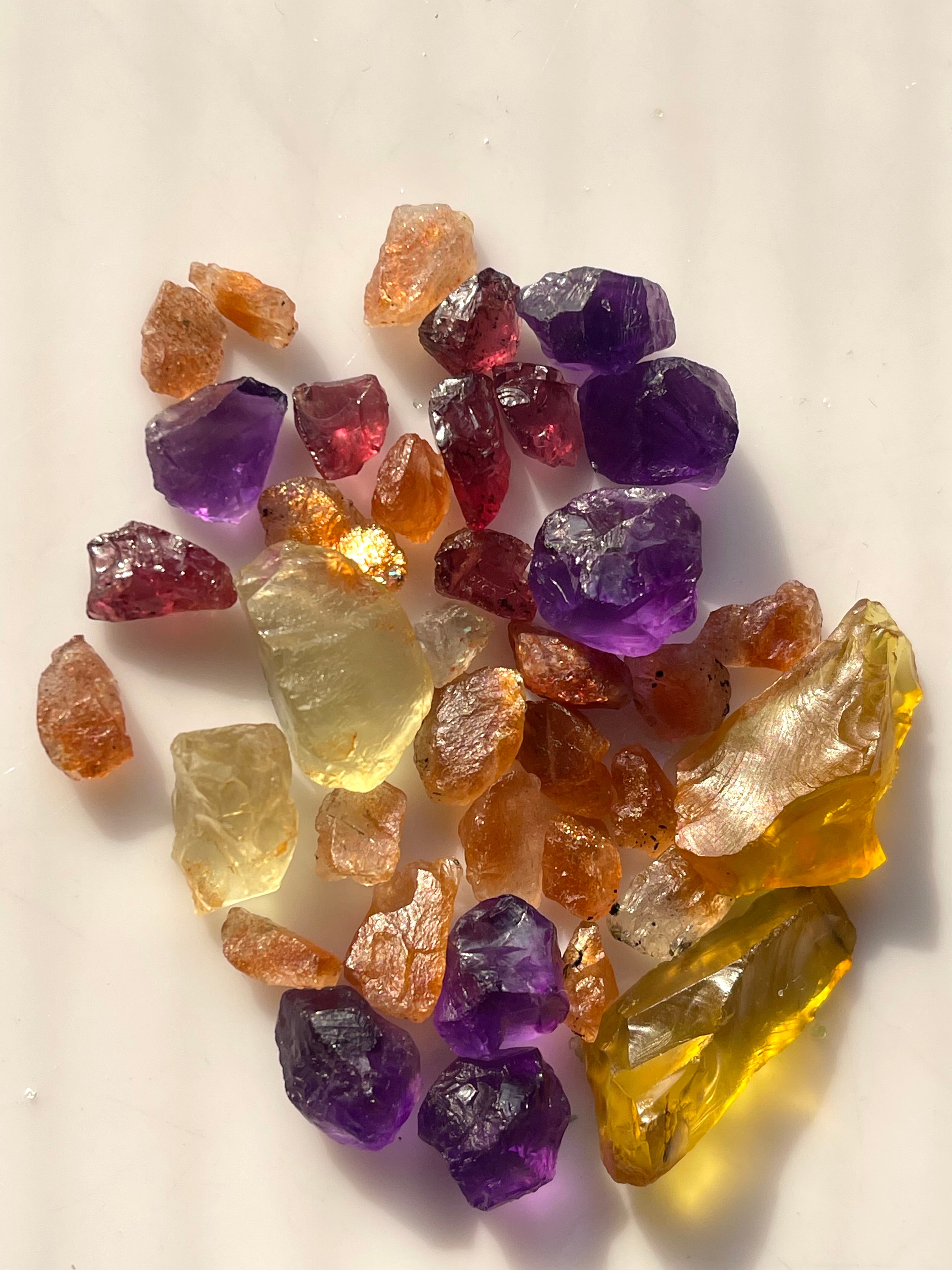
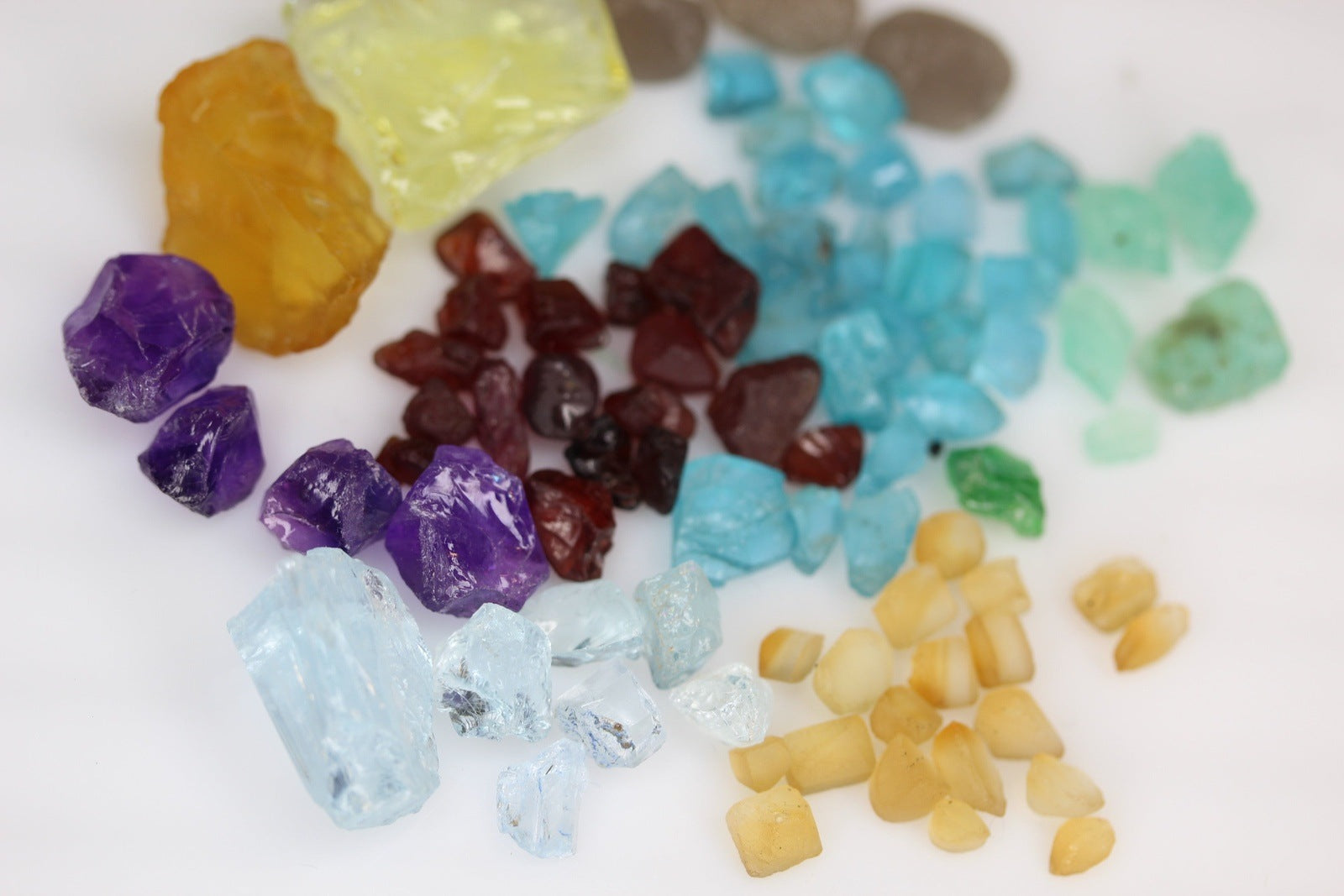
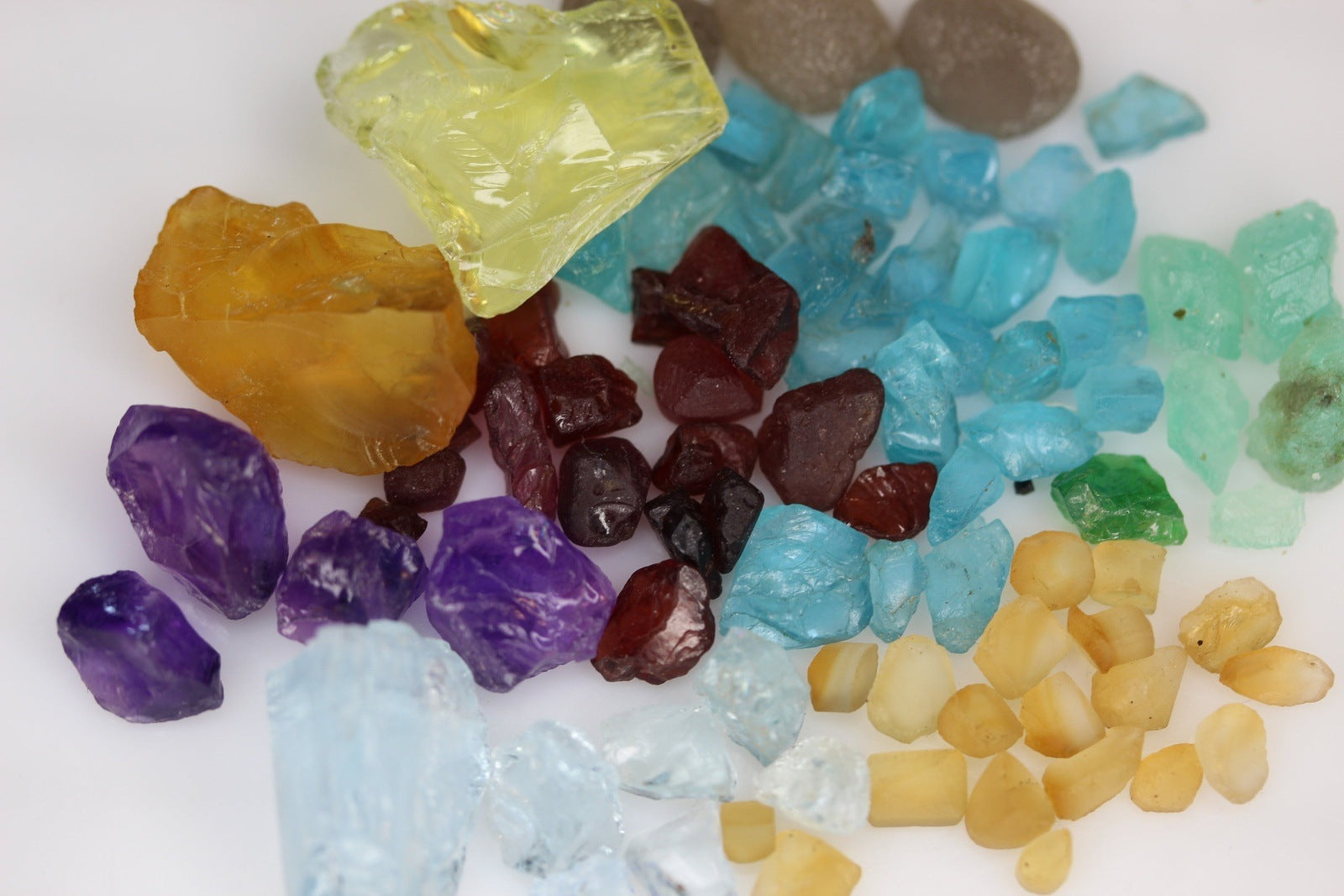
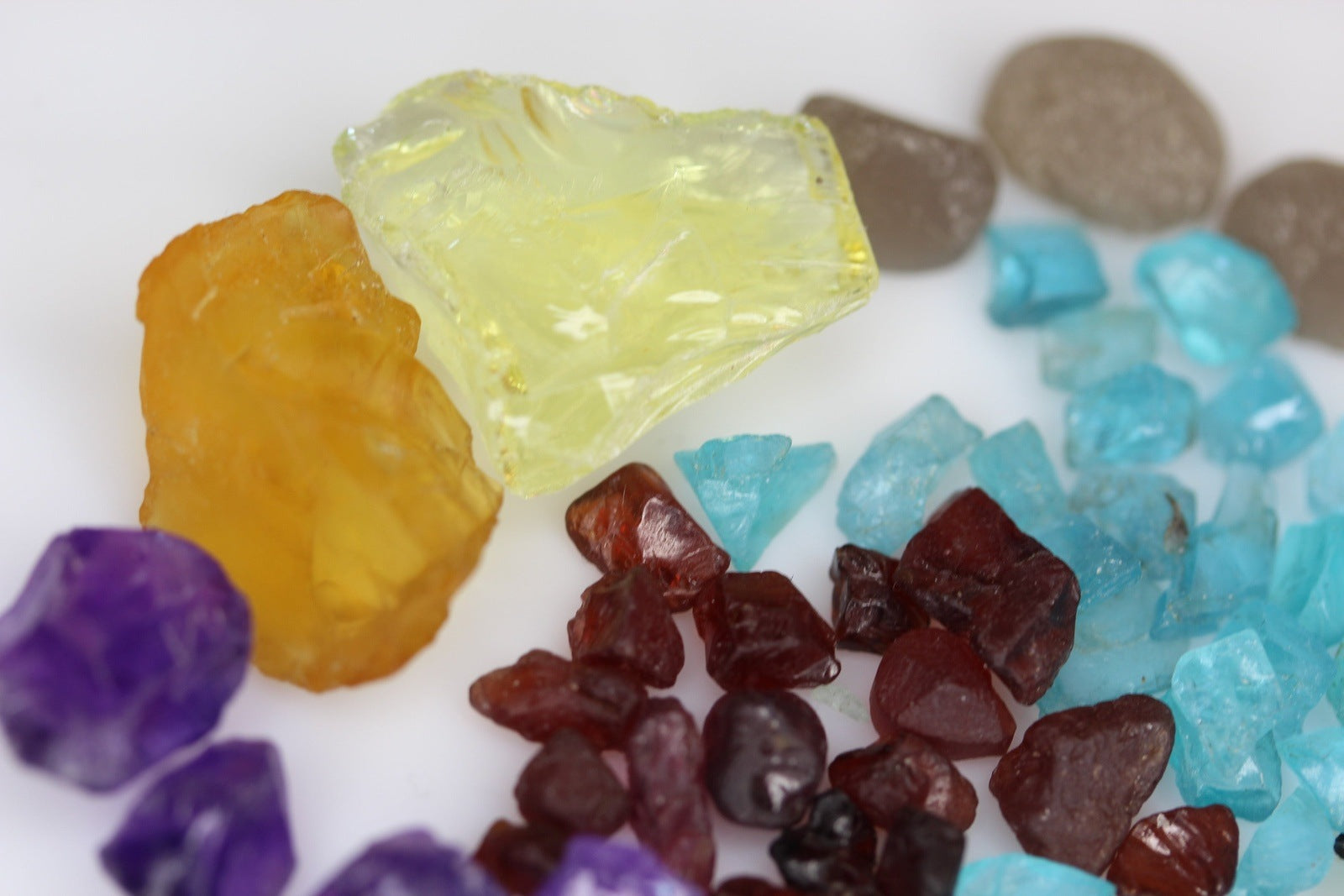
140 carats Deal of Raw Amethyst, Amber, Orthoclase, Garnet, Sunstone
-
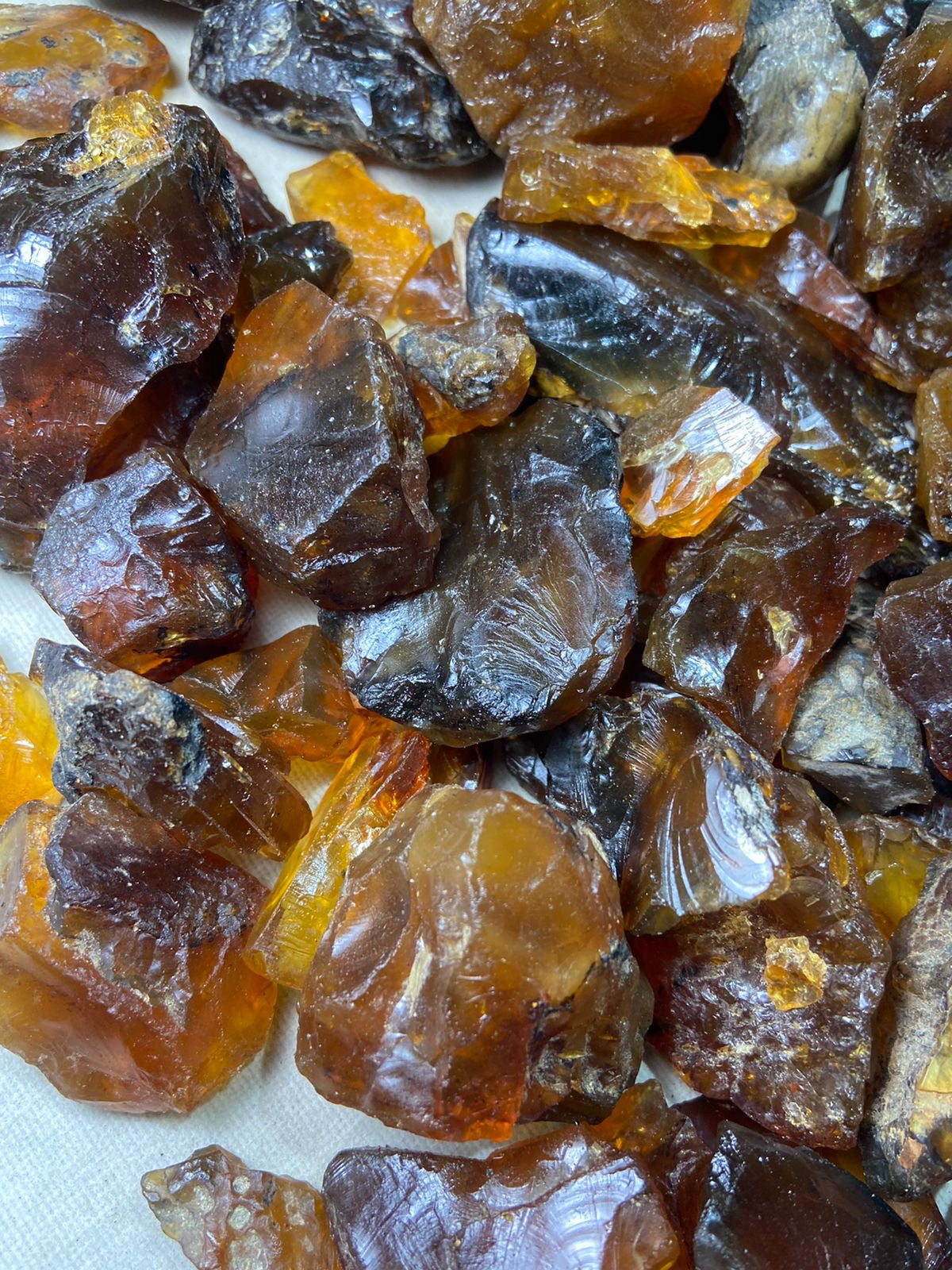
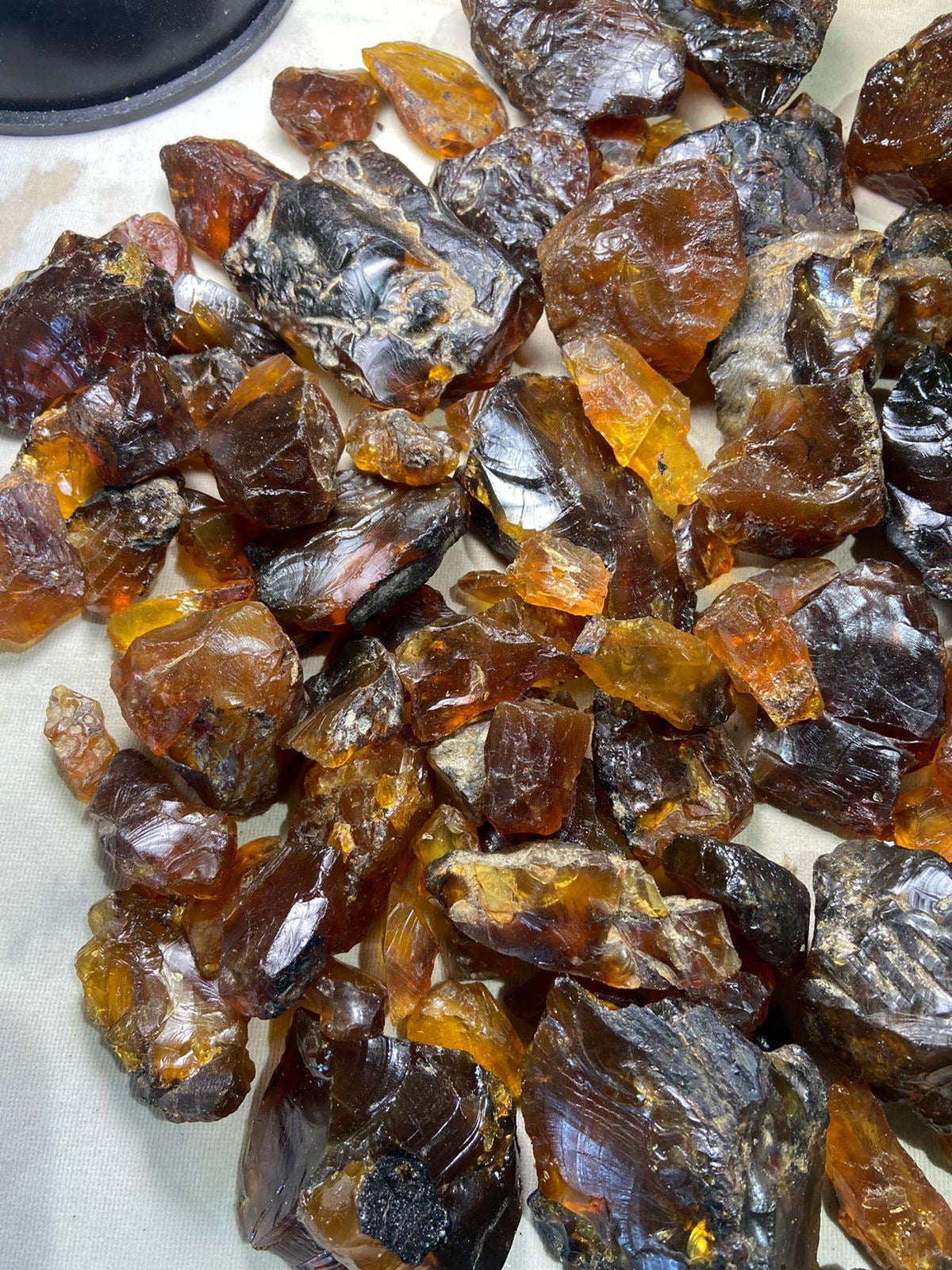
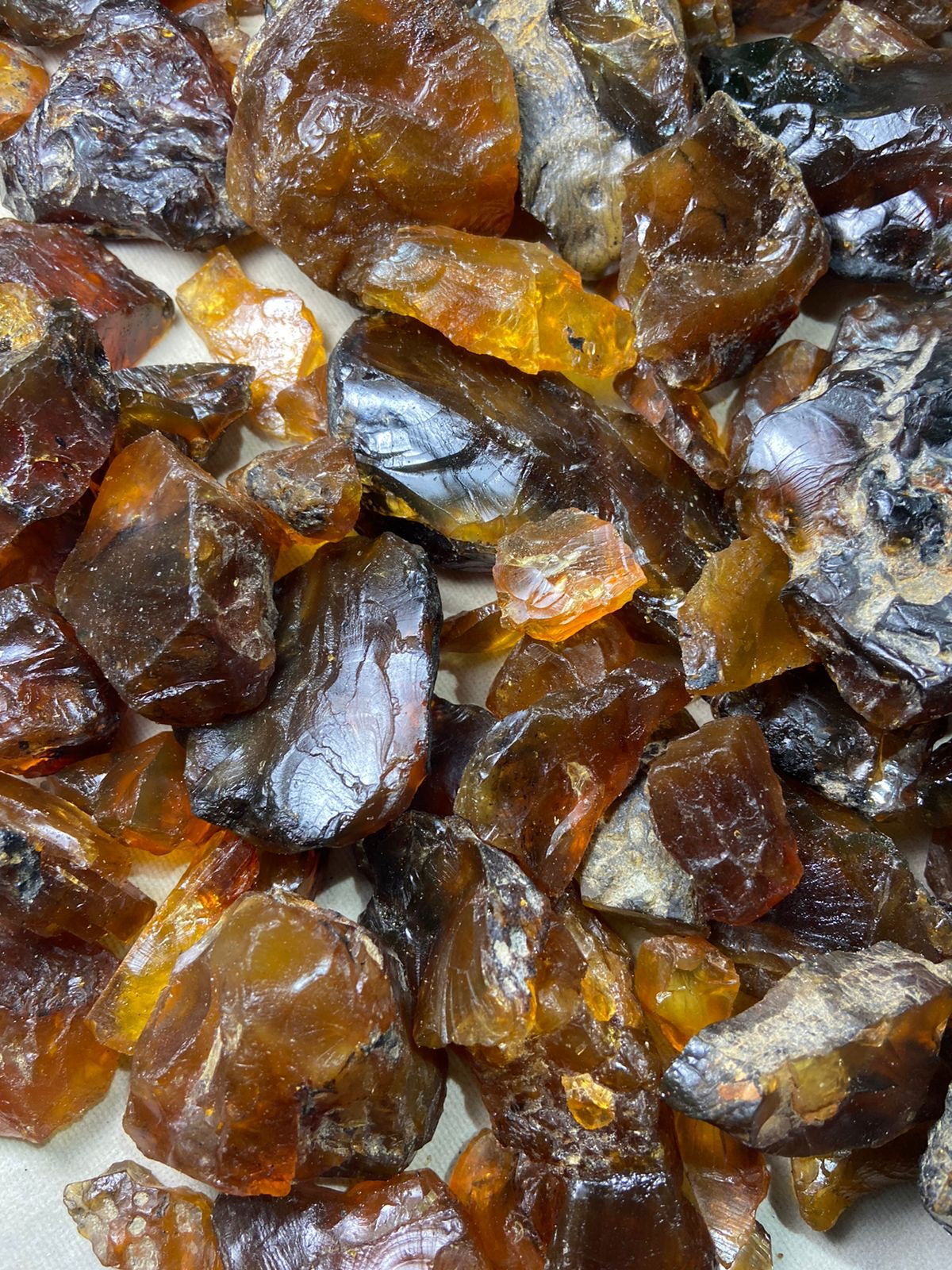
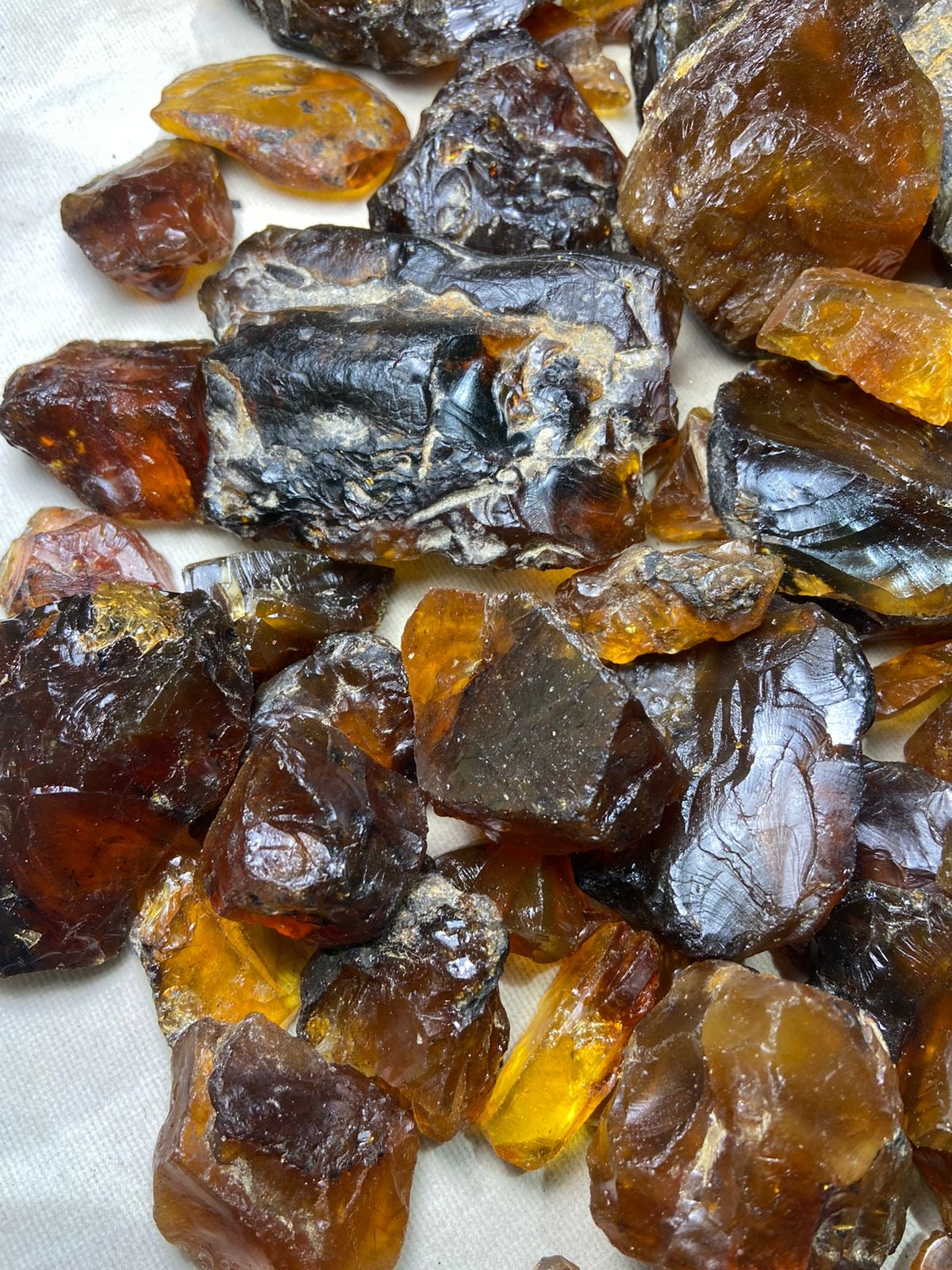
Natural Rough Burma Amber — 500g Lapidary Parcel | Untreated Burmese Amber for Cabbing, Faceting & Carving
-
-
-
 Sale
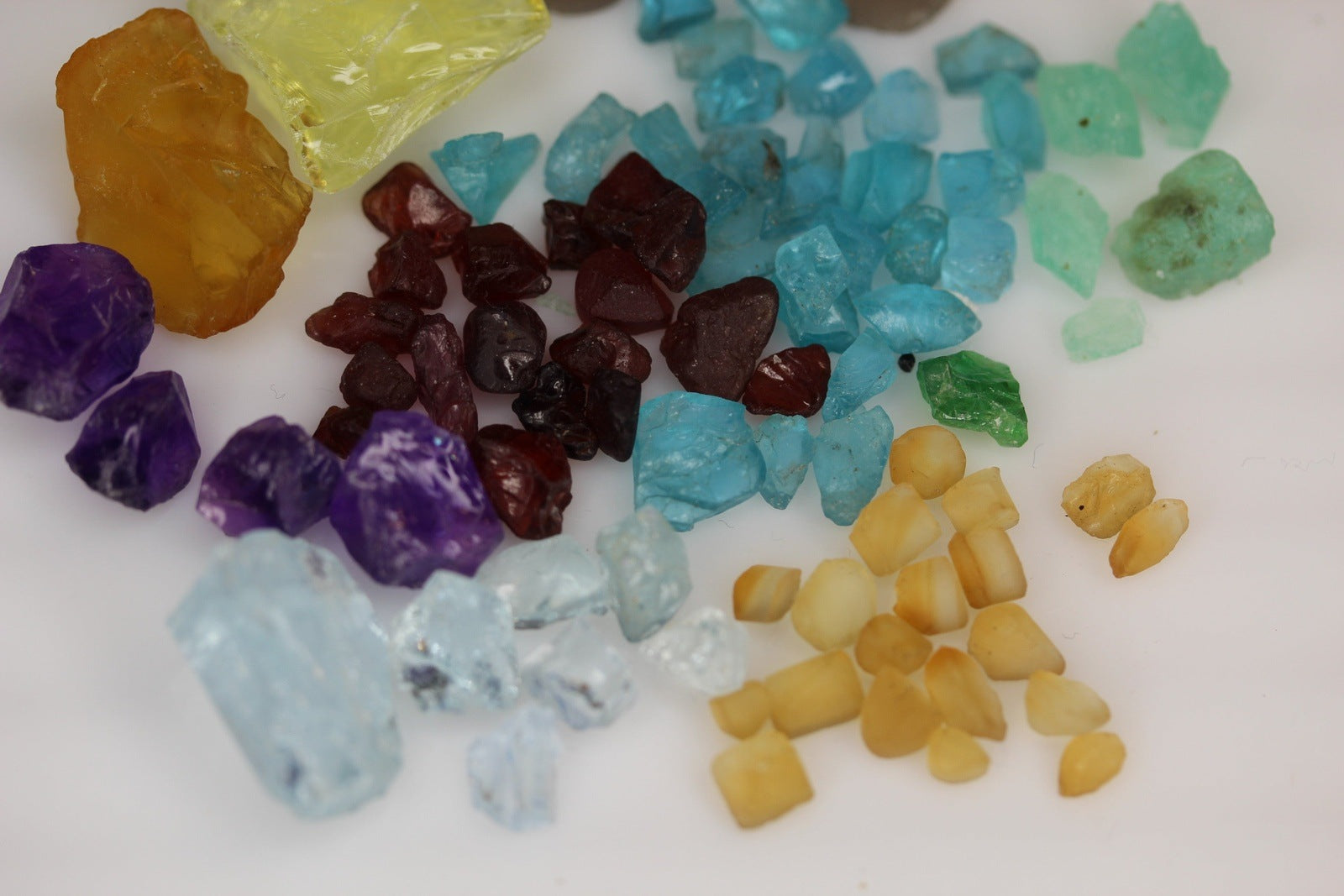
Sale160 Carats Mixed Facet Rough Gemstones Emerald, Amber, Aqua, Amethyst, Citrine, Quartz, Tsavorite, Citrine, Garnet
160 Carats Mixed Facet Rough Gemstones Emerald, Amber, Aqua, Amethyst, Citrine, Quartz, Tsavorite, Citrine, Garnet
Sale price $550.00 USD Regular price $650.00 USD -
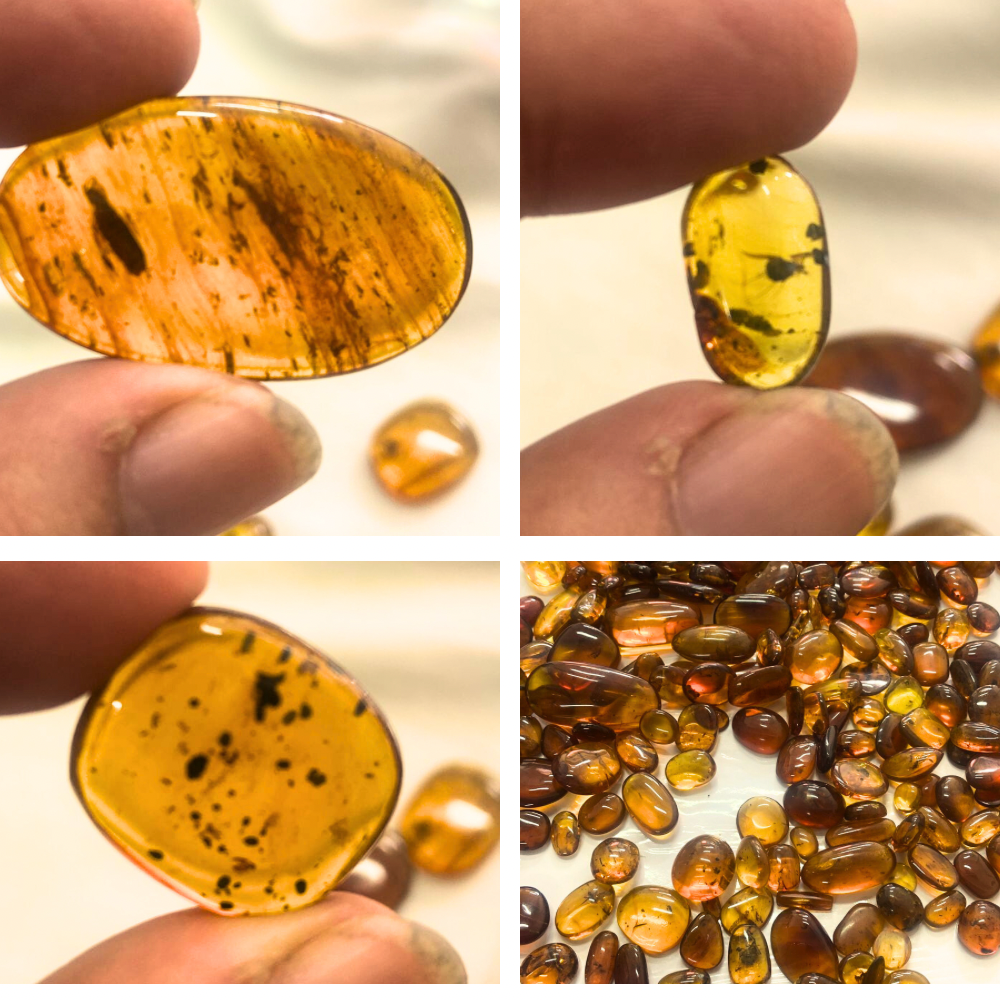
Natural Burma Amber Bermite with Insects Fossils Including dinosaur era, 99 million years old, Cretaceous,
-
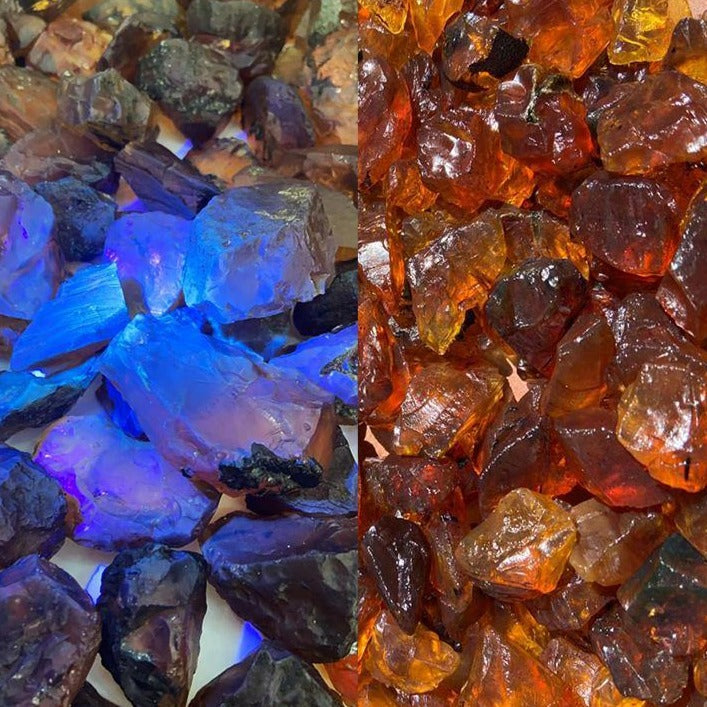
500 grams Rough Burma Amber for Lapidary | Myanmar Amber Bulk
-
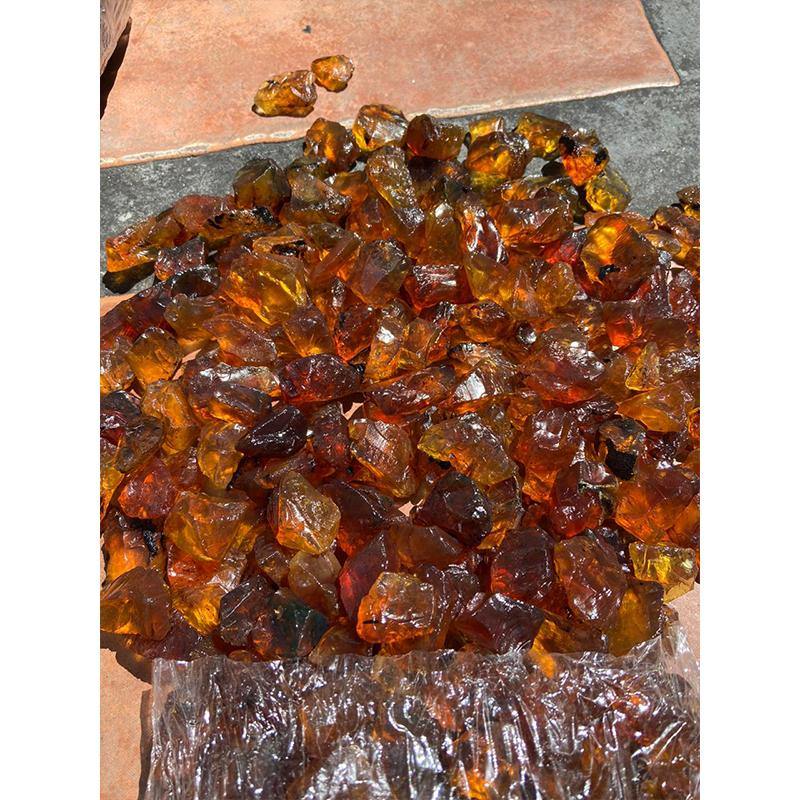
30 Killo Raw Amber Stones Wholesale Deal - Myanmar Bermite Rough
-
 Sale
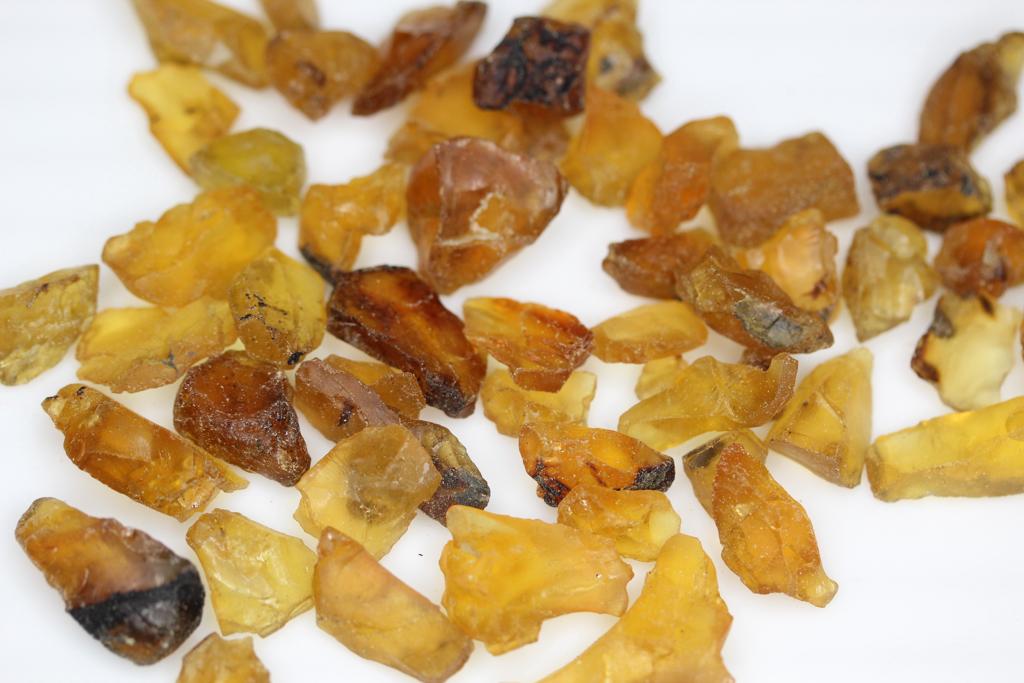
Sale17.6 grams uncut Amber Gemstones | Cabbing Rough Gemstones
17.6 grams uncut Amber Gemstones | Cabbing Rough Gemstones
Sale price $150.00 USD Regular price $250.00 USD -
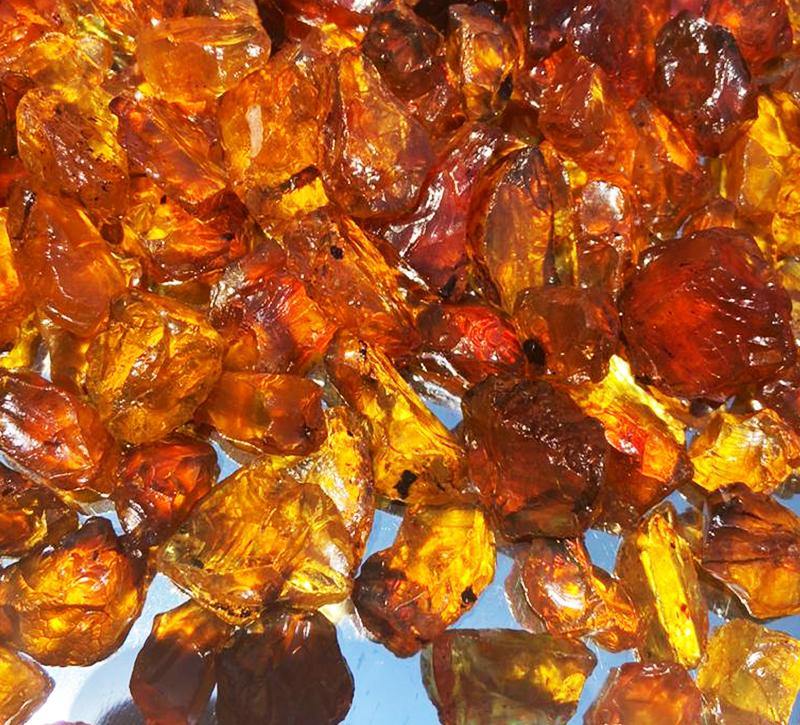
Burma Raw Amber Bermite One Killo Parcel Deal - For Faceting / Cabbing
-
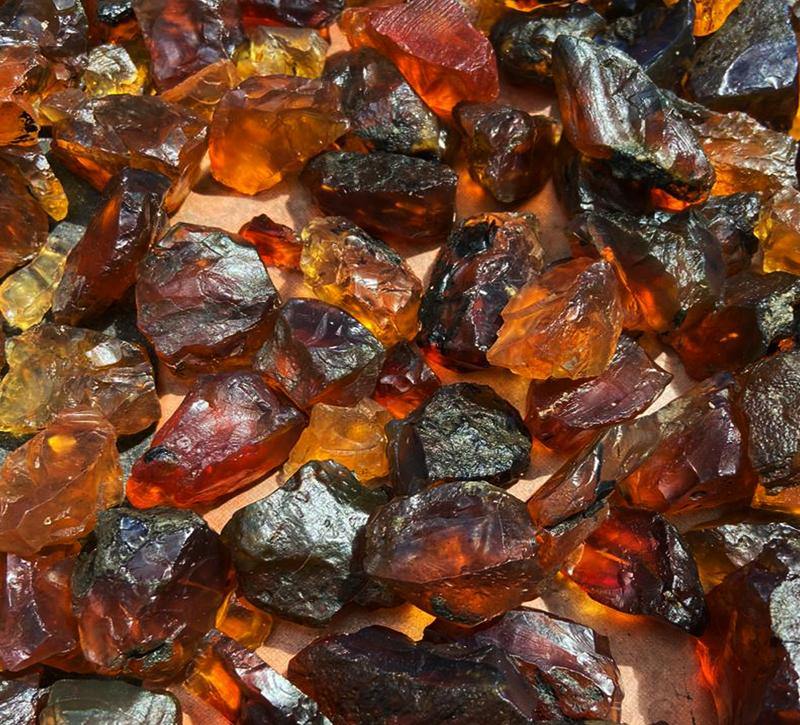
1 kilo Burma Raw Amber for faceting, Cabbing, Beading | MyanmarAmber Rough
-
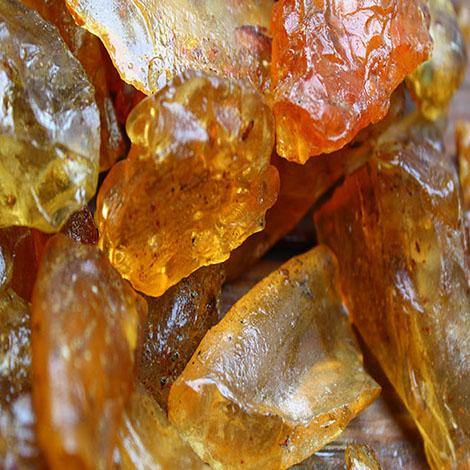
1 Killo Natura Copal Stones / Copal (Amber Variety)


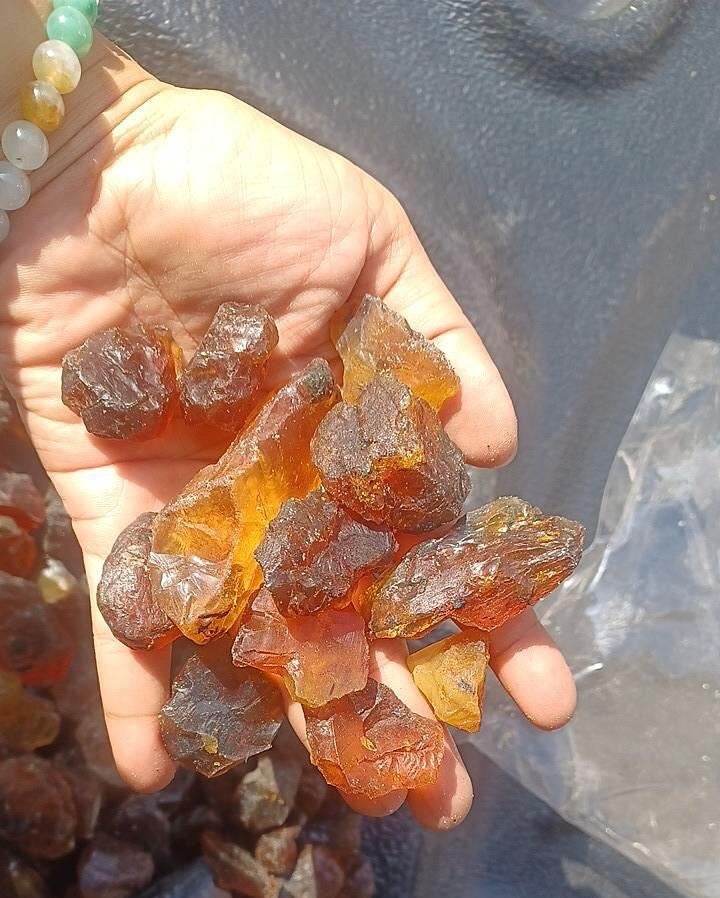
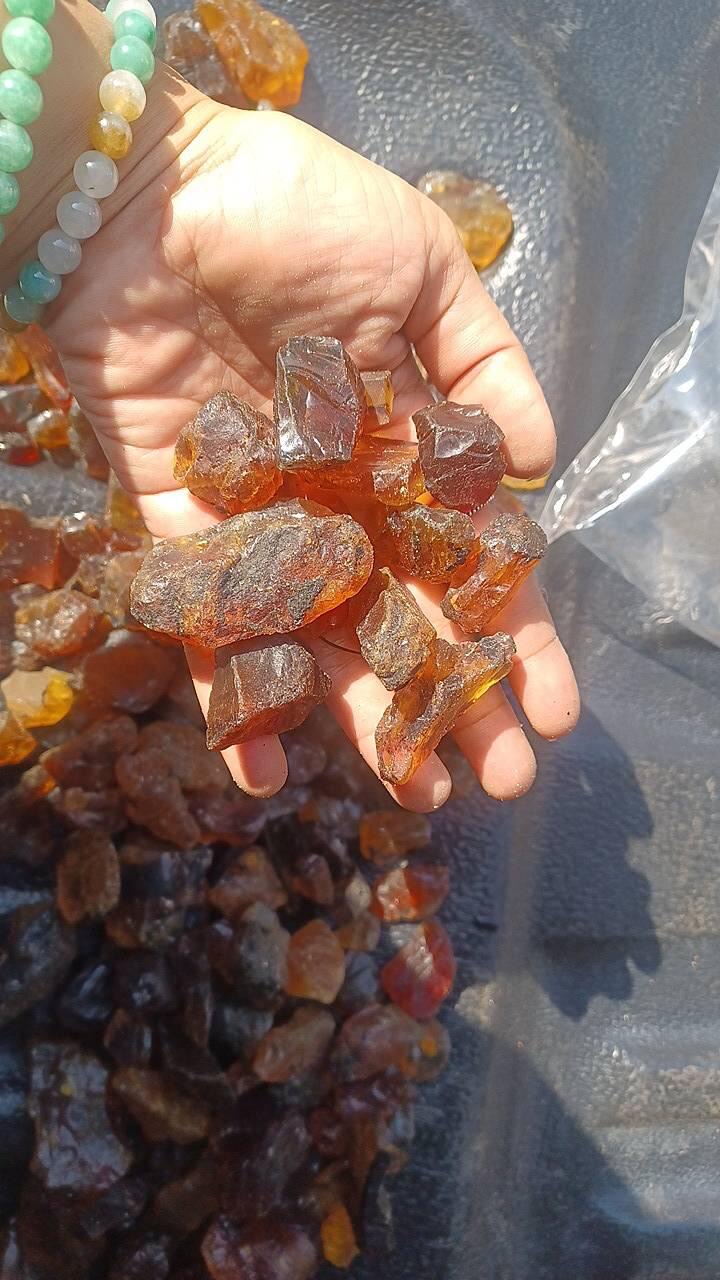
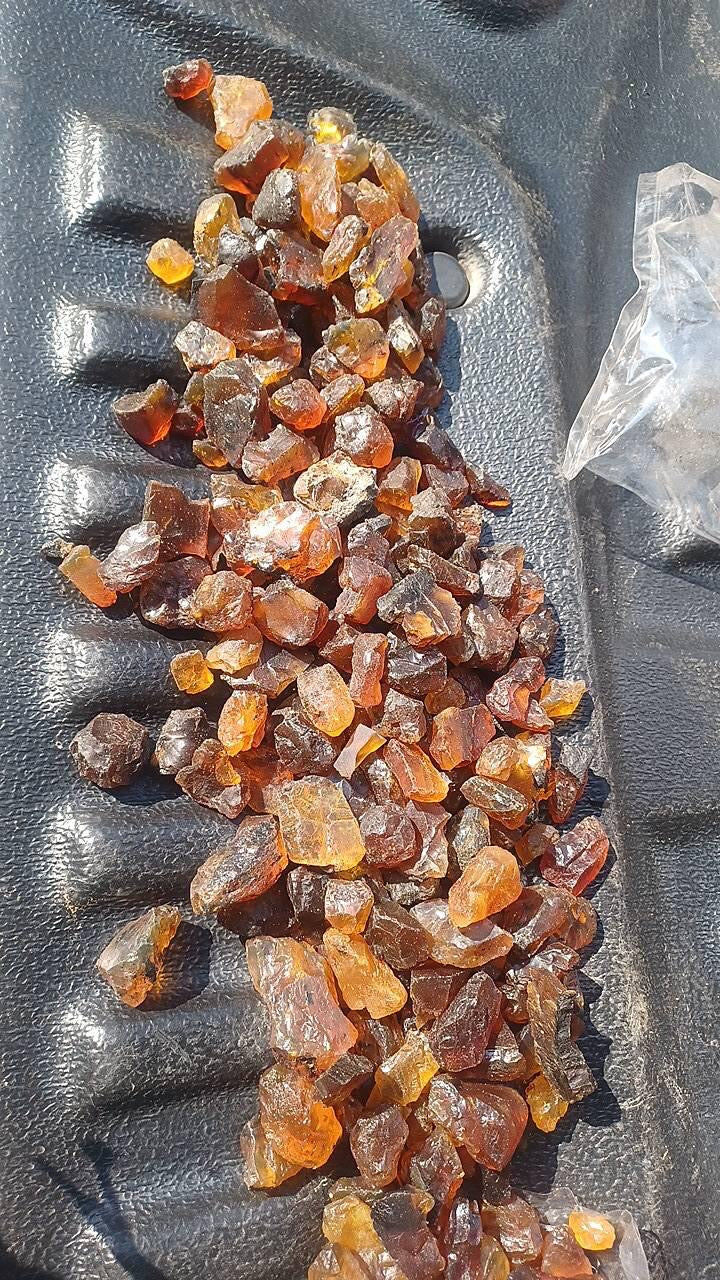
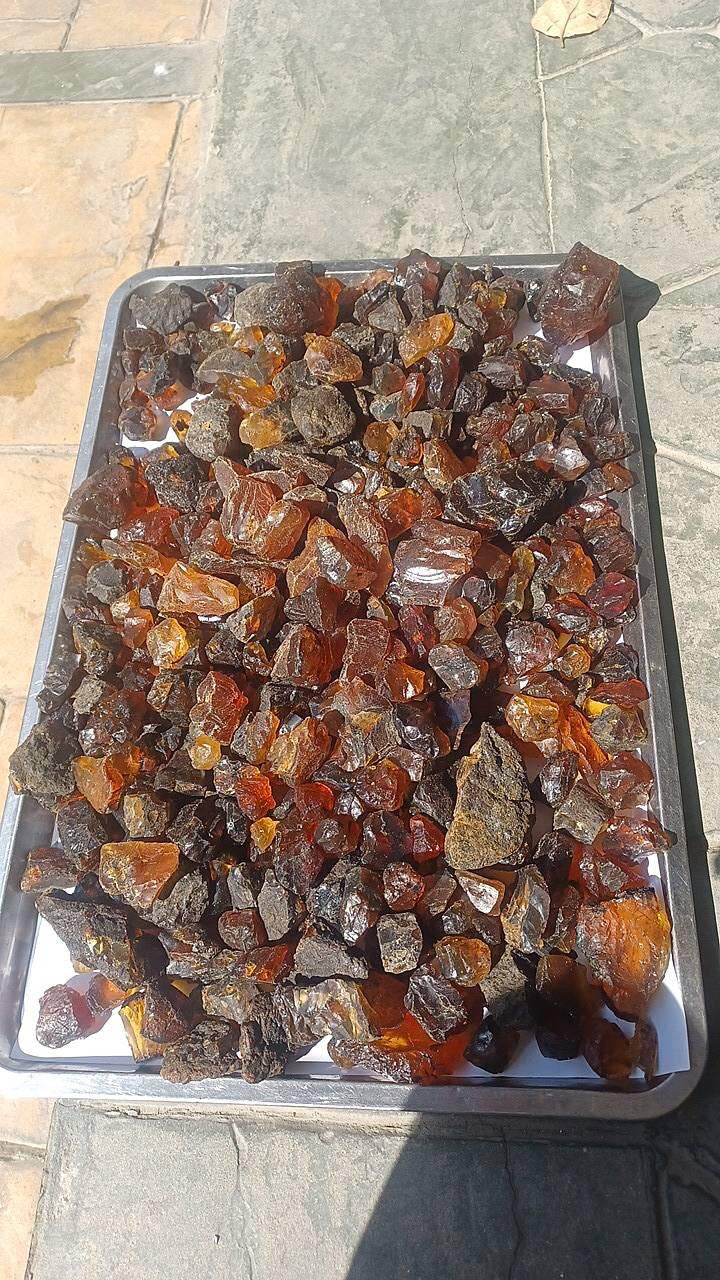
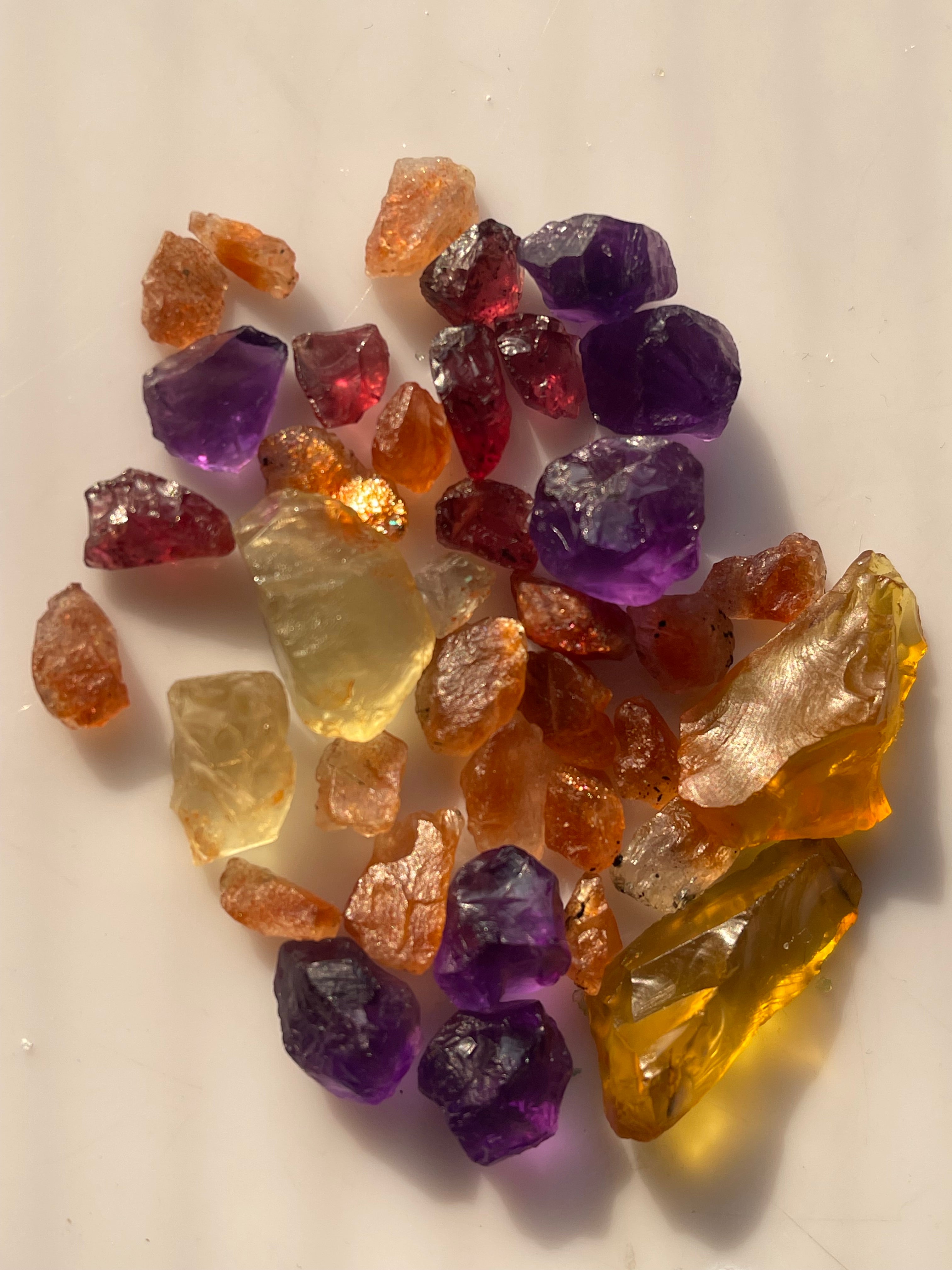
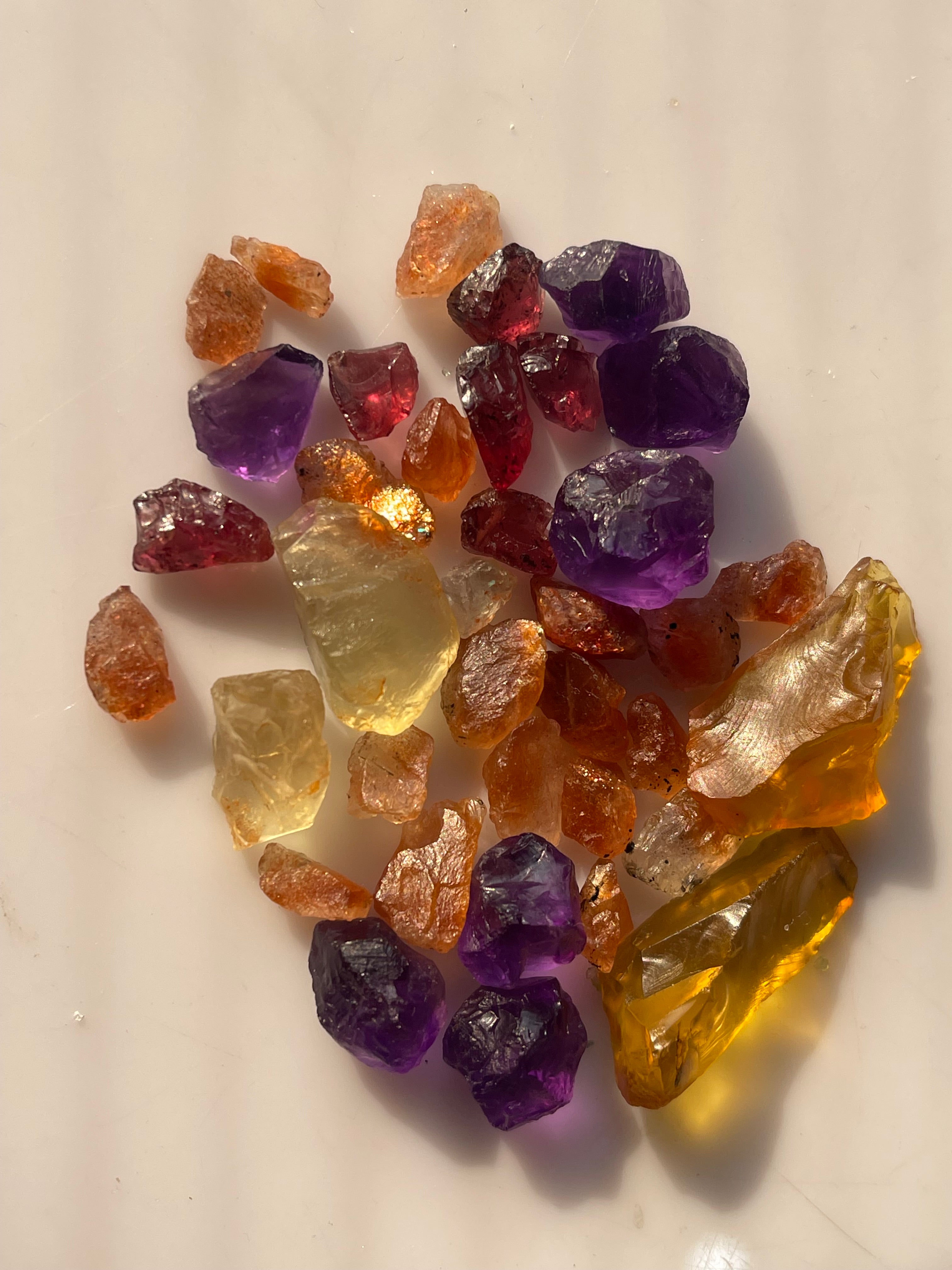
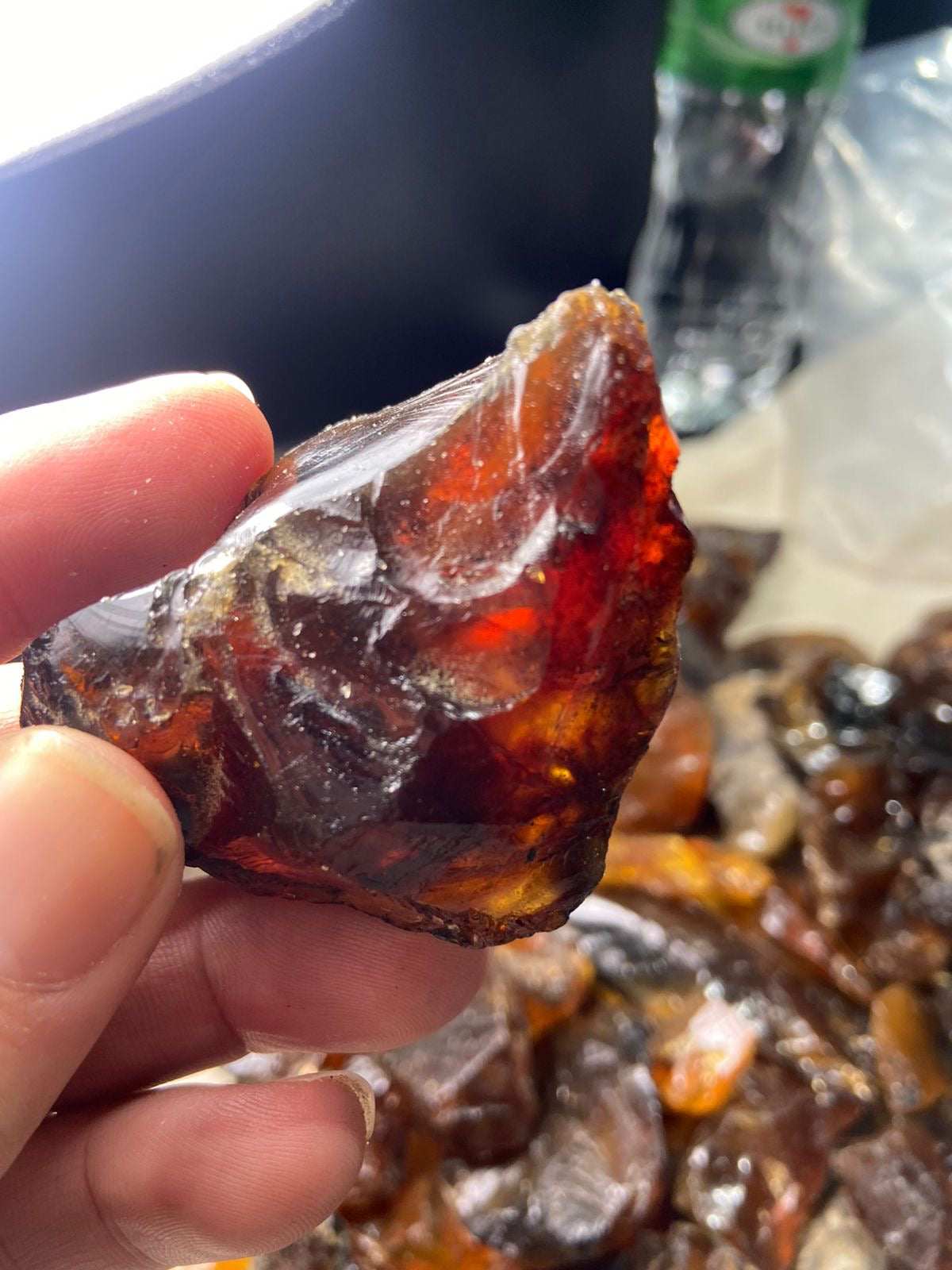
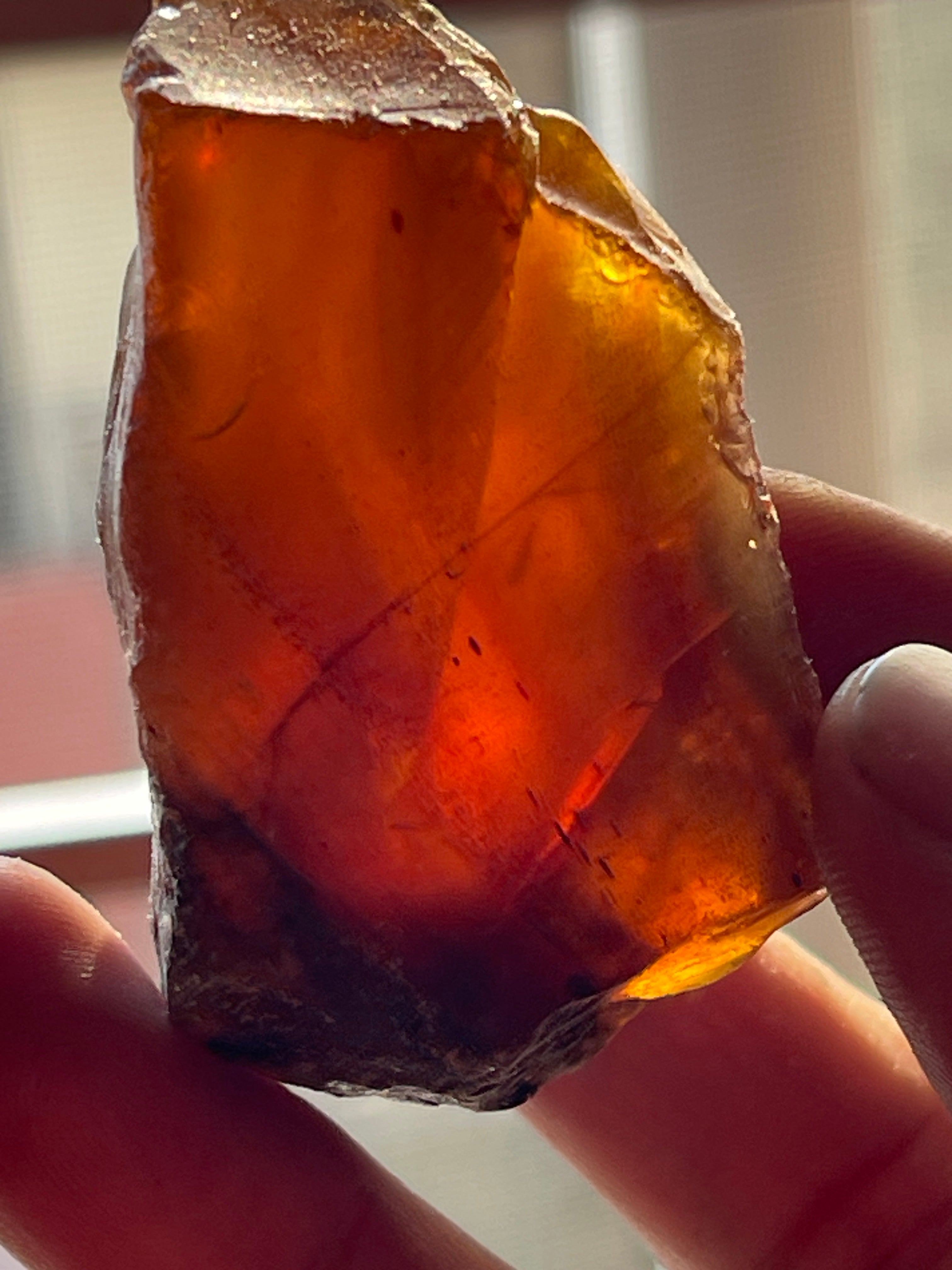


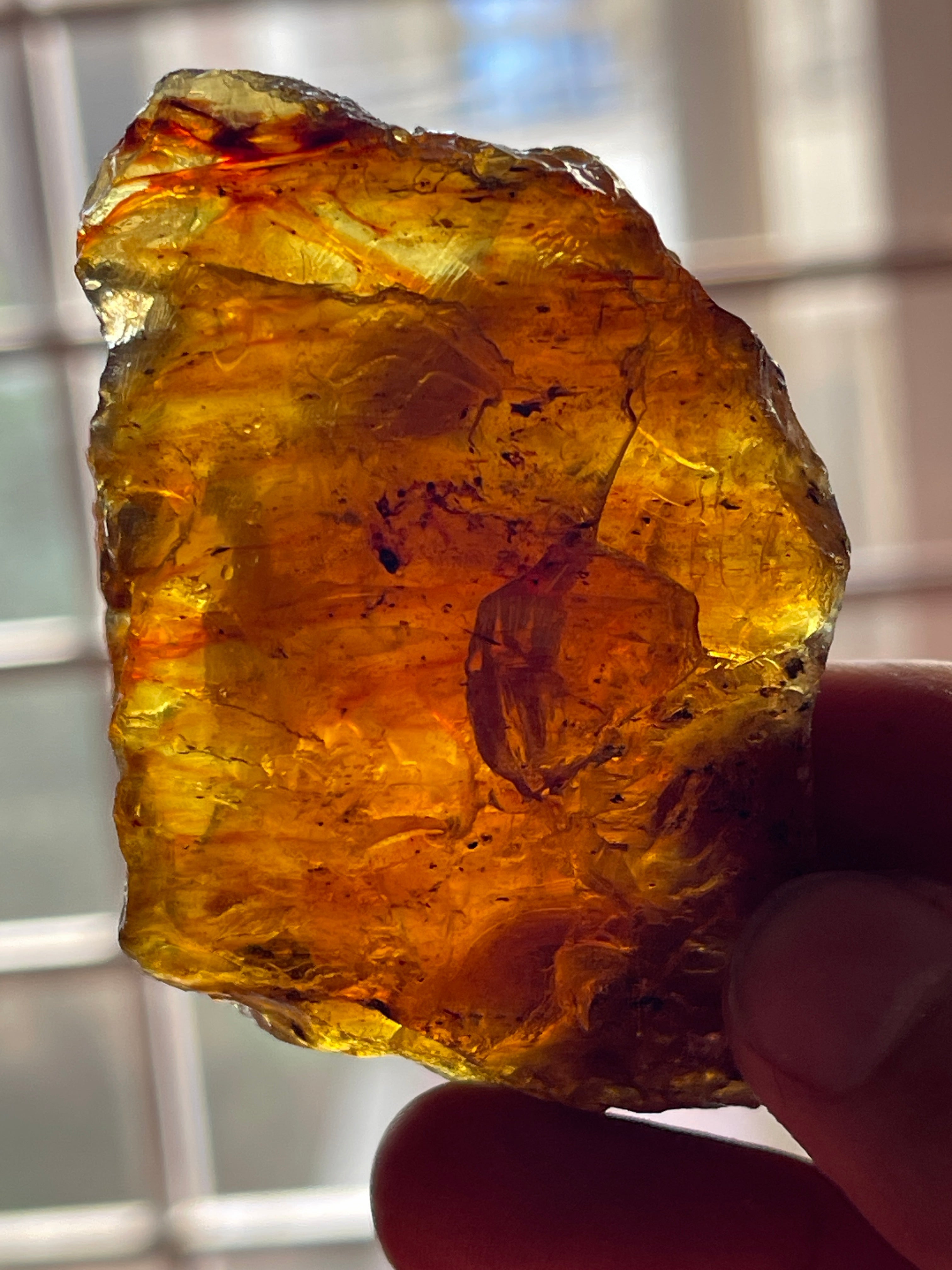
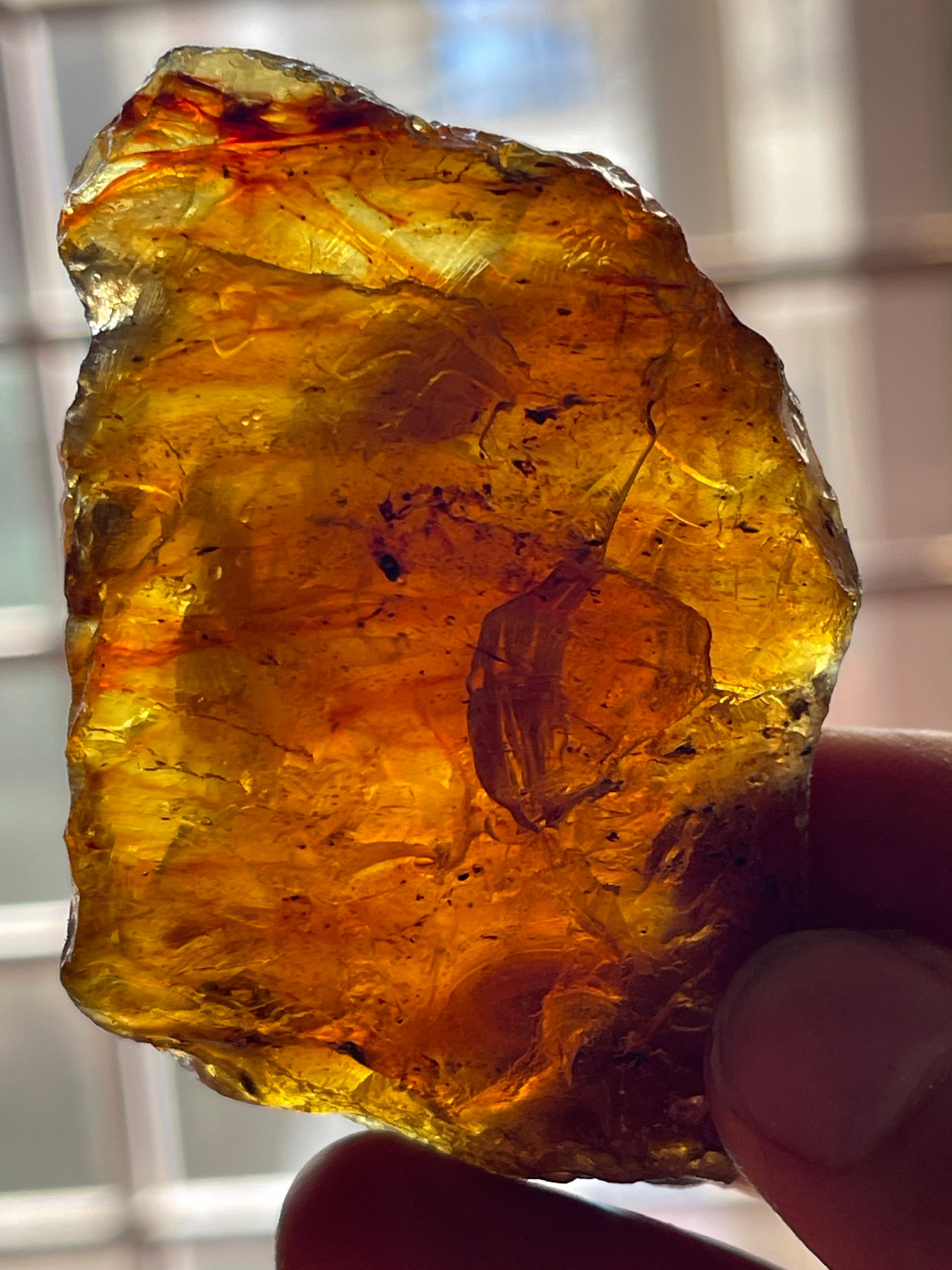
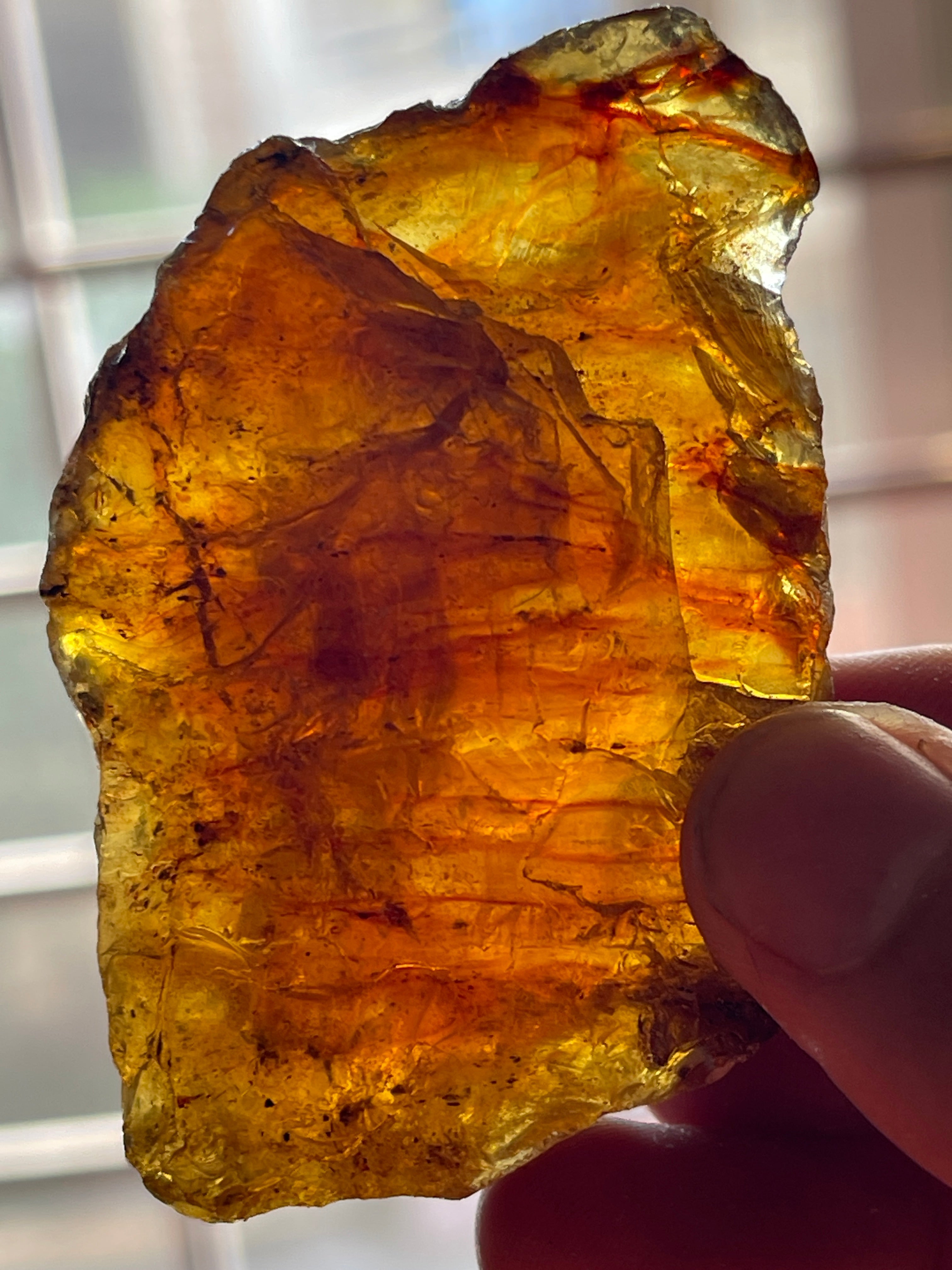
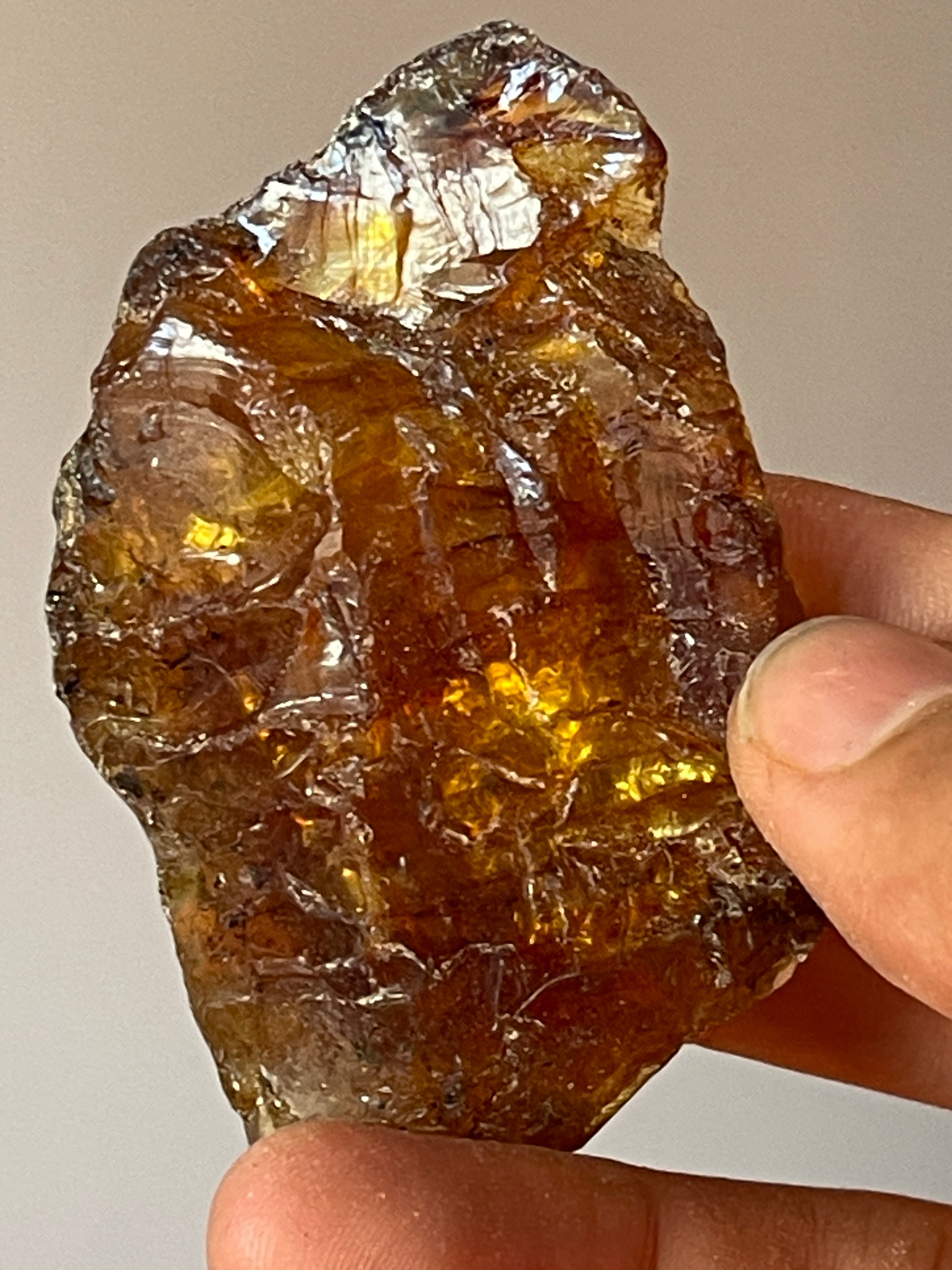
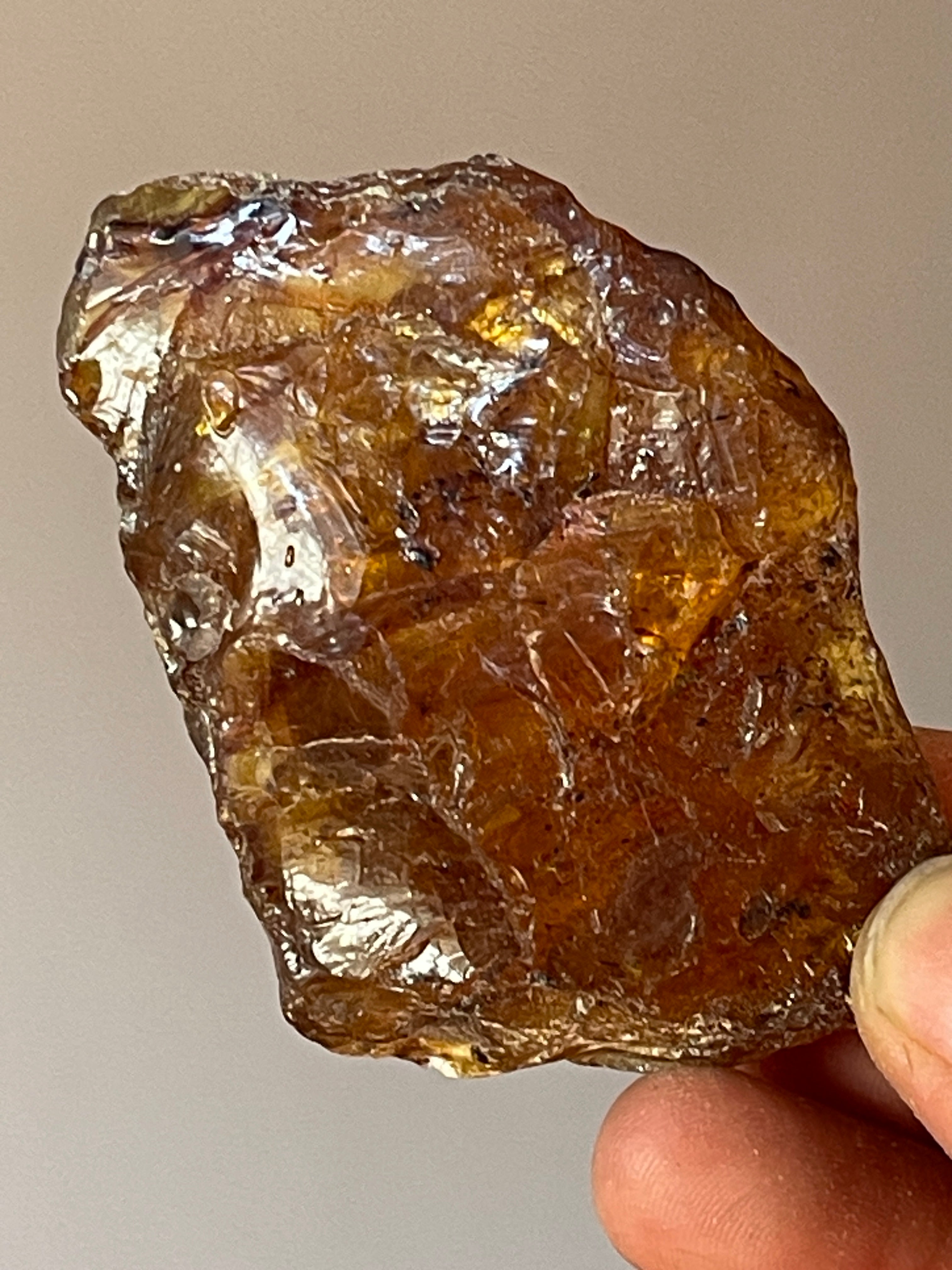
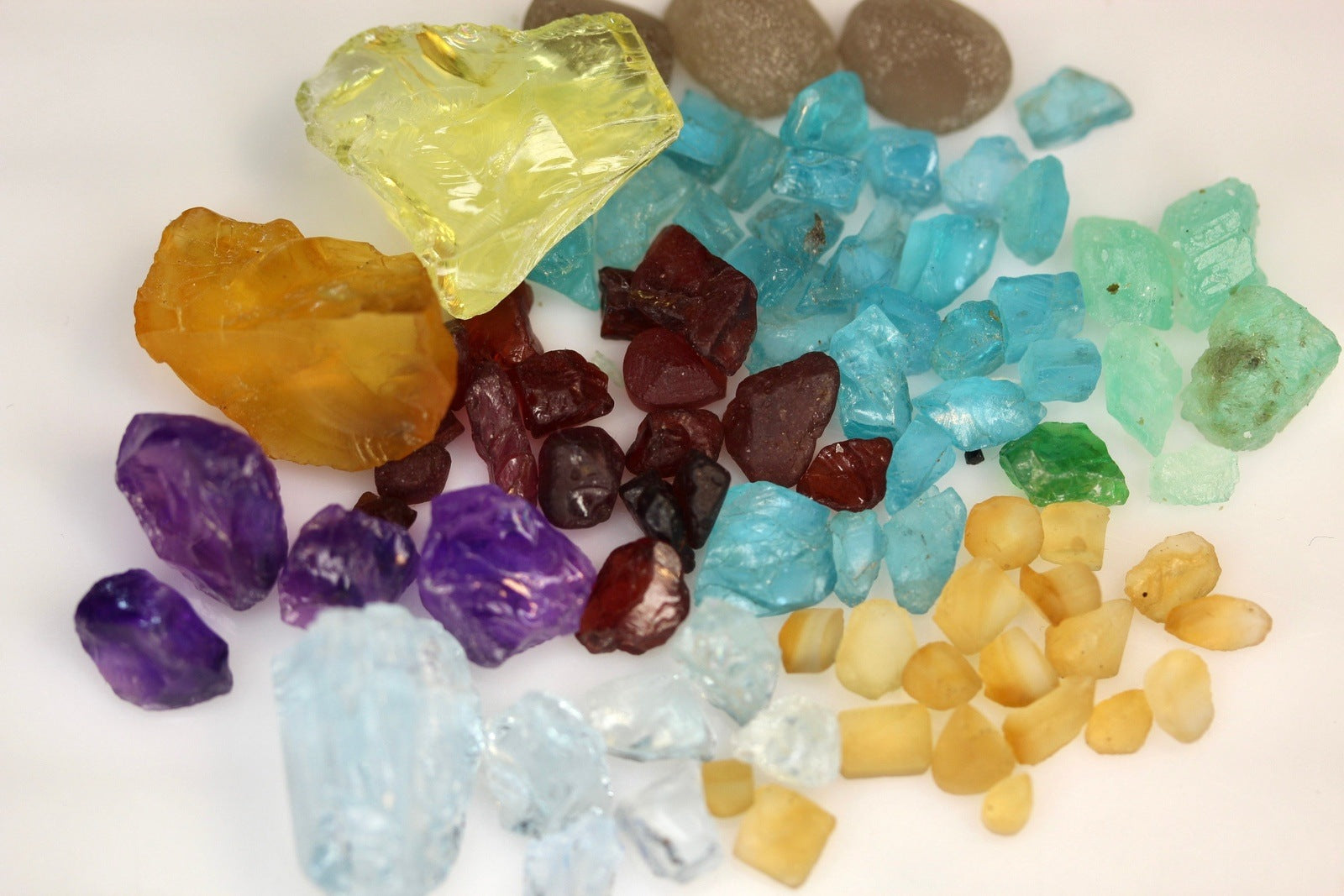
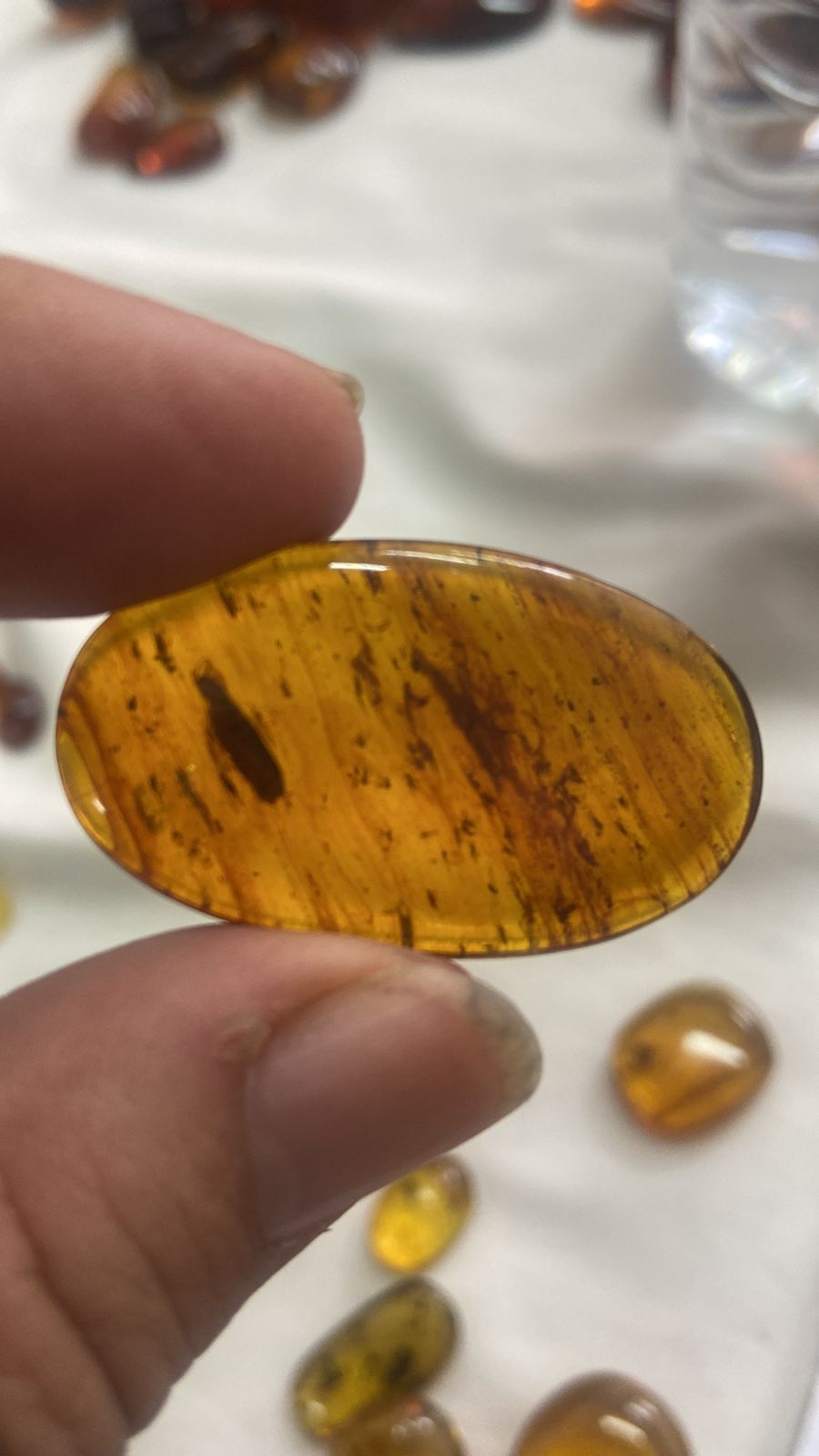
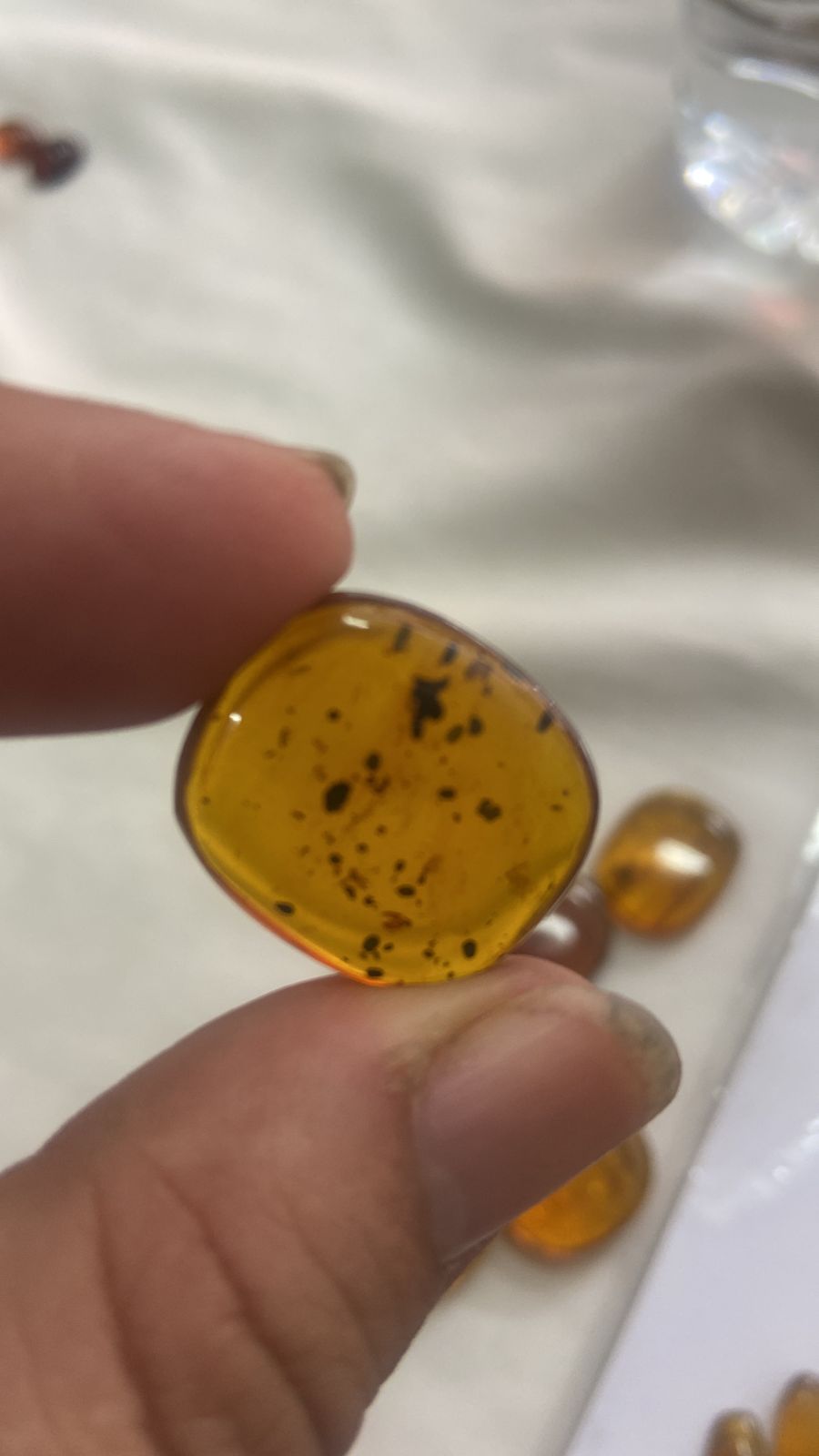
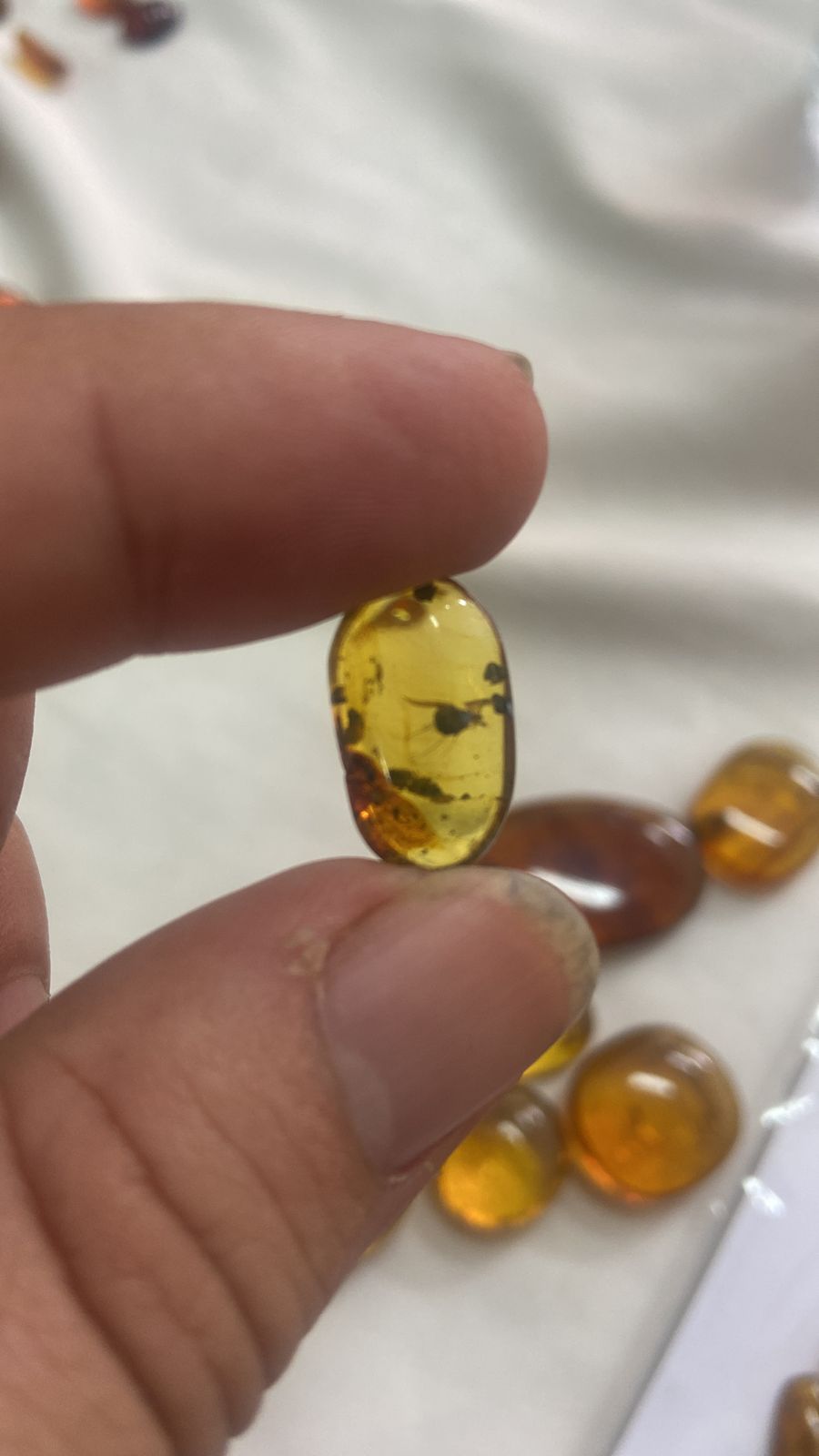
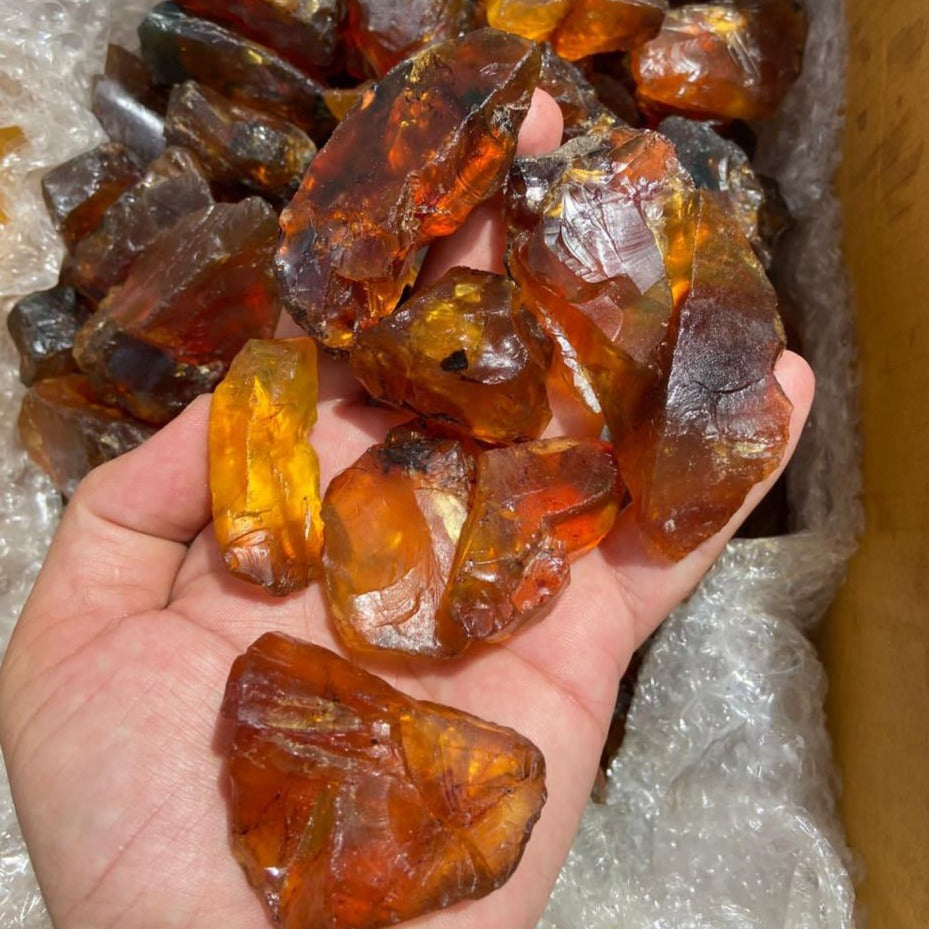
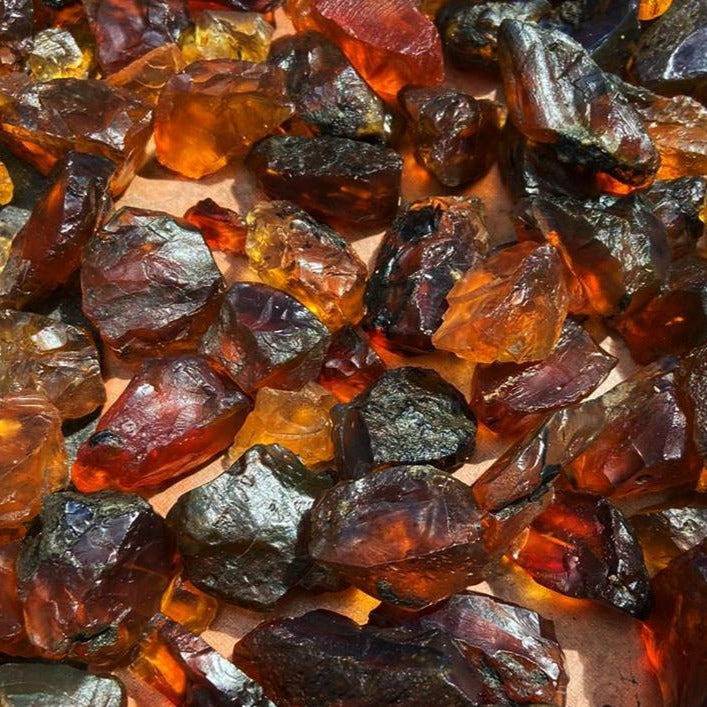
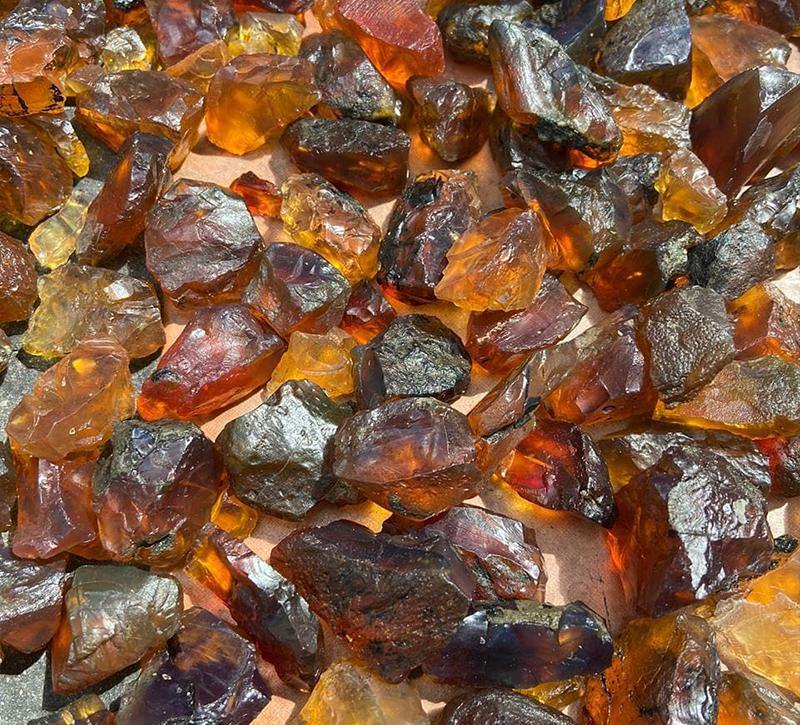
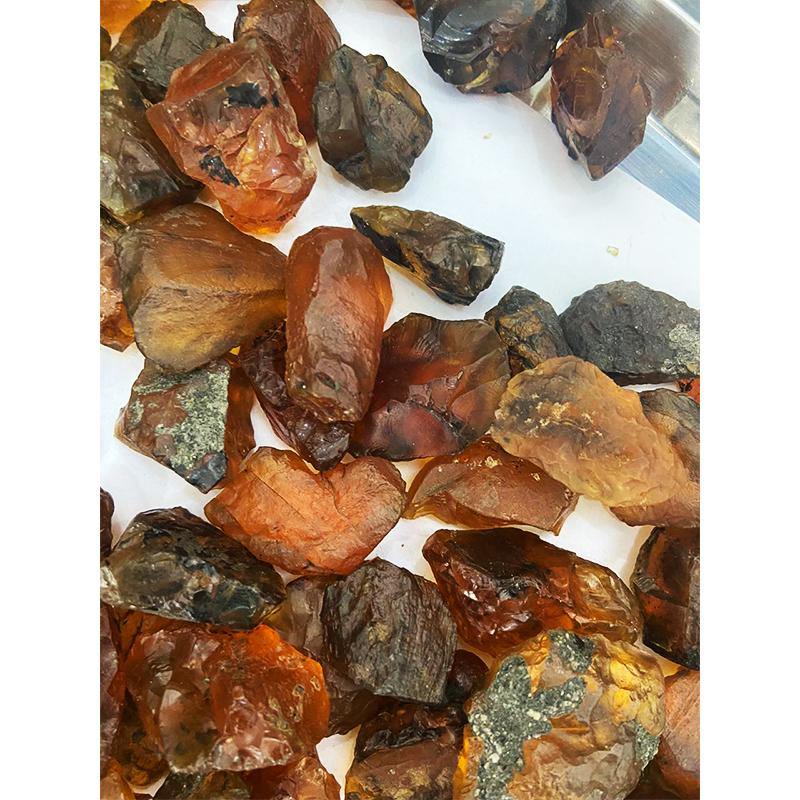
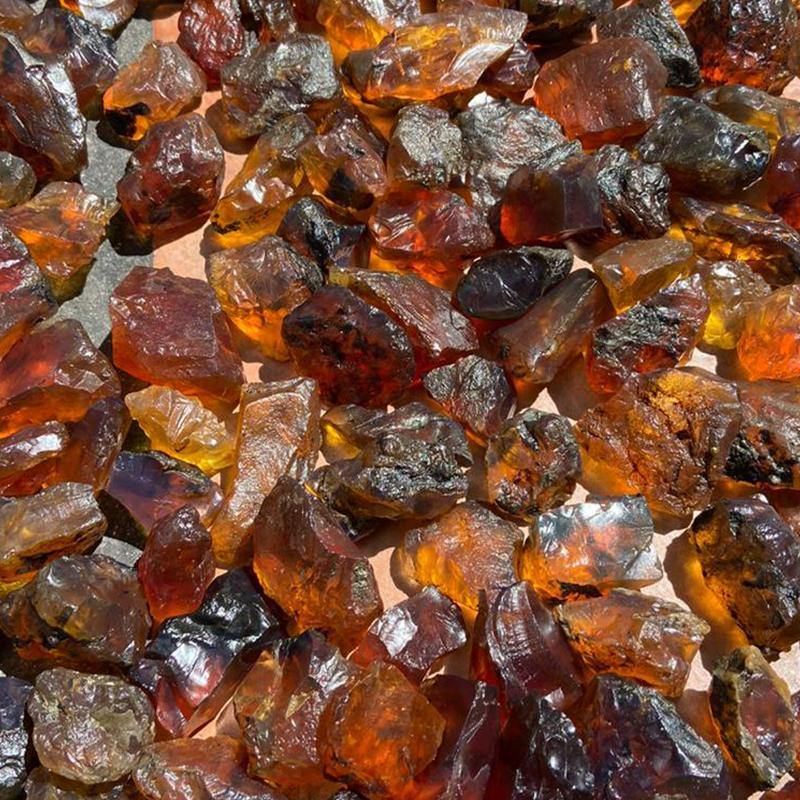
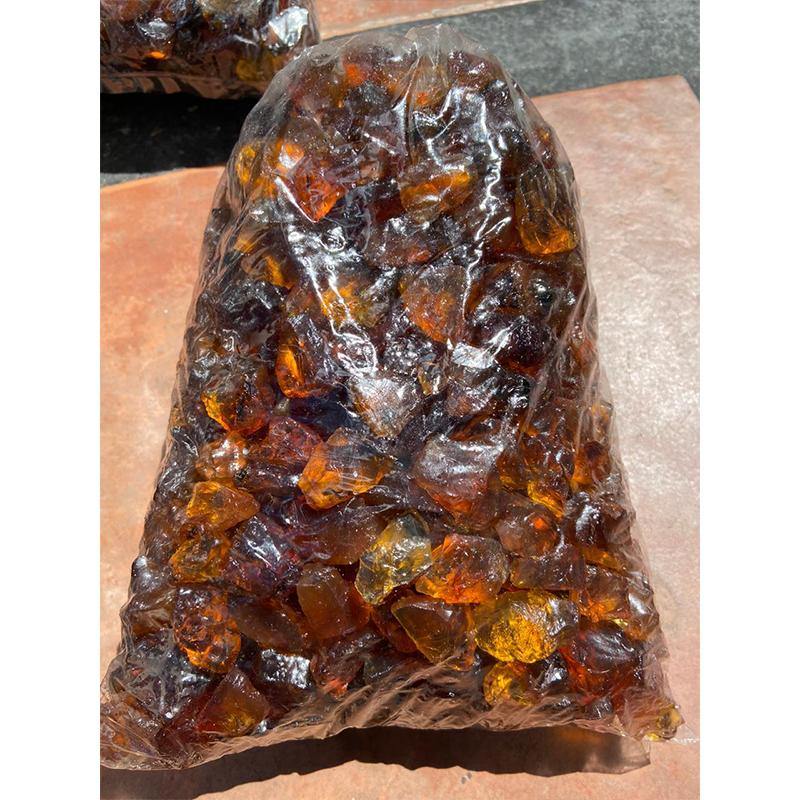
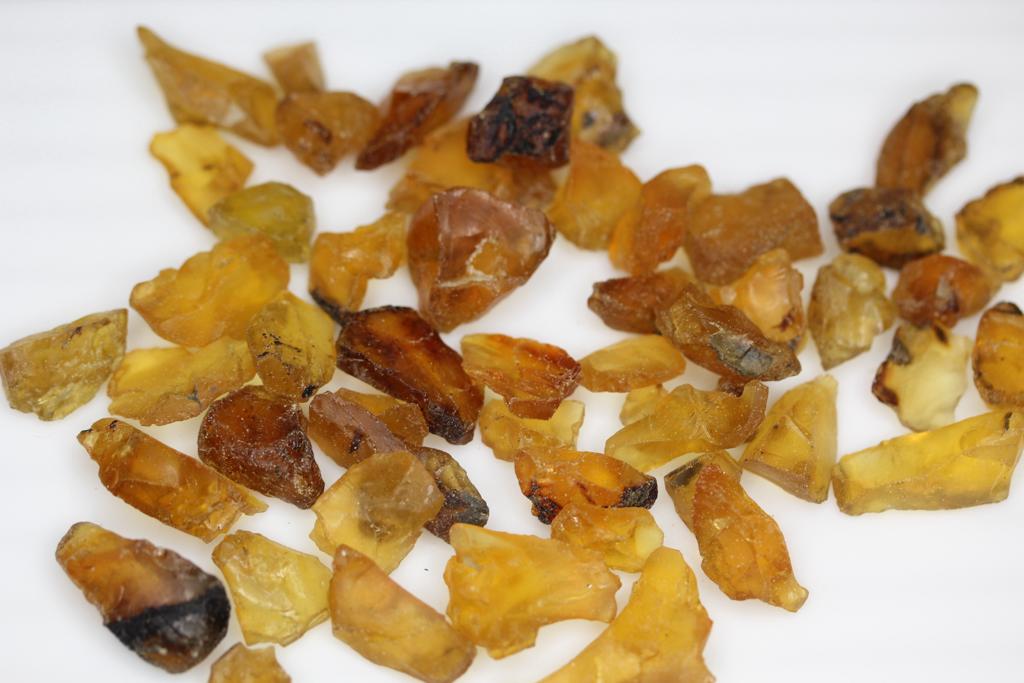
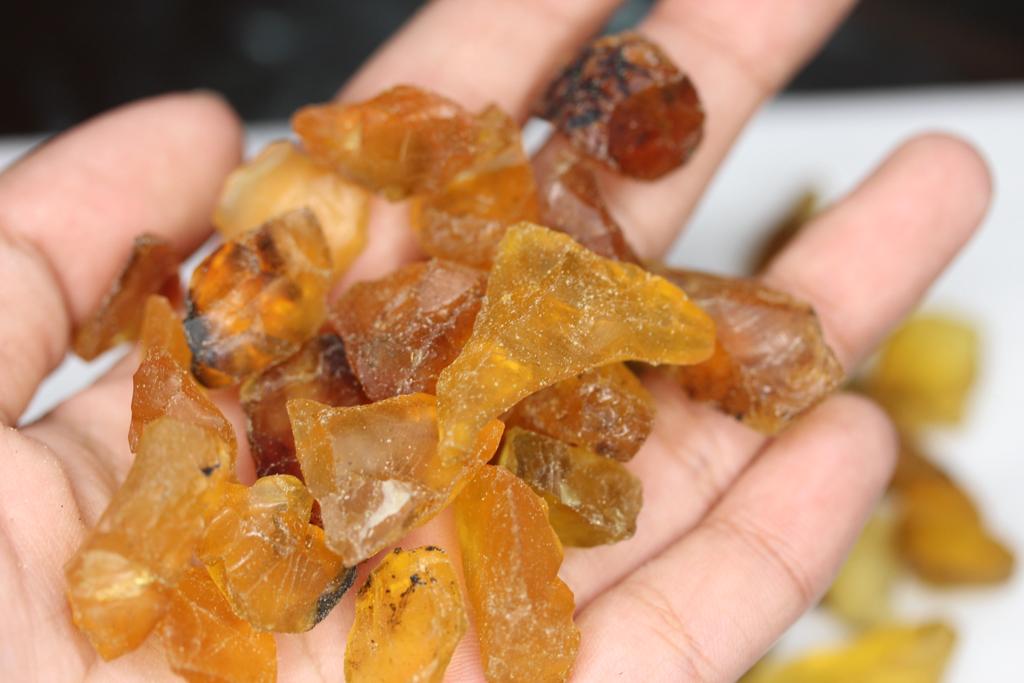
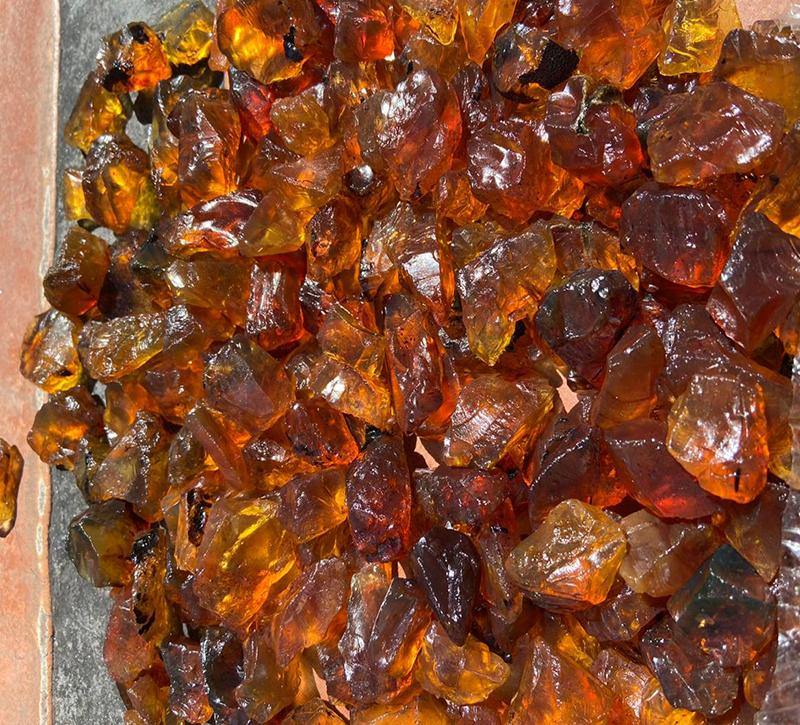
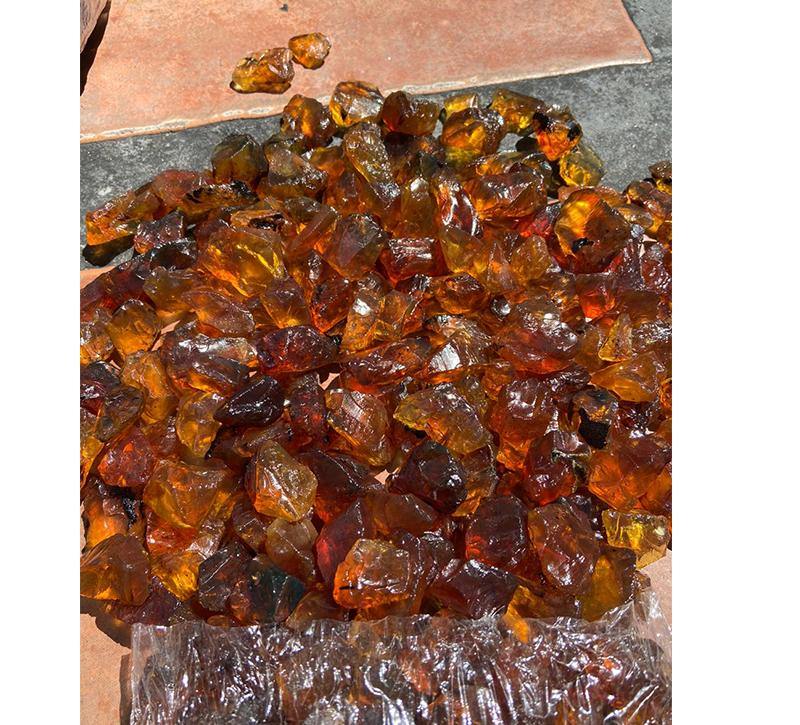
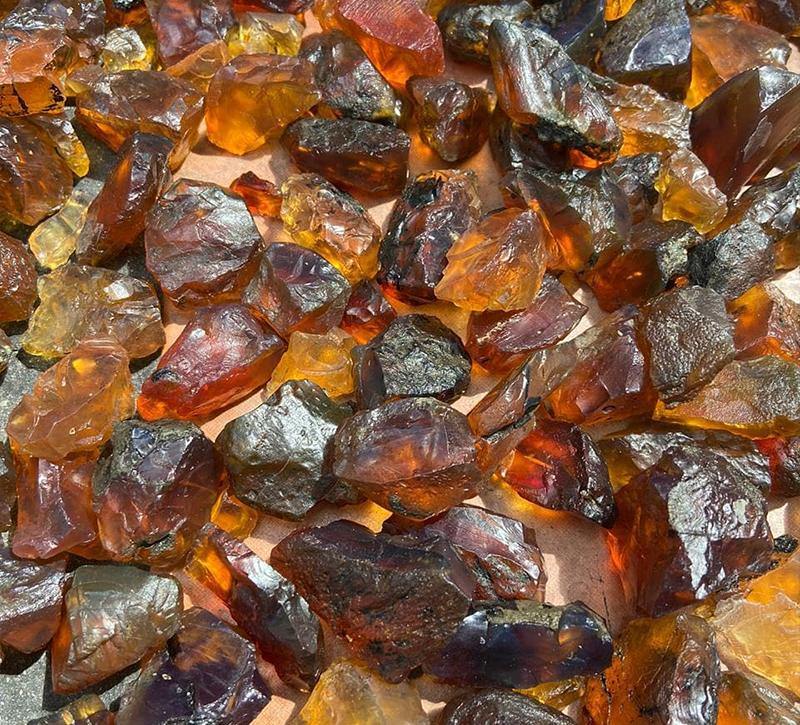
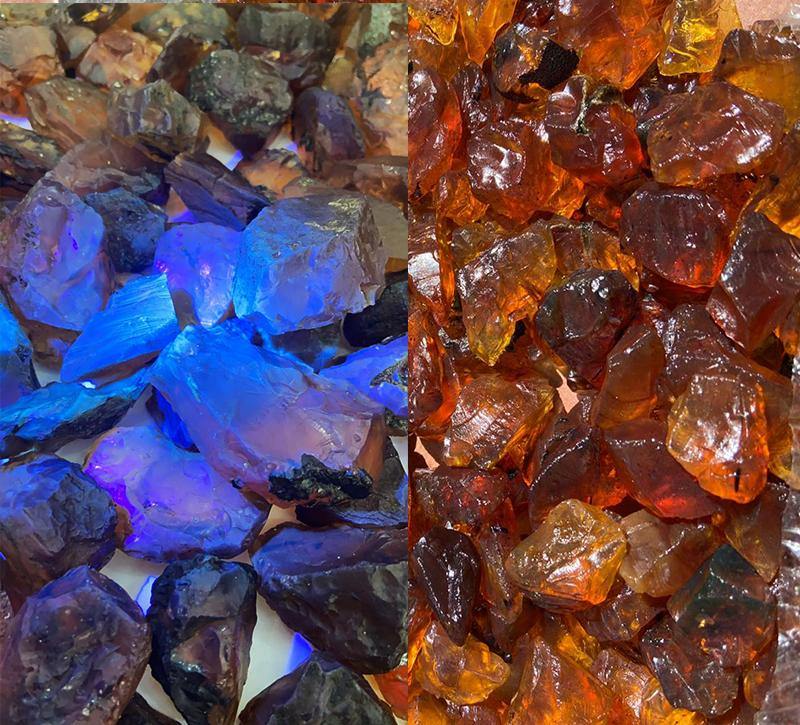
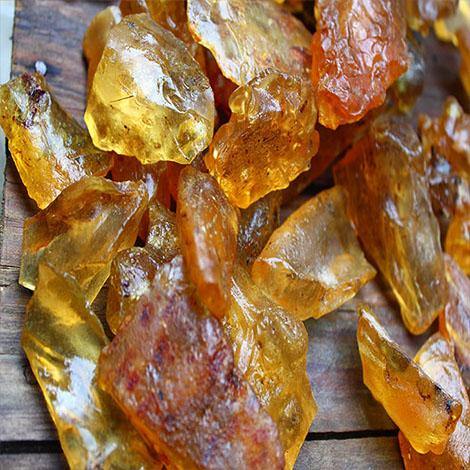
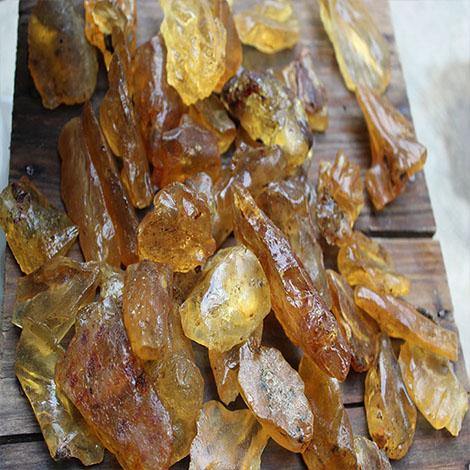
What Is Amber? Is Amber a Stone?
Amber is not a mineral gemstone. It is fossilized tree resin formed over millions of years, valued for its beauty, inclusions, and historical significance.
Technically, amber is not a stone like other gemstones and minerals. Amber is basically fossilized resin from ancient conifer trees. The main function of resin is to protect trees from insects and fungi. This sticky substance can trap insects and organic matter, which later become preserved inside.
Over millions of years, as oxygen escapes and pressure increases, the resin hardens through a natural fossilization process. Semi-fossilized resin is known as copal, while fully fossilized material is called amber. These amber pieces often contain oils and inclusions, giving each specimen a unique appearance.
Amber is famous for its natural beauty and is commonly used in jewelry such as amber stone necklaces, amber rings, and ornamental objects. Because of its fossilized origin, amber has a charm that no other gemstone can replicate.
Amber Chemical Composition and Origin
Amber is an organic compound composed mainly of fossilized plant resin. Its approximate chemical formula is C10H16O. Amber contains about 78% carbon, 10% hydrogen, and 11% oxygen, with sulphur impurities occasionally present.
Historically, amber was produced by ancient conifer forests, particularly in Scandinavia during the Eocene era. Rising sea levels and glacial movement transported amber into the Baltic Sea and surrounding regions, making Baltic amber one of the most well-known varieties today.
At FolkmarketGems, we offer a wide range of amber stones sourced from different regions across the world. Each amber stone represents a preserved fragment of ancient forest ecosystems. Our collection includes amber in various colors, sizes, and forms for collectors, jewelers, and raw stone buyers.
Types of Amber Stones Available
There are multiple types of amber based on origin, composition, and age. The most common is Baltic amber (succinite), while Burmese amber (Bermite) is among the oldest.
Succinite, commonly known as Baltic amber, is produced by the conifer Pinus vinifera. Other conifer species also produced amber in smaller quantities. Amber types vary in hardness and succinic acid content, which affects durability and carving suitability.
Amber appears in a wide range of colors and transparency levels, from clear to cloudy.
- Butterscotch Amber
- Lemon Amber
- Cognac Amber
- Honey Amber
- Green Amber
- Blue Amber
- Cherry Amber
- White Amber
At FolkmarketGems, we provide both listed items and custom sourcing. If your required amber stone is not listed, you are welcome to place a custom order.
- Natural Burma Amber (Bermite) with insect fossils
- Burma Amber for faceting
- Raw Amber Stones wholesale deals
- Uncut gemstones
- Raw Amber Gemstones for faceting
- Fine Mineral Specimens
- Natural Copal stones
- Amber stone jewelry
- Loose Gemstones
- Cabochons
- Tumbles
- Beads
Inclusions Tell the Story of Amber
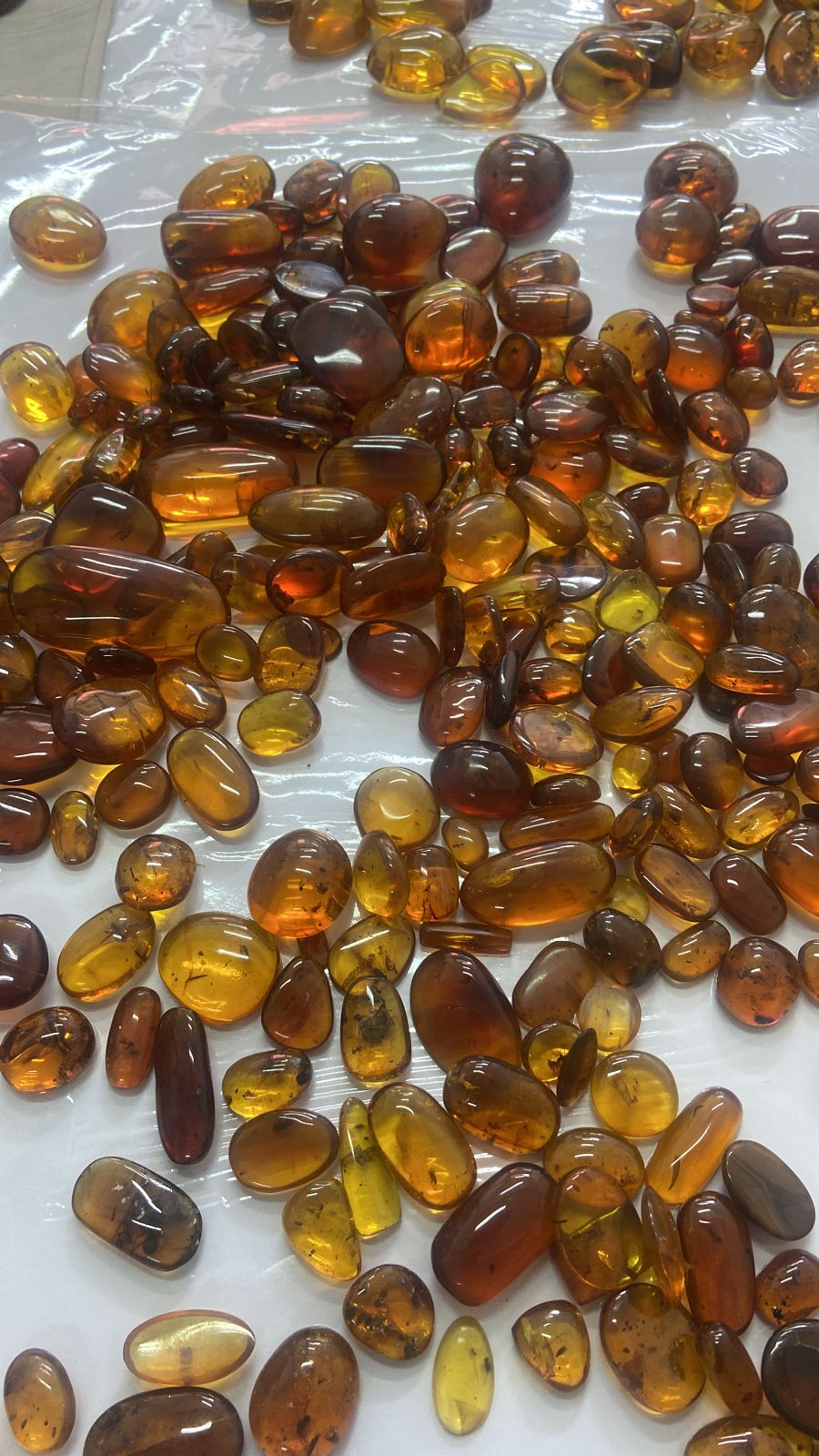
Amber stones are time capsules of ancient life. Many amber specimens contain preserved insects, plant fragments, and air bubbles. Each inclusion offers insight into prehistoric ecosystems.
When you buy amber from FolkmarketGems, you are not just buying a stone — you are acquiring a natural fossil with a story millions of years old.
Uses of Raw Amber Stone
Raw amber from FolkmarketGems can be used in multiple ways by skilled artisans, collectors, and researchers.
Common uses include:
- Amber stone jewelry: rings, bracelets, necklaces, pendants
- Art and décor: carvings, decorative objects, collectibles
- Fossil preservation: research and scientific study of ancient organisms
How to Select Amber Stone for Jewelry
Before selecting amber for jewelry, always verify authenticity. Real amber feels warm to the touch and may release a gentle pine scent when rubbed. Amber is lightweight and can float in salt water.
Consider the intended use — rings, bracelets, or necklaces require different sizes and shapes. Always buy from trusted dealers like FolkmarketGems, where authenticity and transparency are prioritized.
Caring for Amber Jewelry
- Avoid high temperatures, as amber can burn or melt
- Keep amber away from prolonged sunlight and heat
- Avoid chemicals and harsh cleaners
- Never use steam or ultrasonic cleaning
- Clean gently with a damp cloth, warm water, and mild soap
Amber as a Birthstone and Gift Stone
Amber is associated with November birthstone traditions and is symbolically linked with courage, protection, and good fortune. Although not a mineral gemstone, amber is widely used in birthstone jewelry and meaningful gifts.
FolkmarketGems also offers amber stones suitable for birthstone jewelry, collectors, and personalized gift pieces.