


Filters
80 items
Sort Date, new to old
-

Natural Red Mozambique Rubies — Loose Faceted Lot, 8.4 Carats | Pear, Oval & Octagonal
-

Natural Ruby Crystal on Matrix – 46g | Hunza, Nagar, Pakistan | Untreated
-
-
-
-
 Sale
Sale1.4 Carat Oval Shape Loose Pink Ruby Stone
1.4 Carat Oval Shape Loose Pink Ruby Stone
Sale price $350.00 USD Regular price $410.00 USD -
-
-
-
-

3 Miniature Ruby Crystals on Calcite Matrix – Afghanistan | 27 Carats
-

75 Carats Afghan Rough Rubies Specimens - Miniature Mineral Specimens
75 Carats Afghan Rough Rubies Specimens - Miniature Mineral Specimens
$200.00 USD Unit price $12.50 USD each -

58 Carats Rough Rubies for Lapidary Artists
58 Carats Rough Rubies for Lapidary Artists
$200.00 USD Unit price $17.24 USD/g -

10 Carats Rough Ruby Crystal on Metrix - From Afghanistan
-

8 Carats Natural Ruby Crystals on Matrix - From Afghanistan
-

13 Carats Afghan Ruby Crystal on Calcite - Afghanistan
-

27 carats Natural Ruby Crystal on Calcite from Afghanistan
-
-
-

100 Carats Rough Ruby Stones for Faceting / Lapidary
-
-

25 grams Raw Ruby and Blue sapphire Crystals Deal
-

100 carats Rough Rubies | Raw Afghan Ruby Parcel for Faceting / Cabbing
-
-
-
-
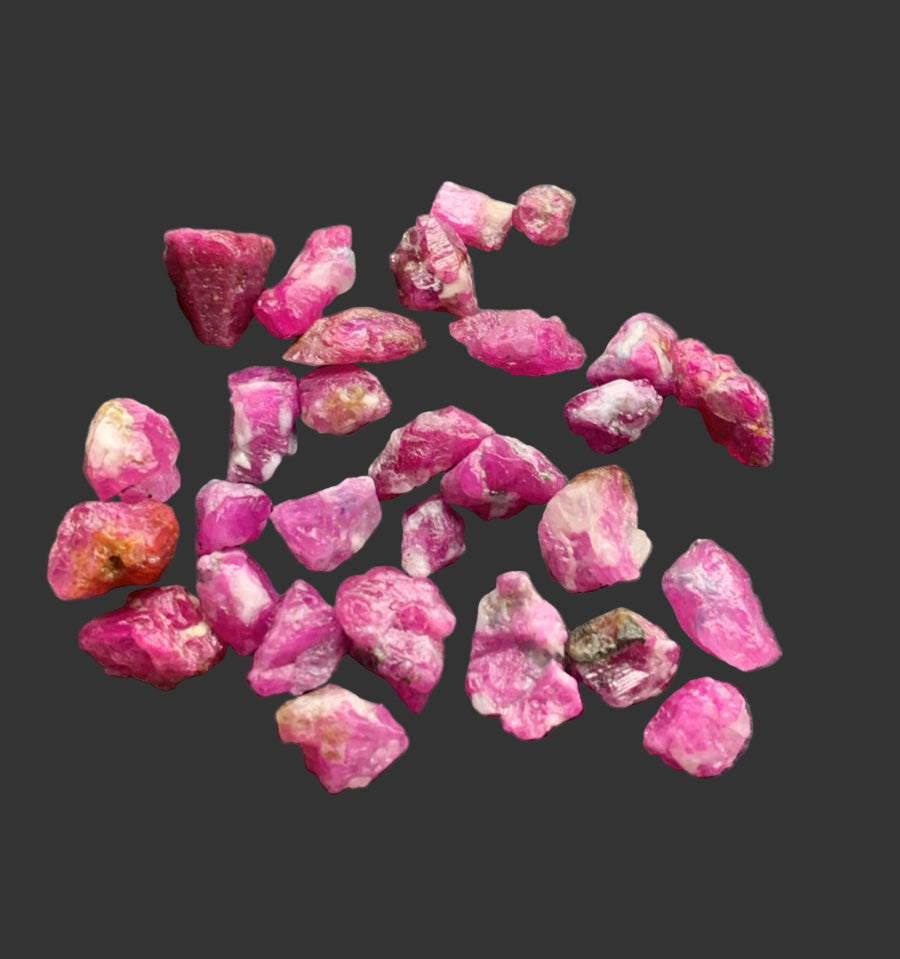
100 carats Afghan Rubies Lapidary and Specimens
100 carats Afghan Rubies Lapidary and Specimens
$550.00 USD -
-
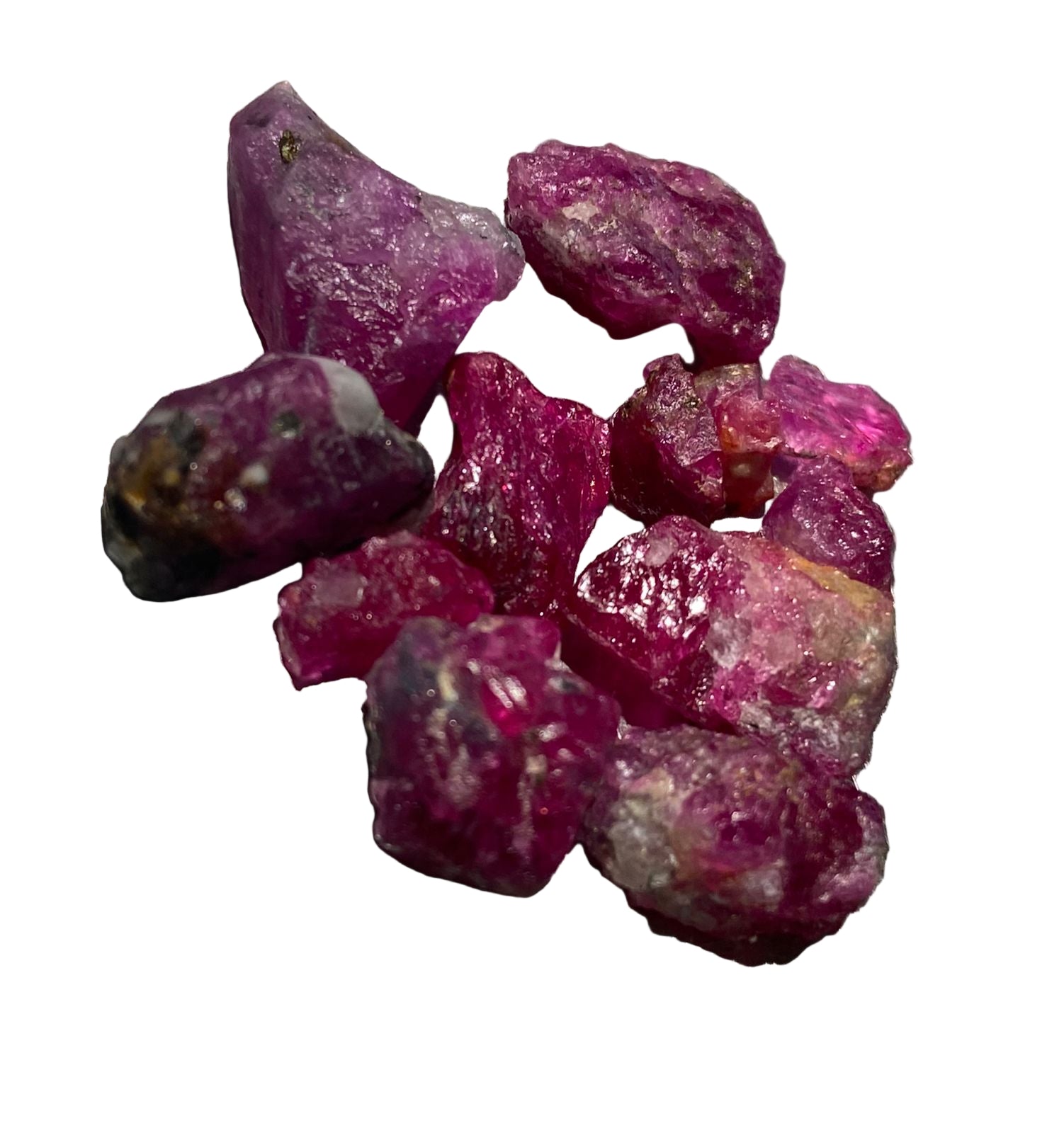
56 Carats Lot of Tajik Rubies Rough Lapidary Quality
-
-
-
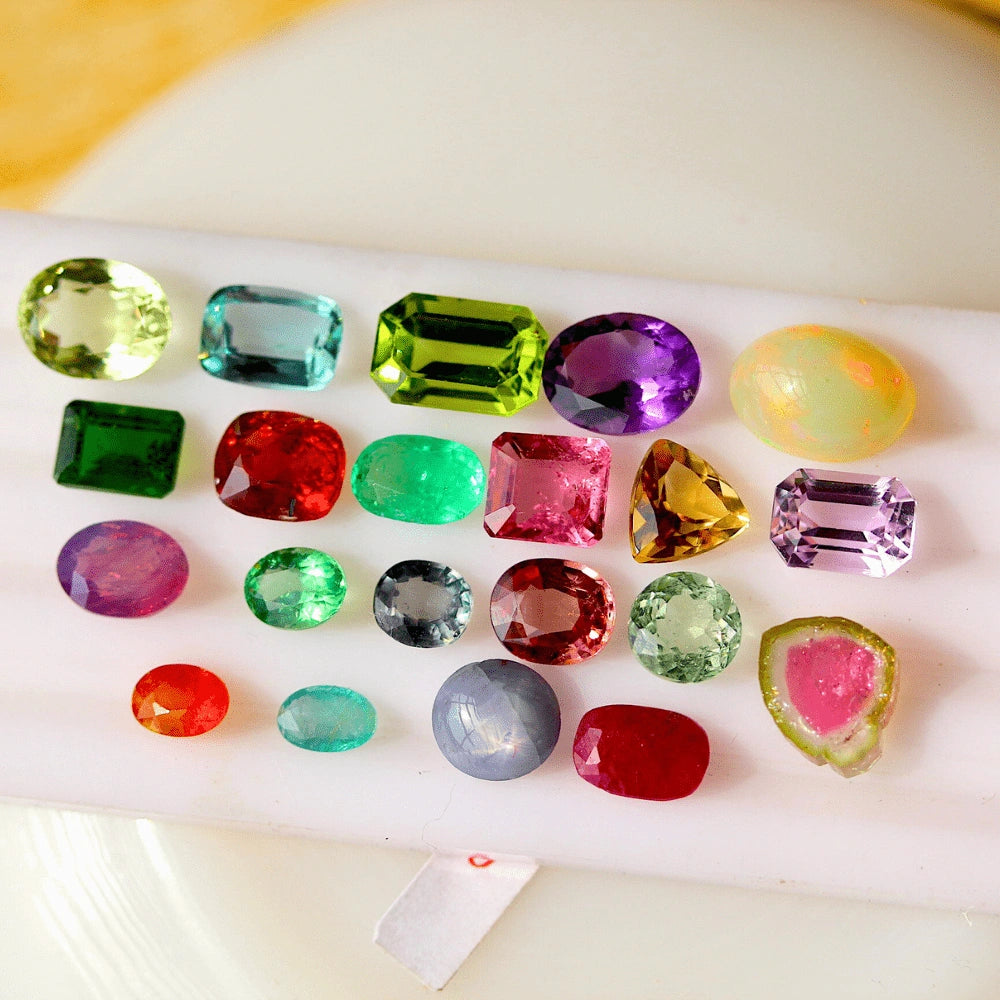 Sale
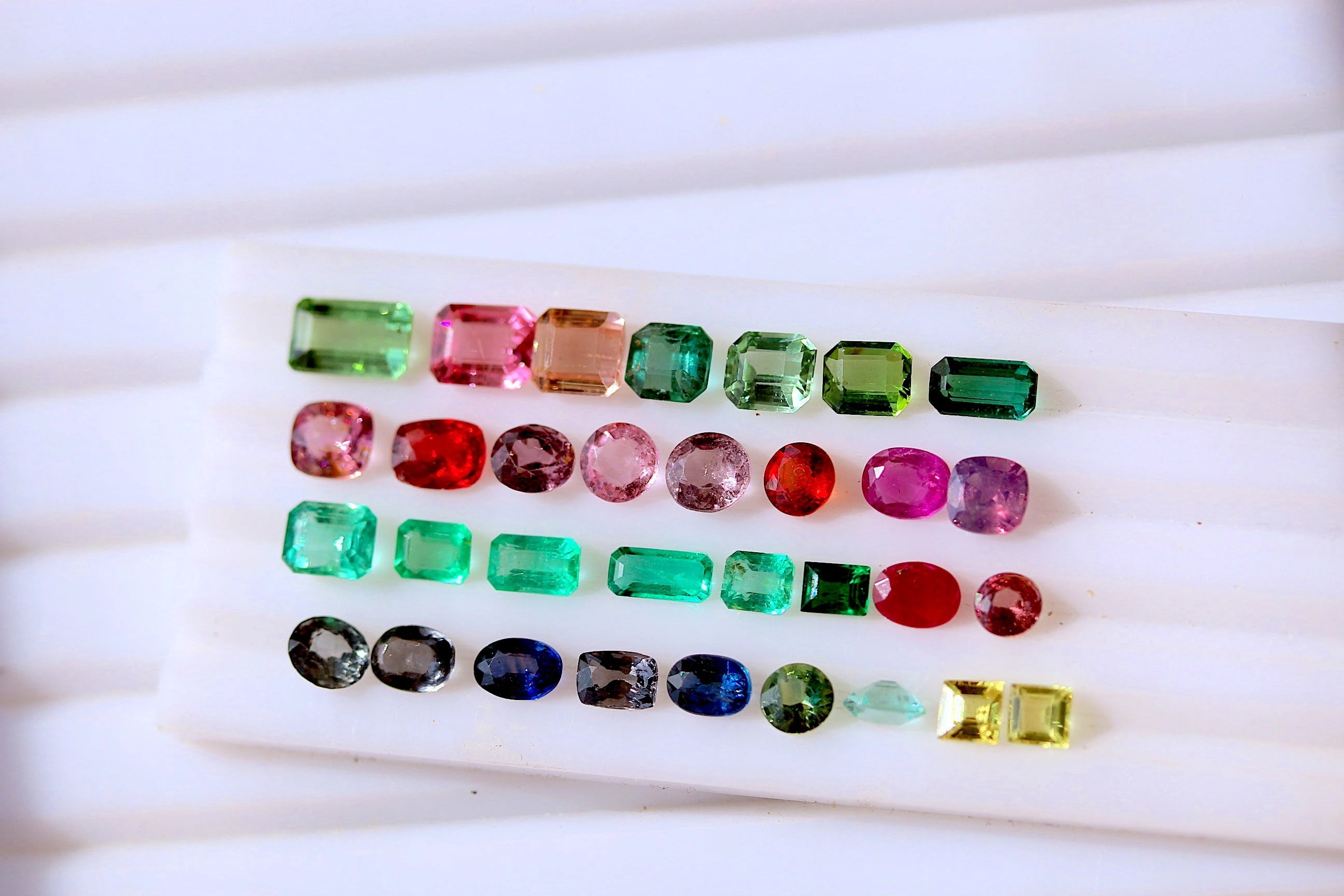
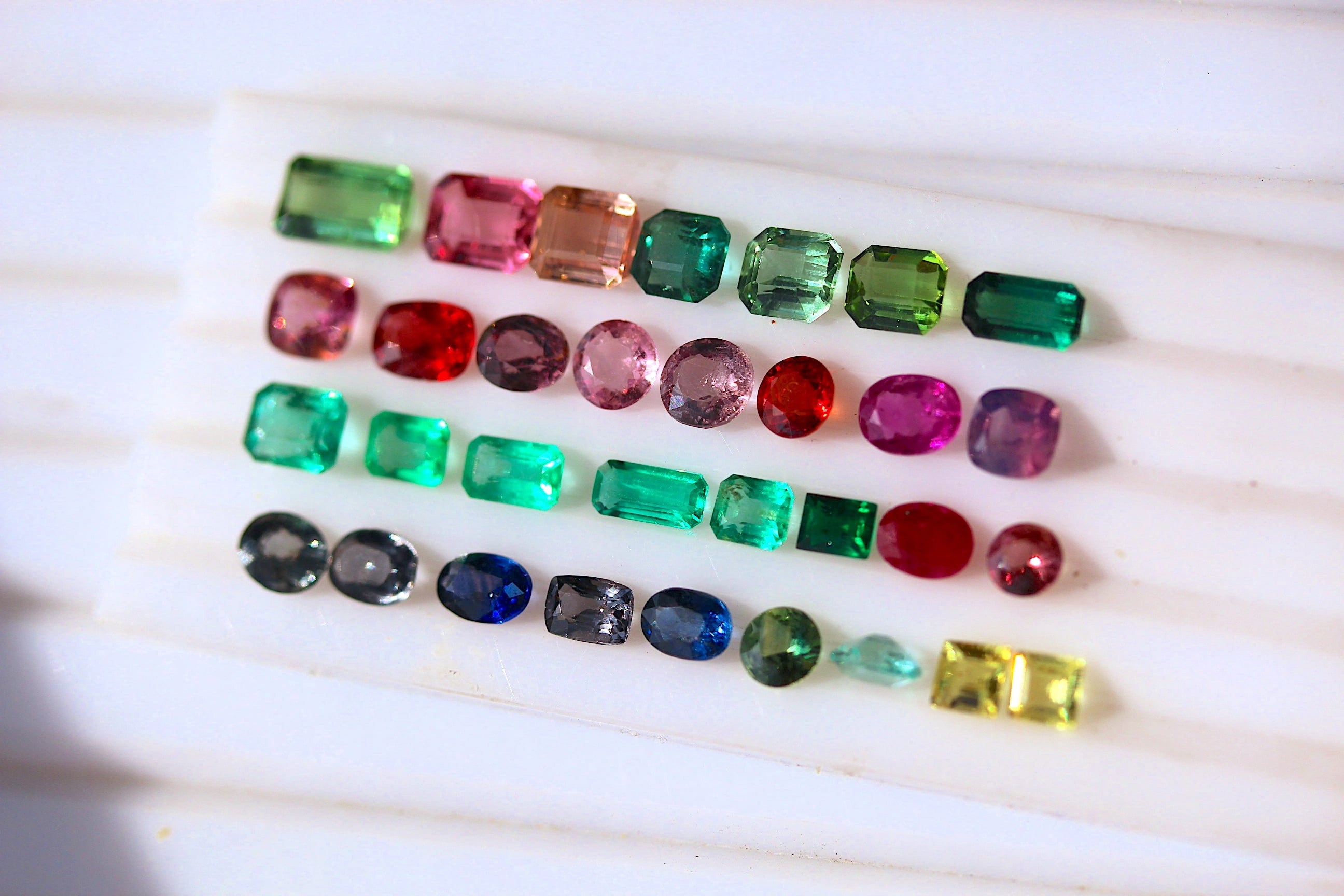
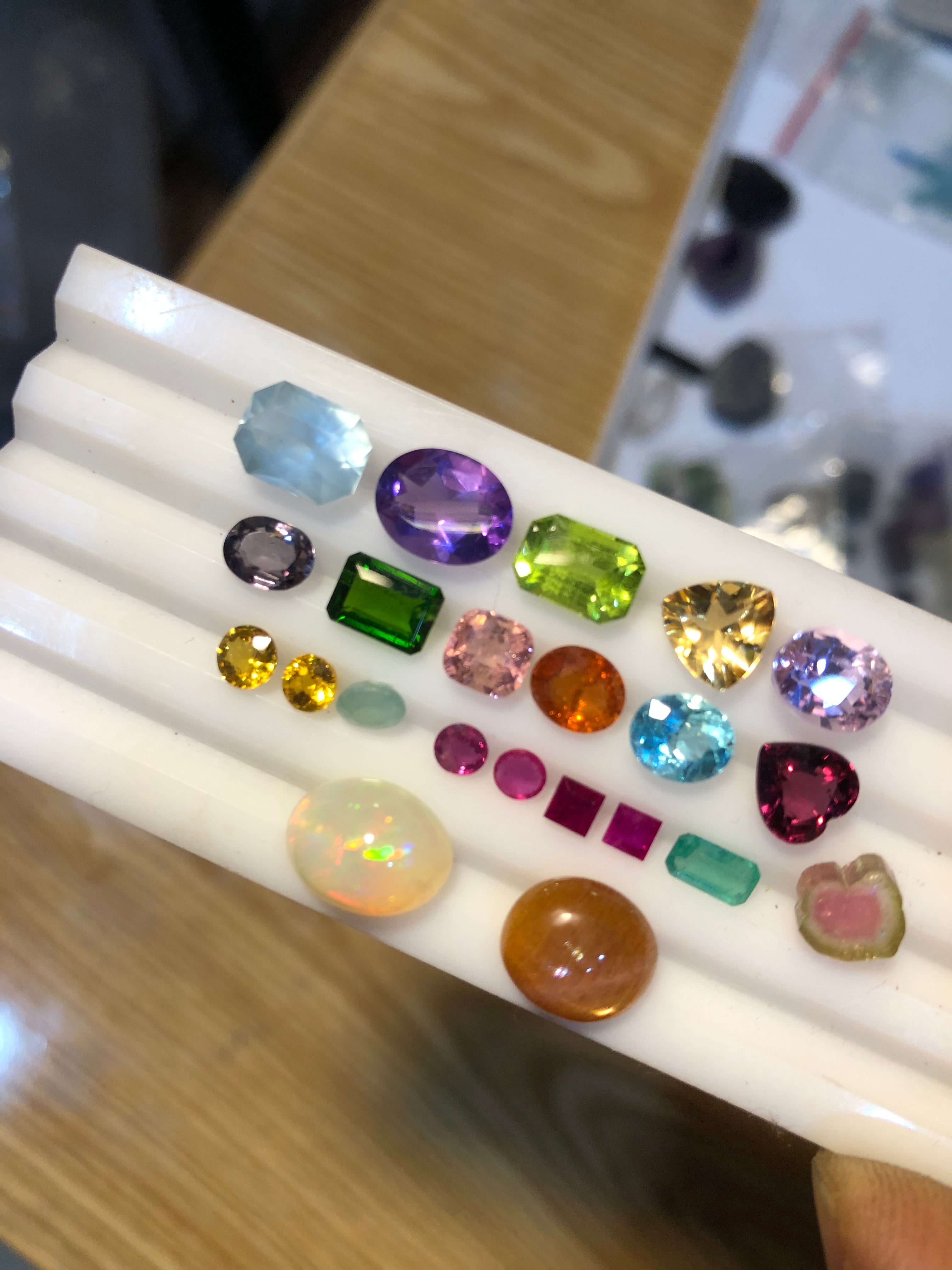
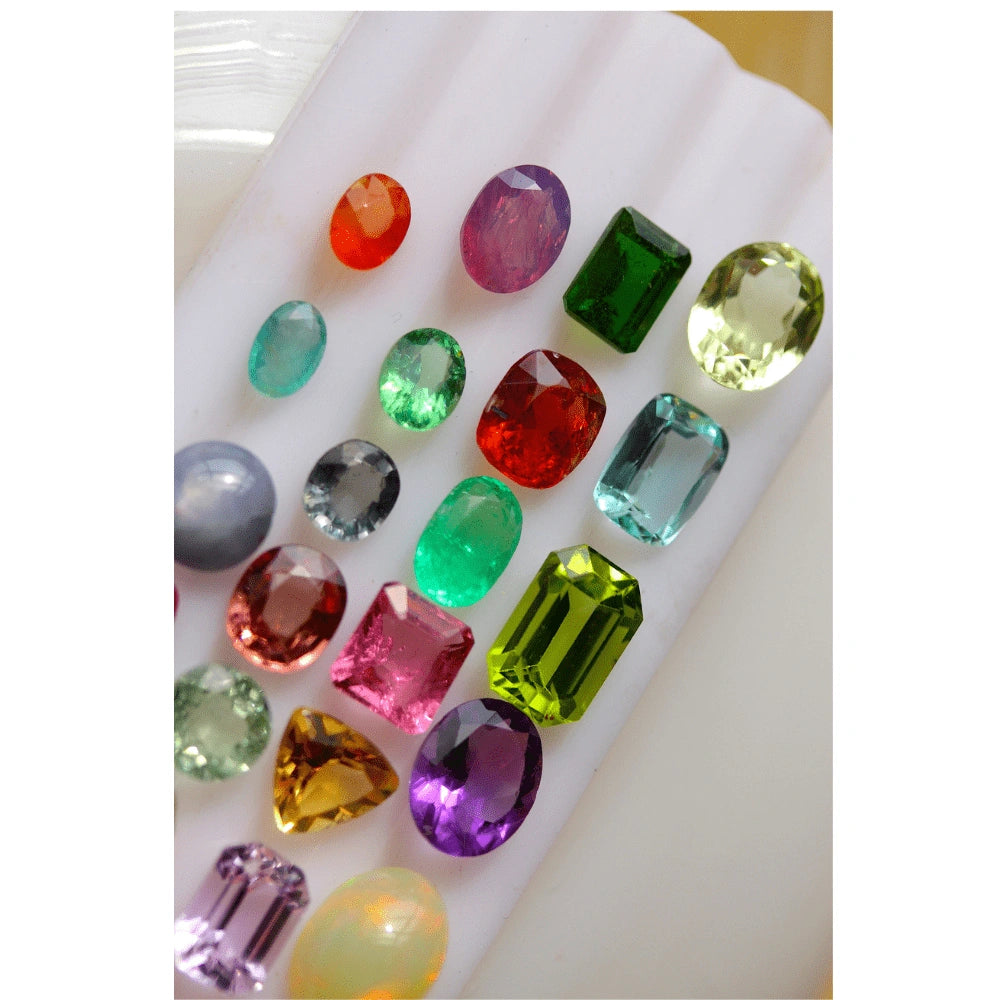
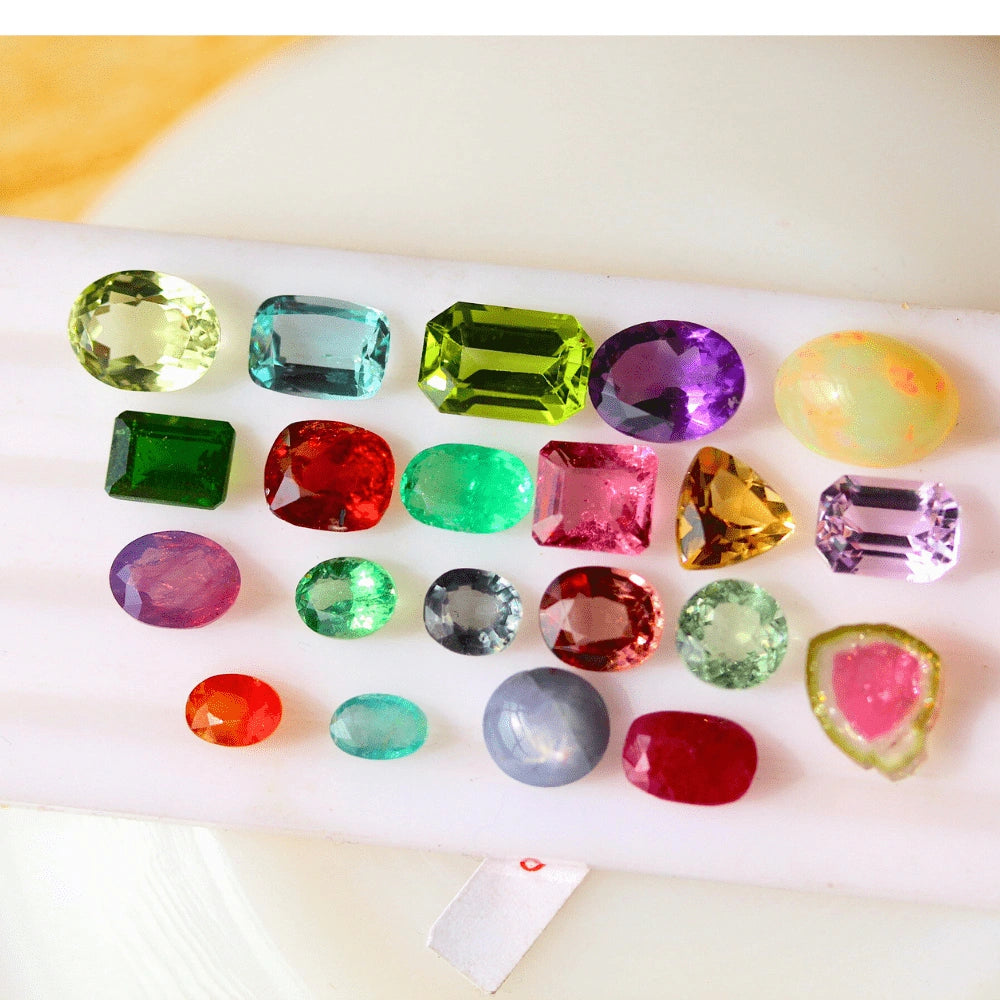
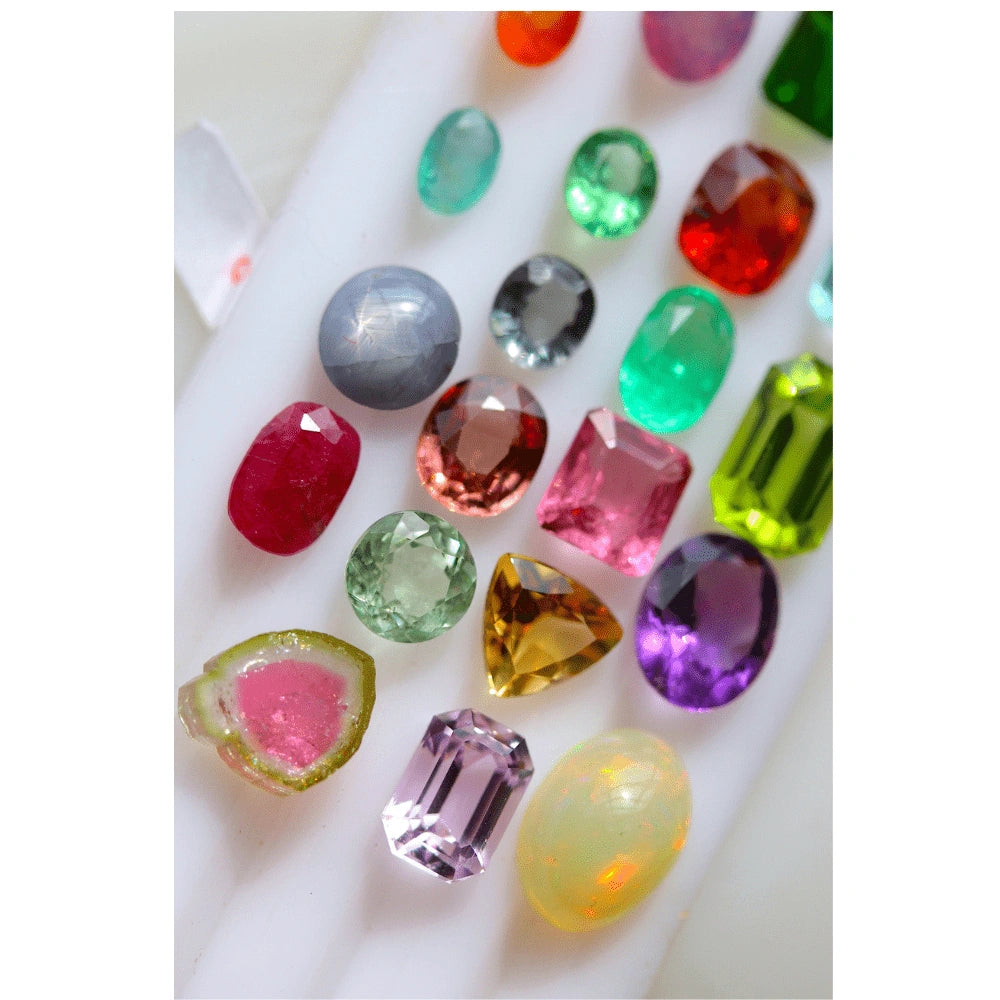
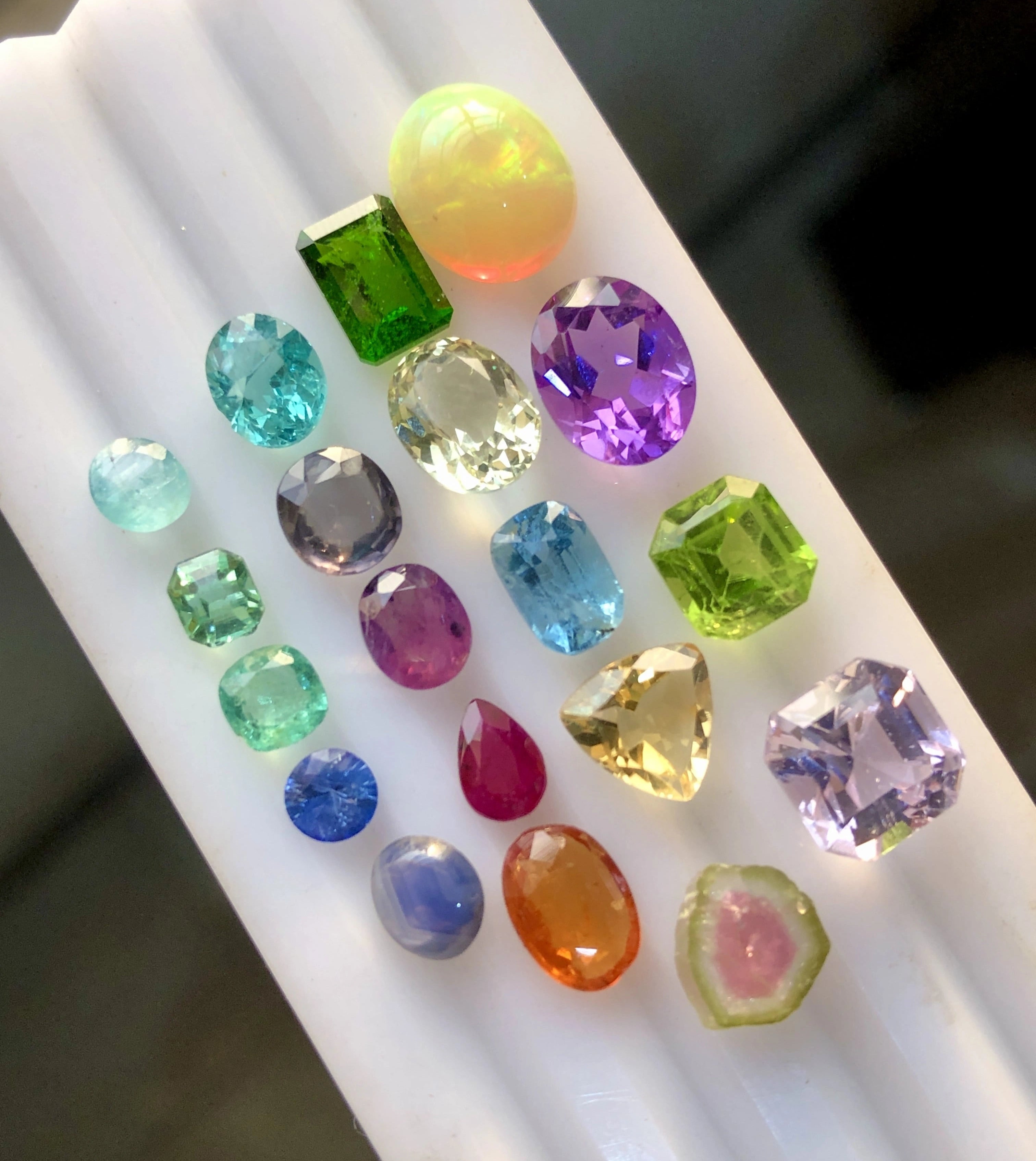
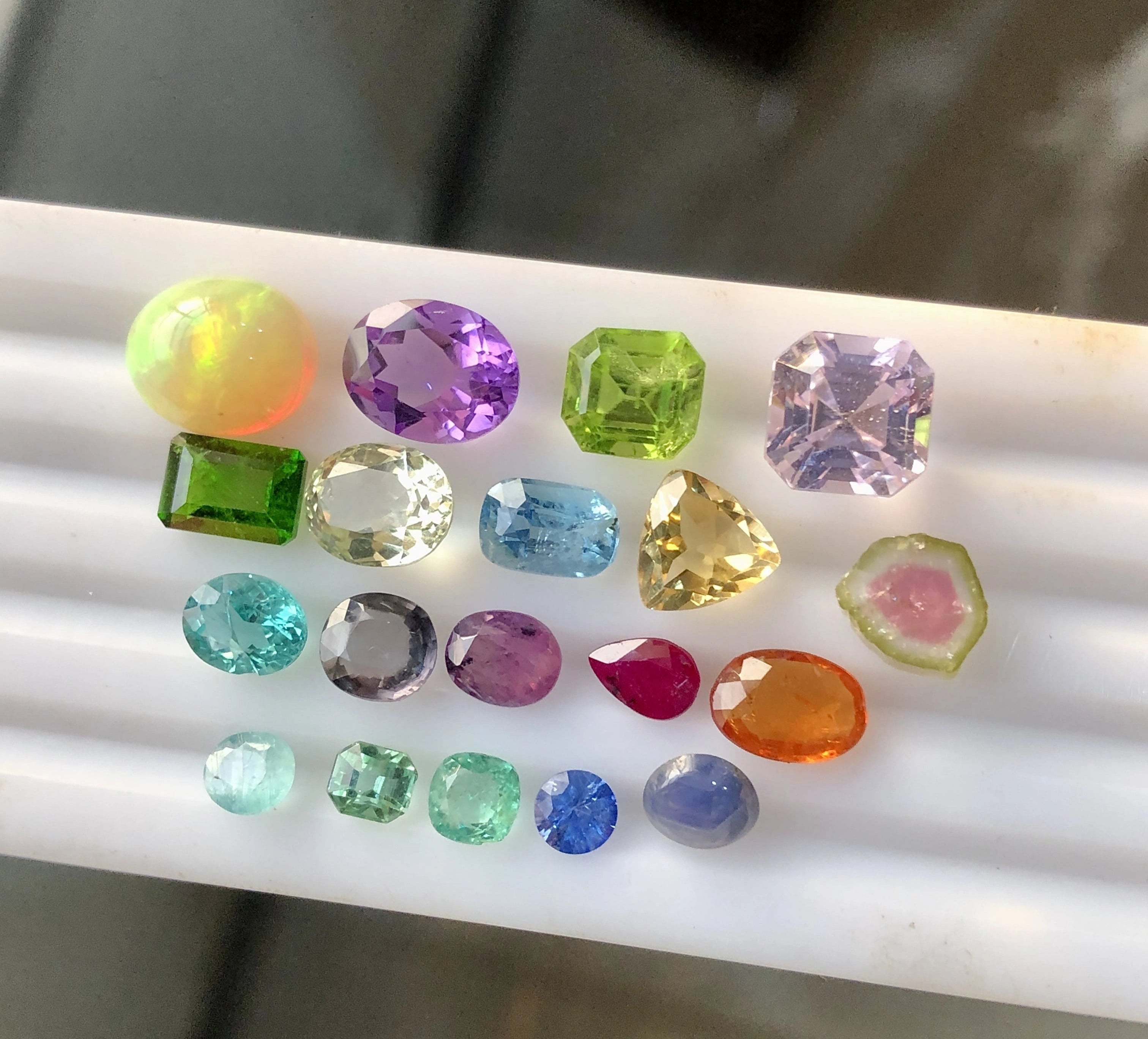
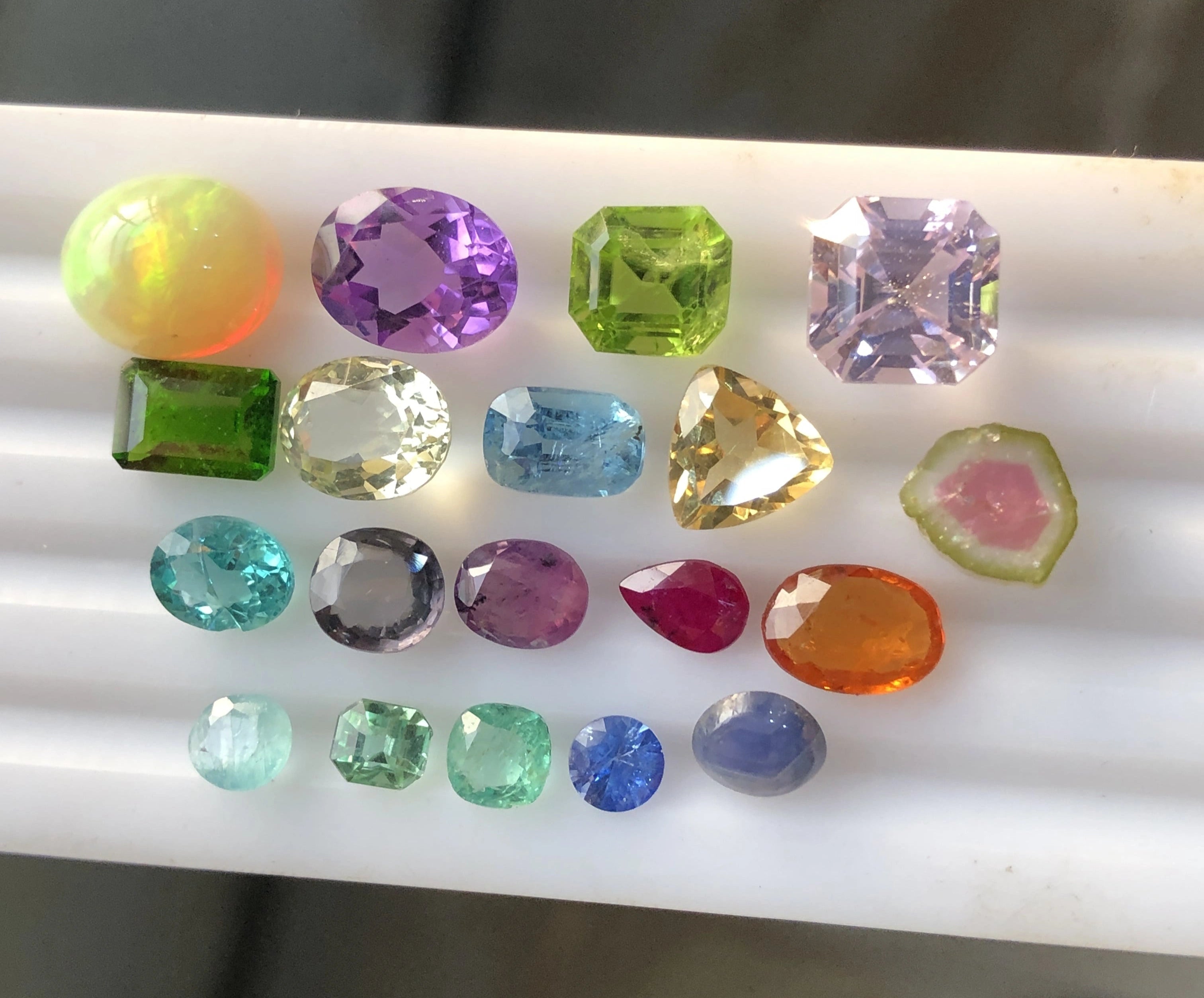
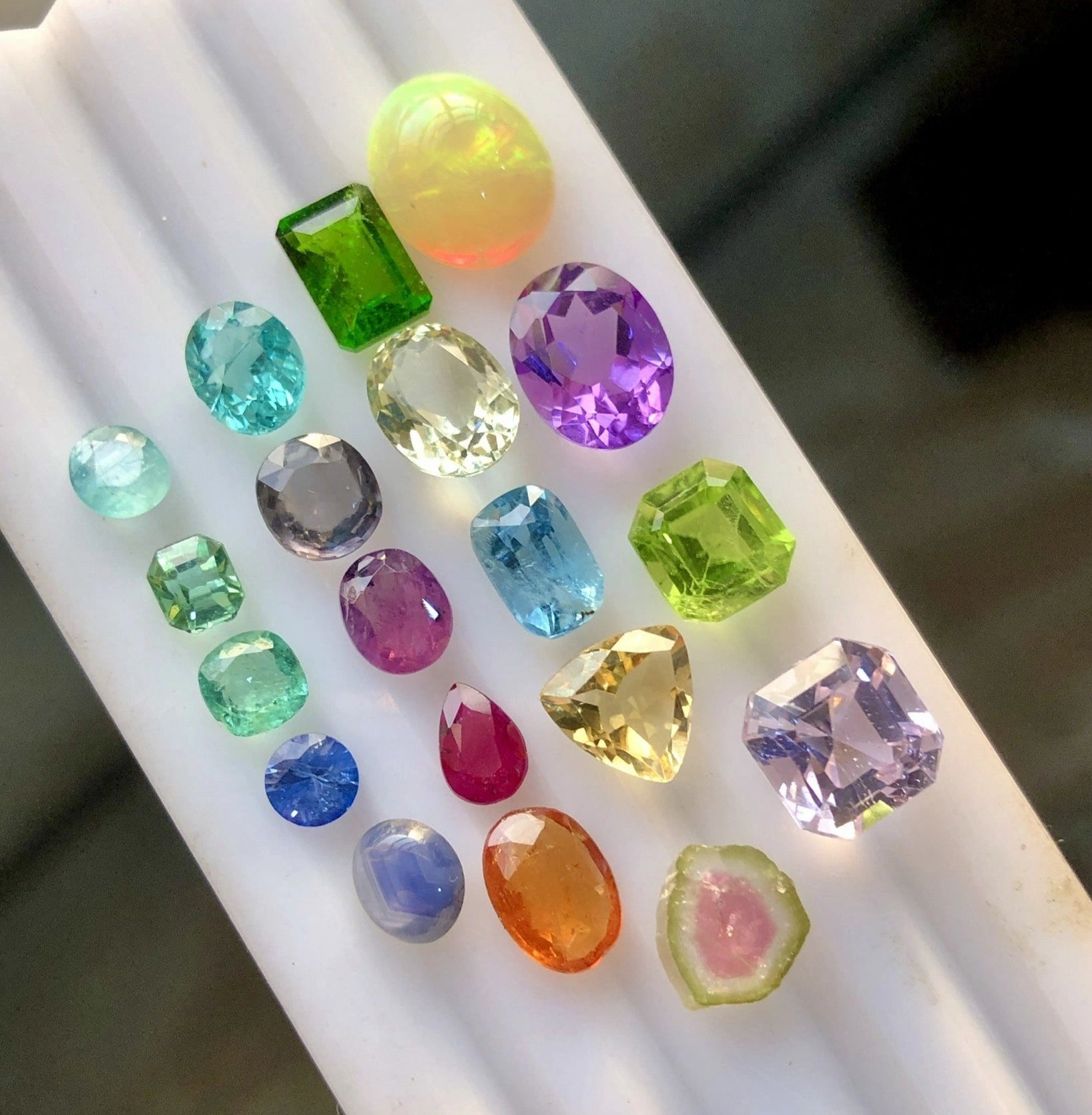
Sale21 Pieces Multi Loose Cut Gemstones: Emerald, Ruby, Sapphire, Garnet, Aqua, Tourmaline
21 Pieces Multi Loose Cut Gemstones: Emerald, Ruby, Sapphire, Garnet, Aqua, Tourmaline
Sale price $850.00 USD Regular price $1,200.00 USD -
-
-
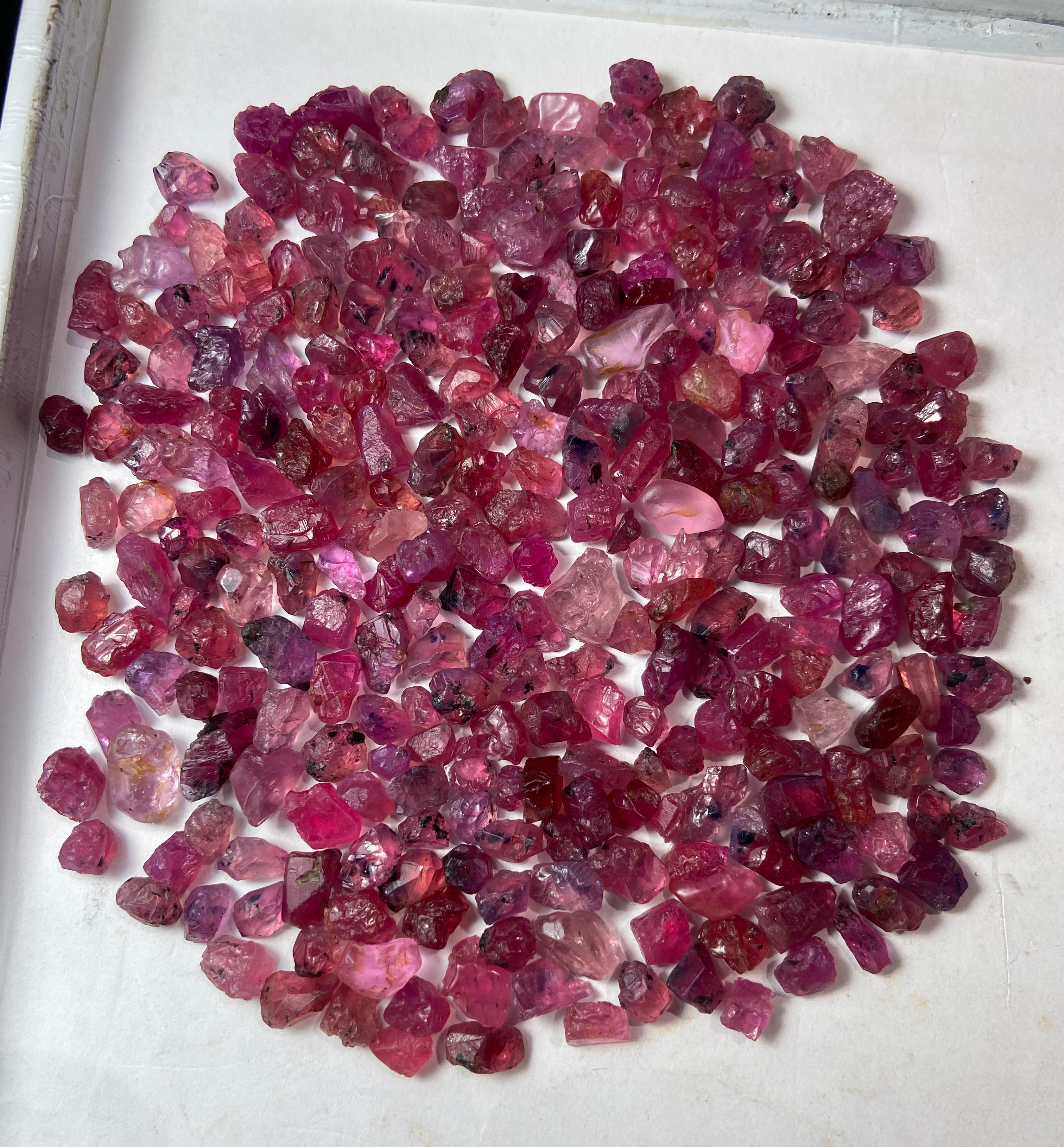
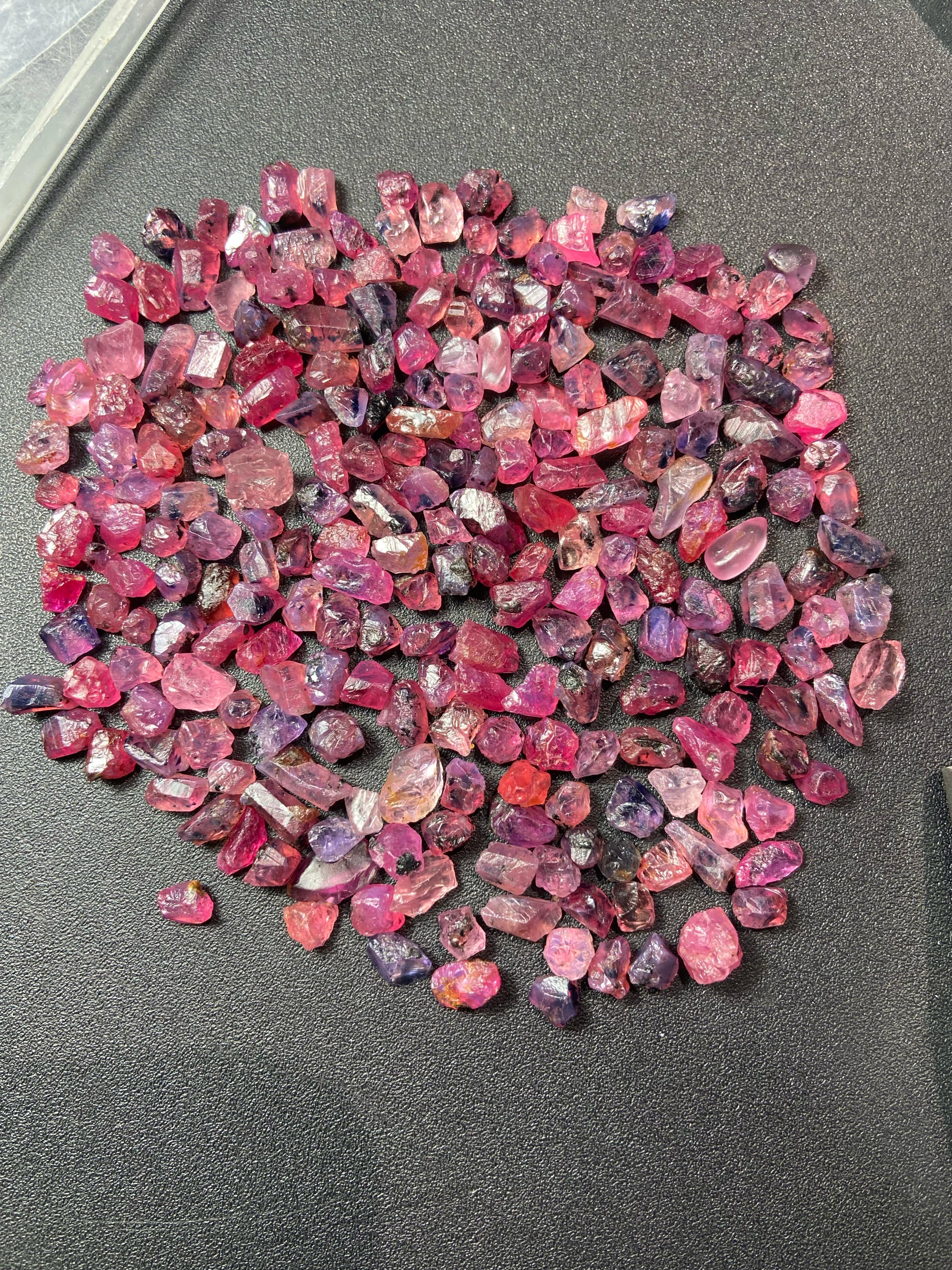
150 carats Rough Corundum ( Raw Rubies & Sapphires) Deal
150 carats Rough Corundum ( Raw Rubies & Sapphires) Deal
$1,700.00 USD -
 Sale
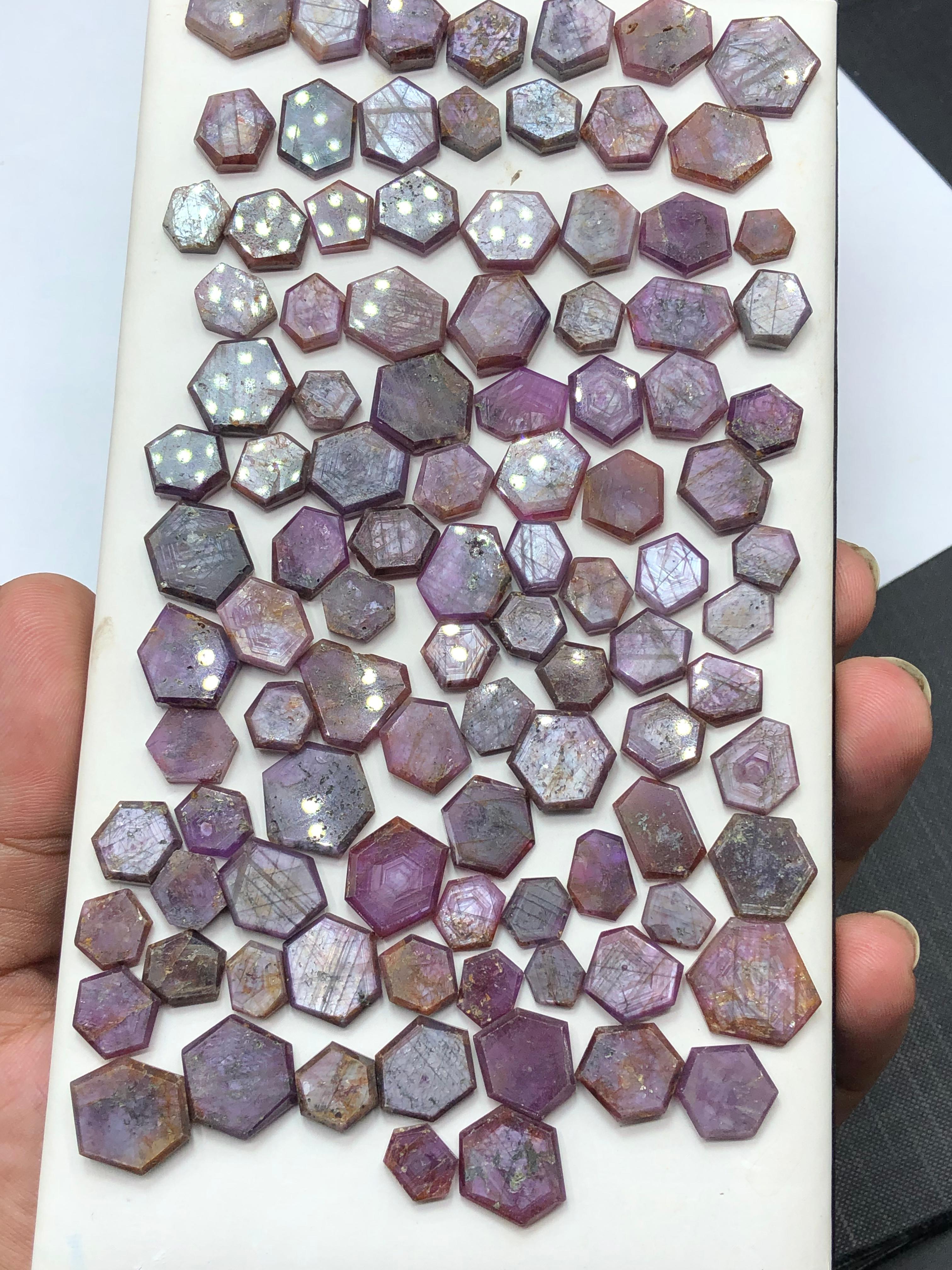
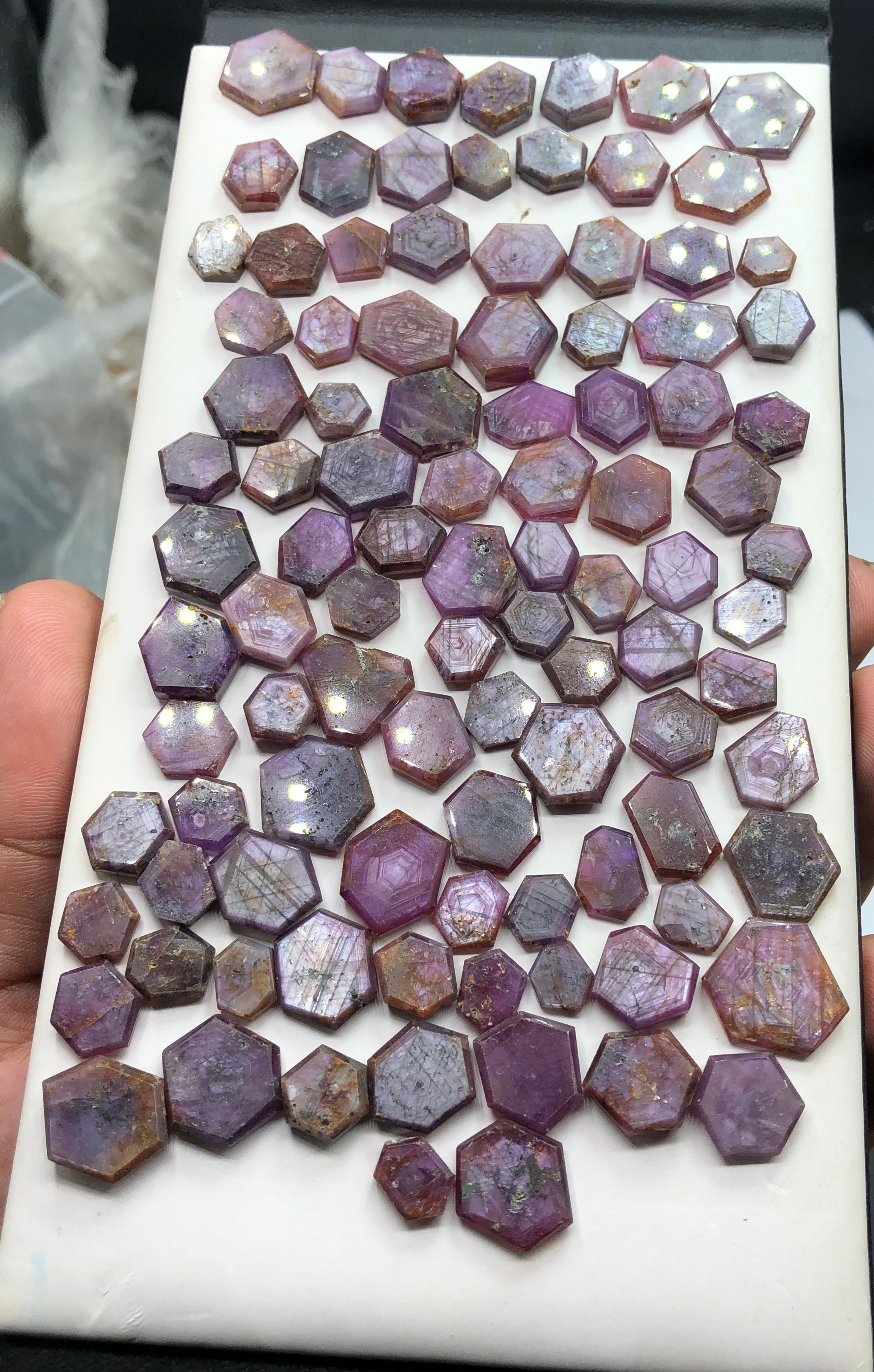
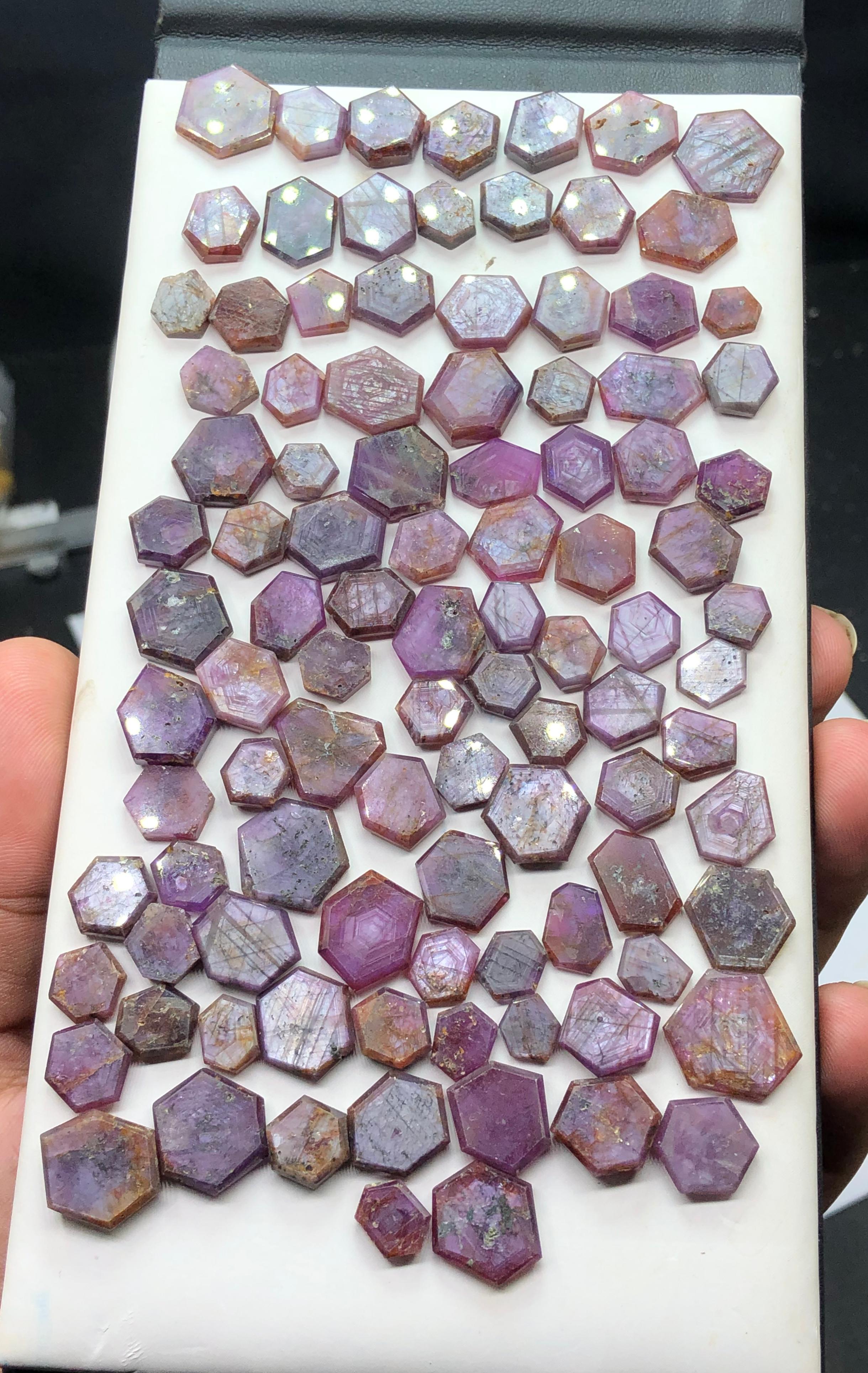
Sale200 carats Rough Sapphires | Rubies Gems Deal
200 carats Rough Sapphires | Rubies Gems Deal
Sale price $1,800.00 USD Regular price $2,200.00 USD


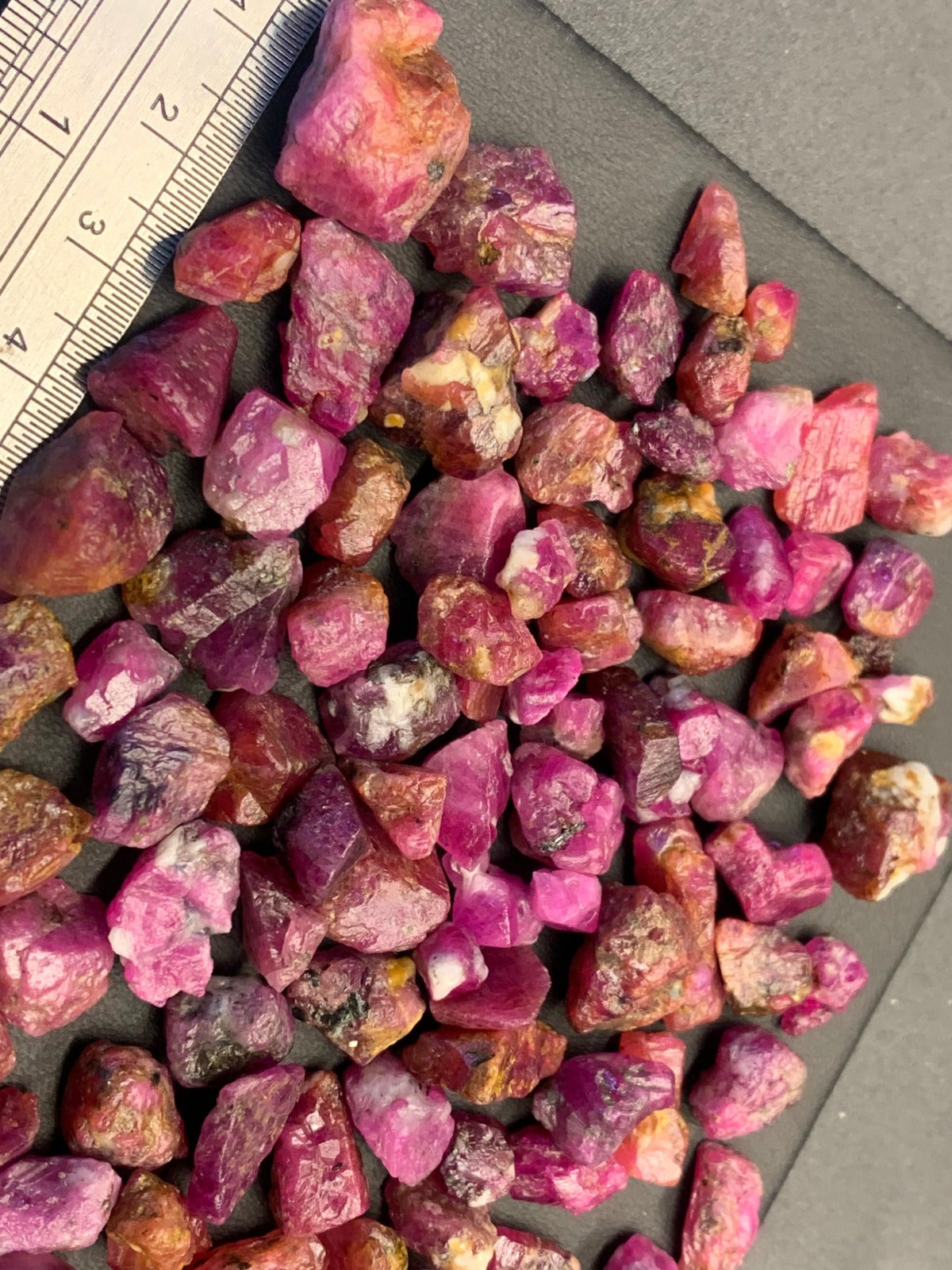
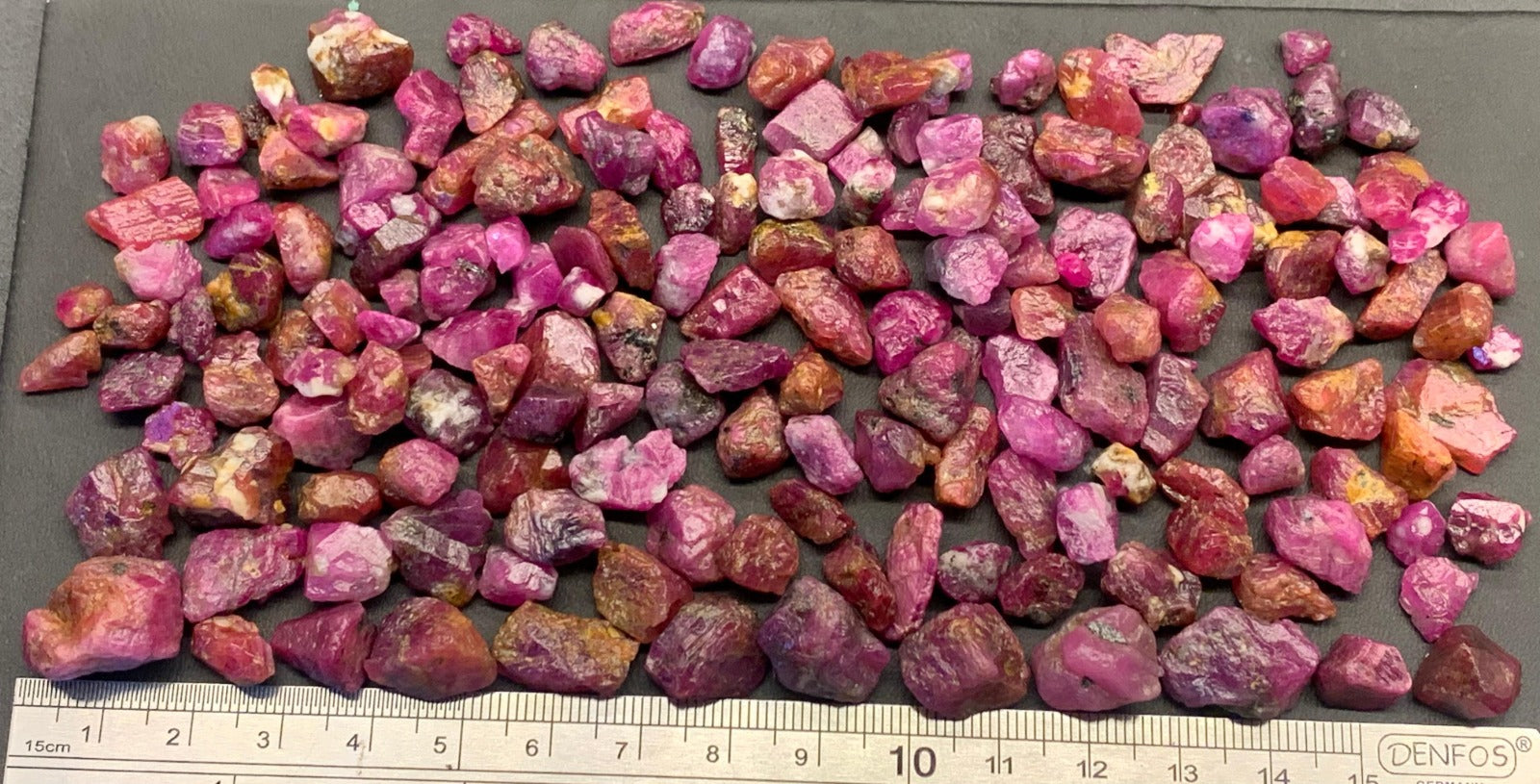
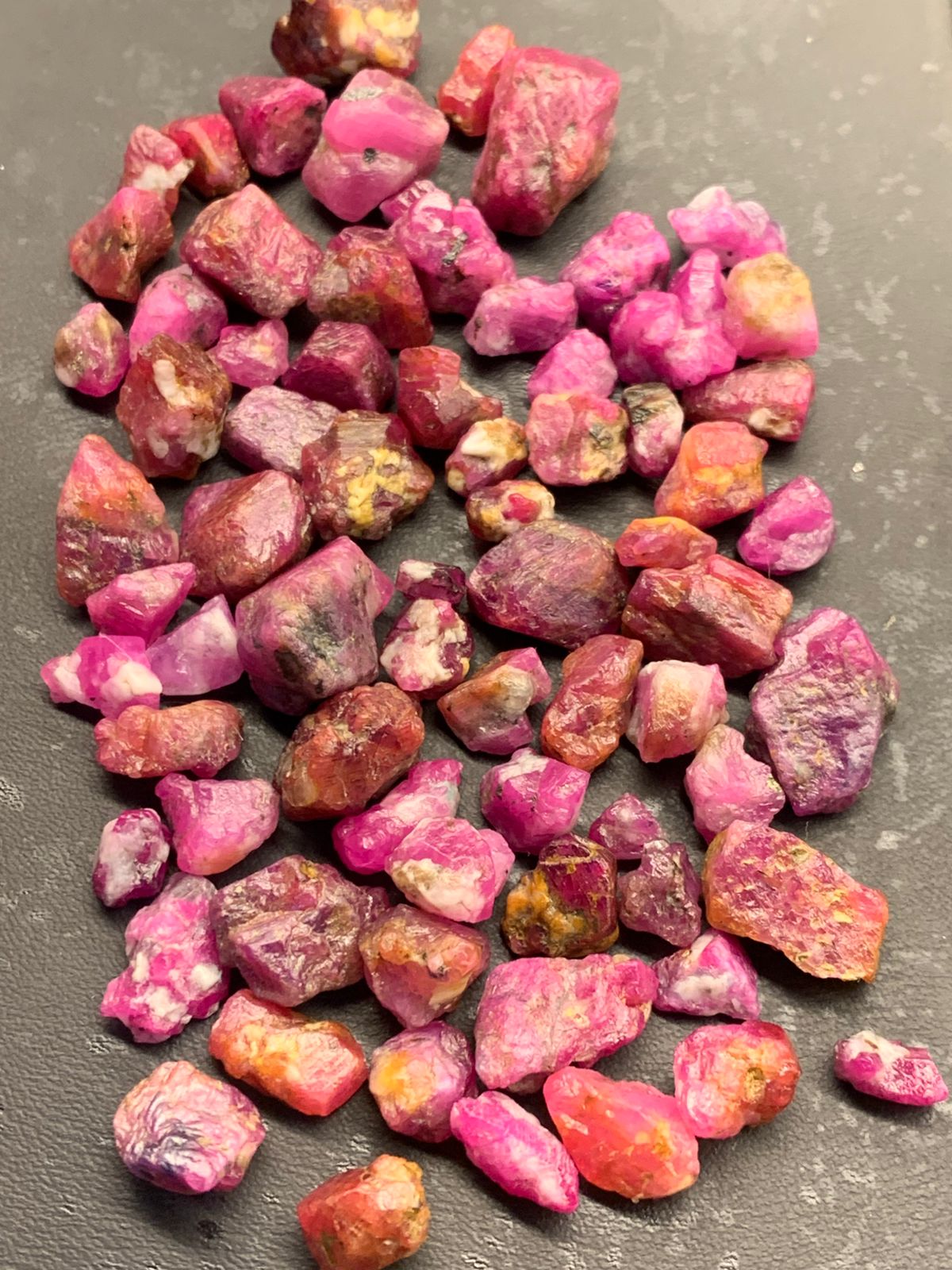
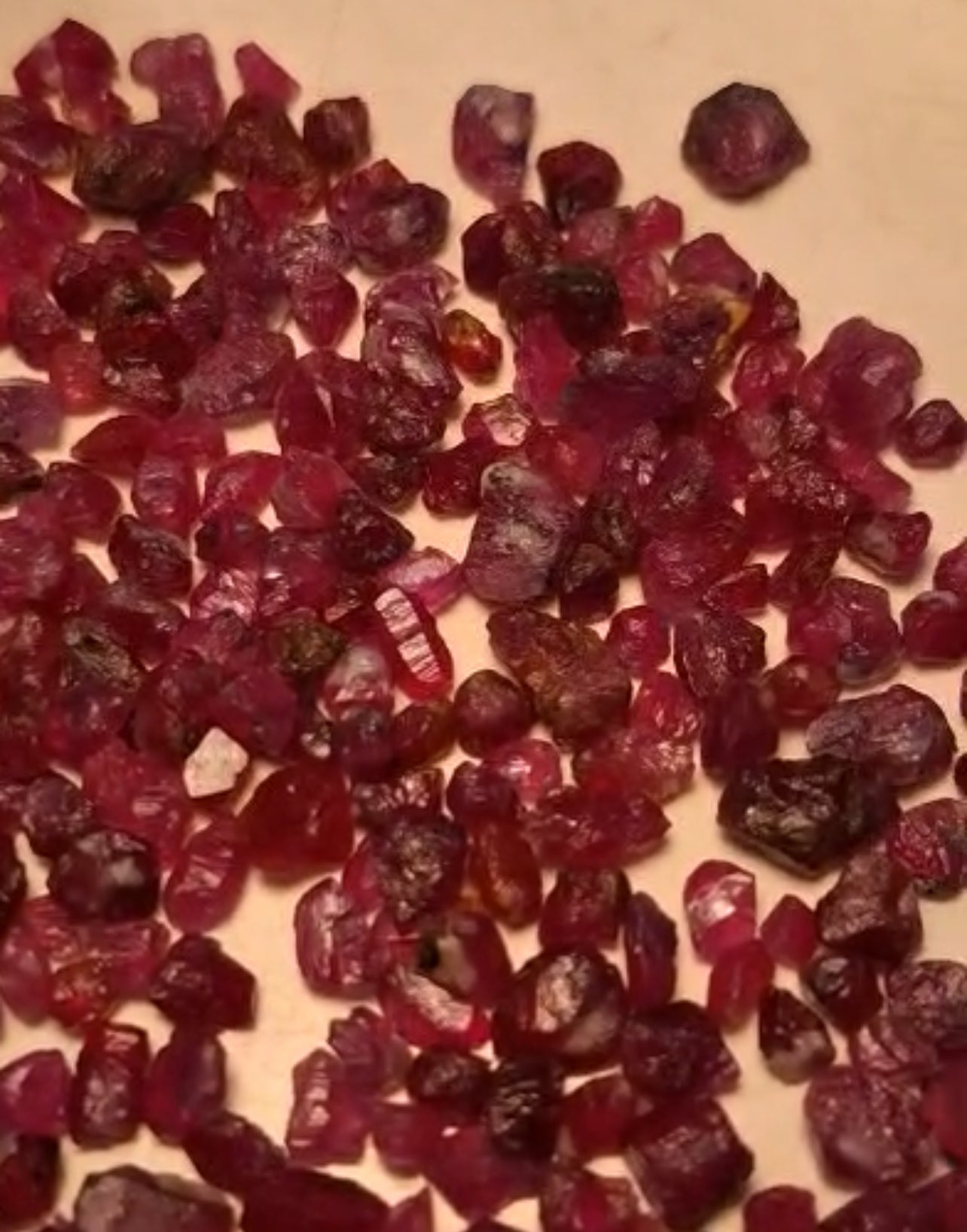
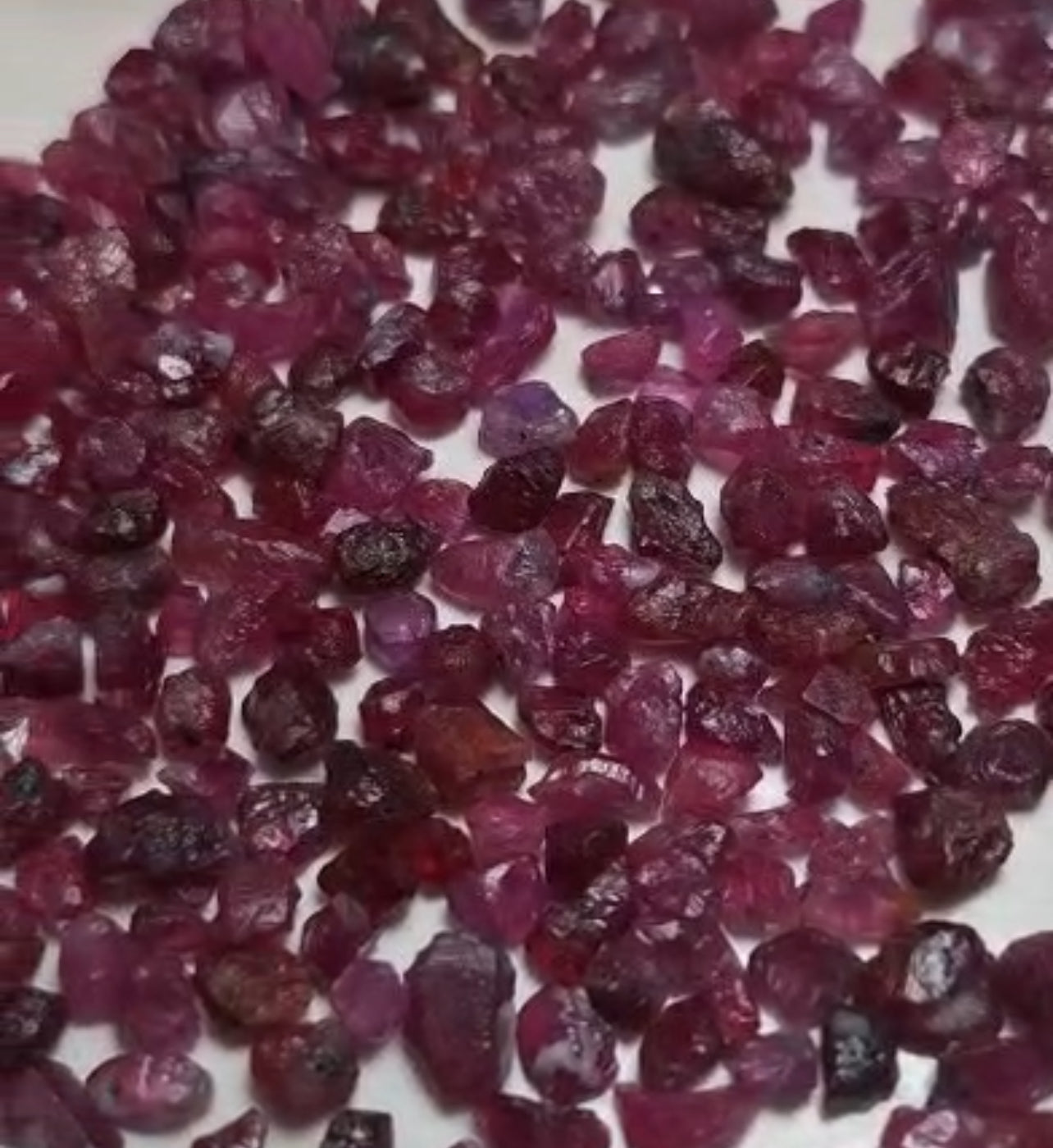
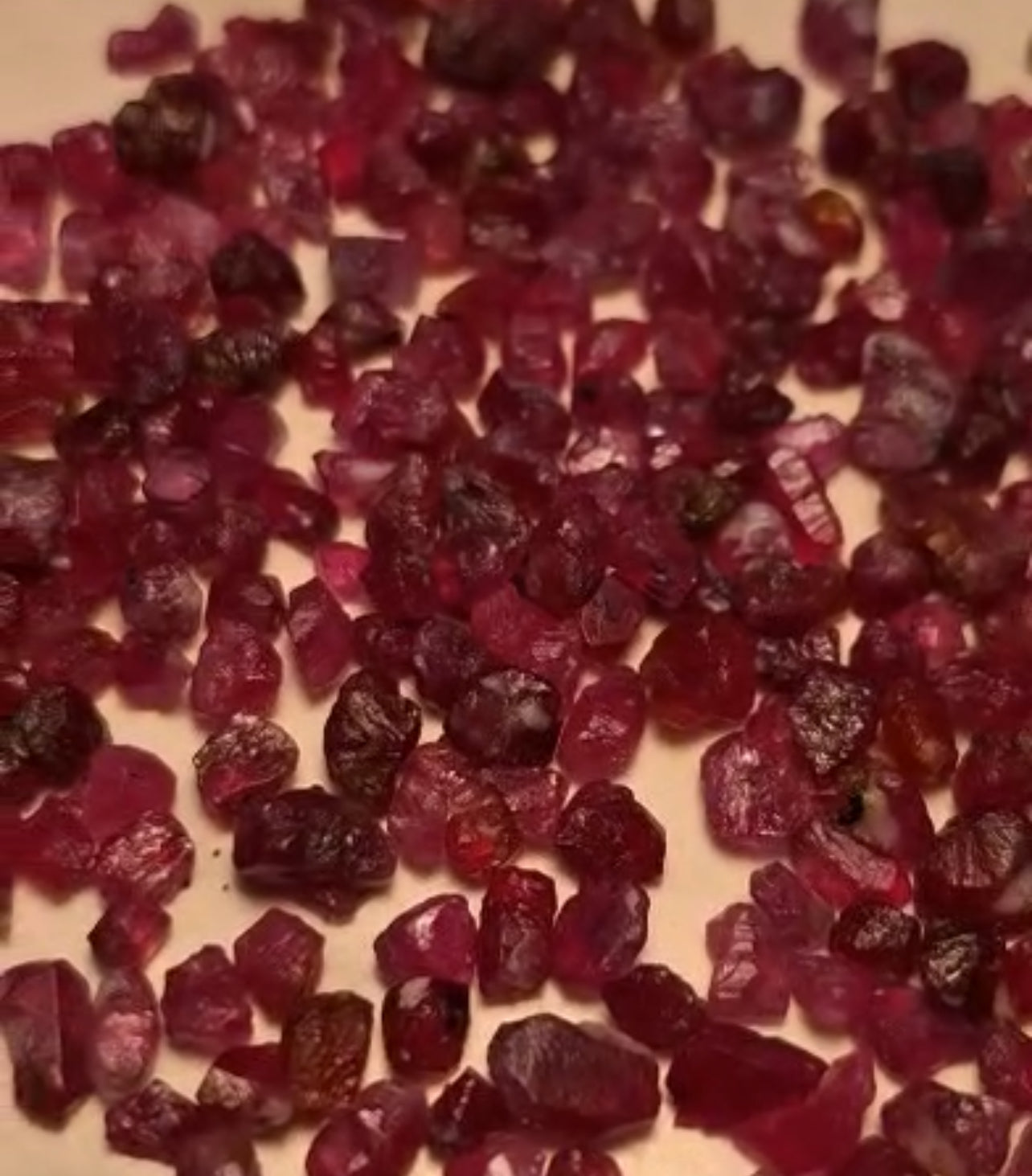
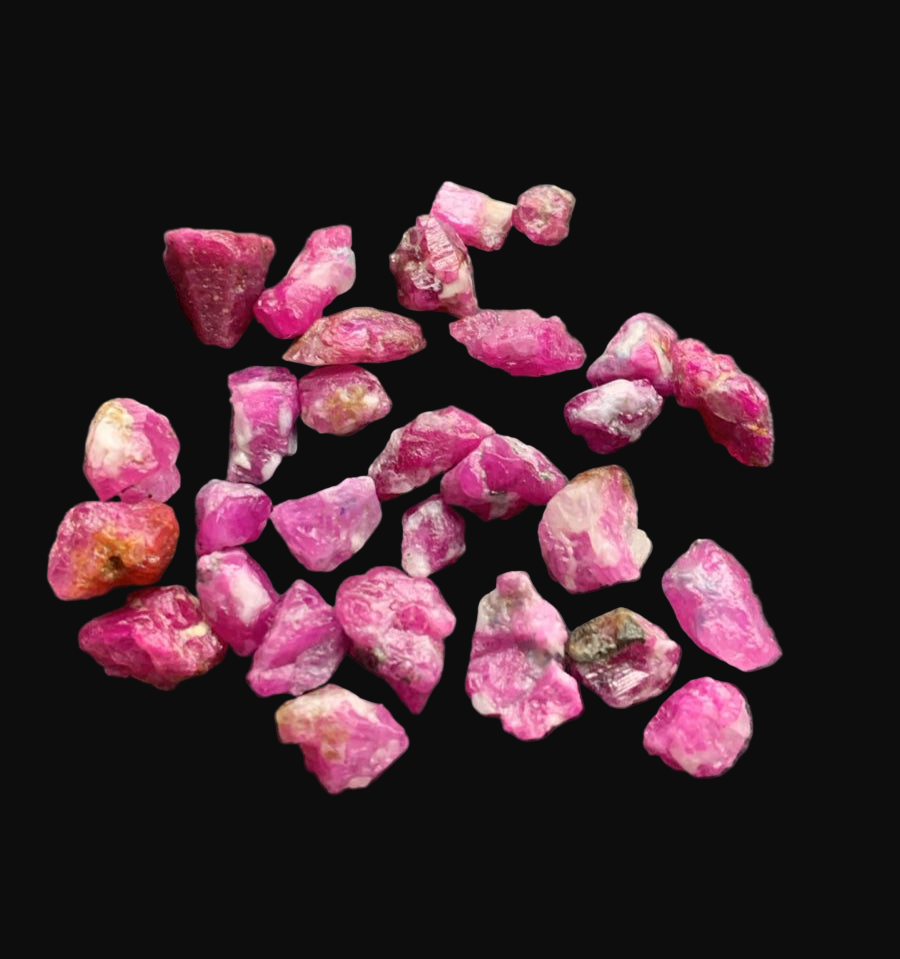
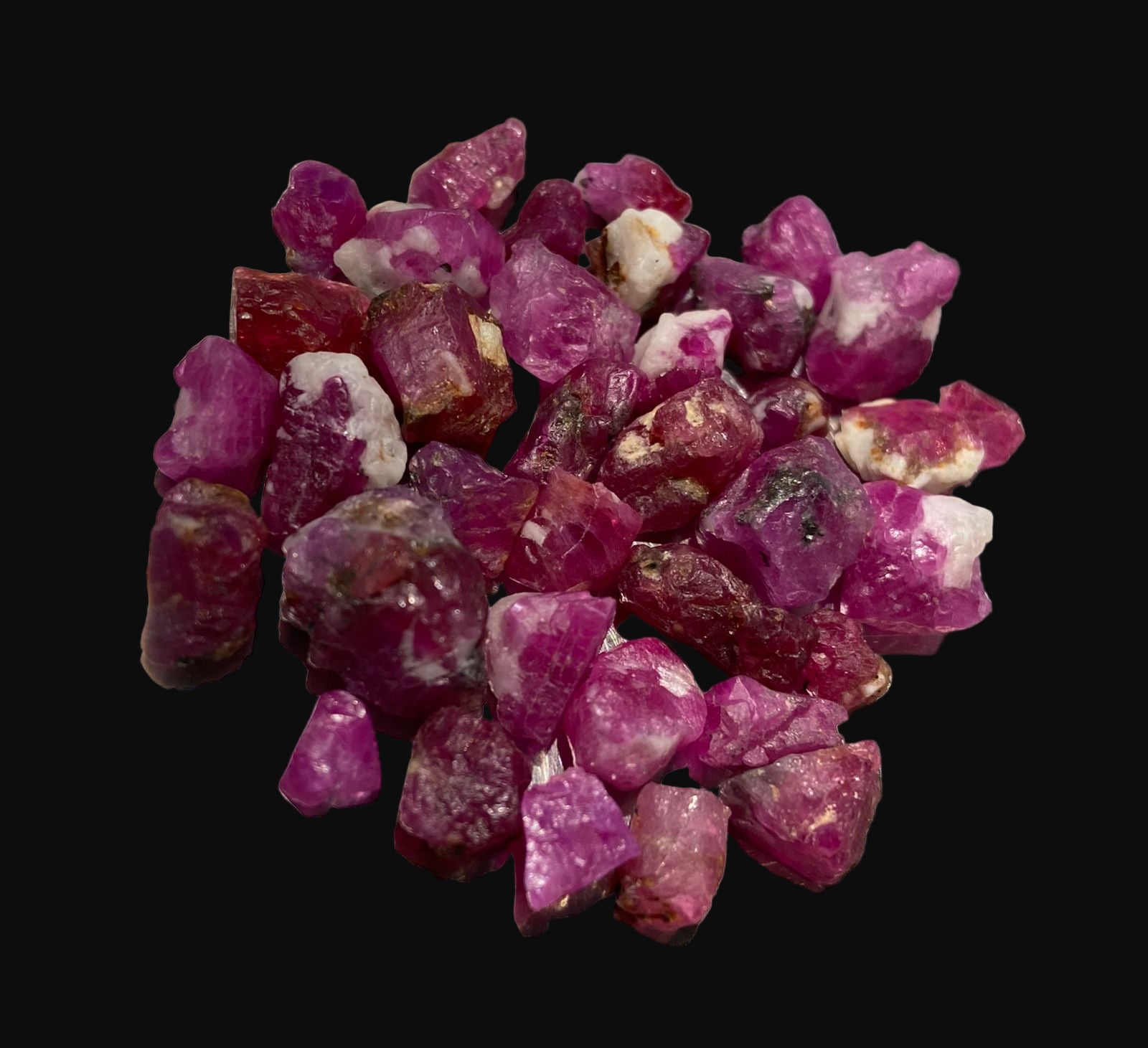


Buy Raw Ruby Stones | Loose Ruby Stones
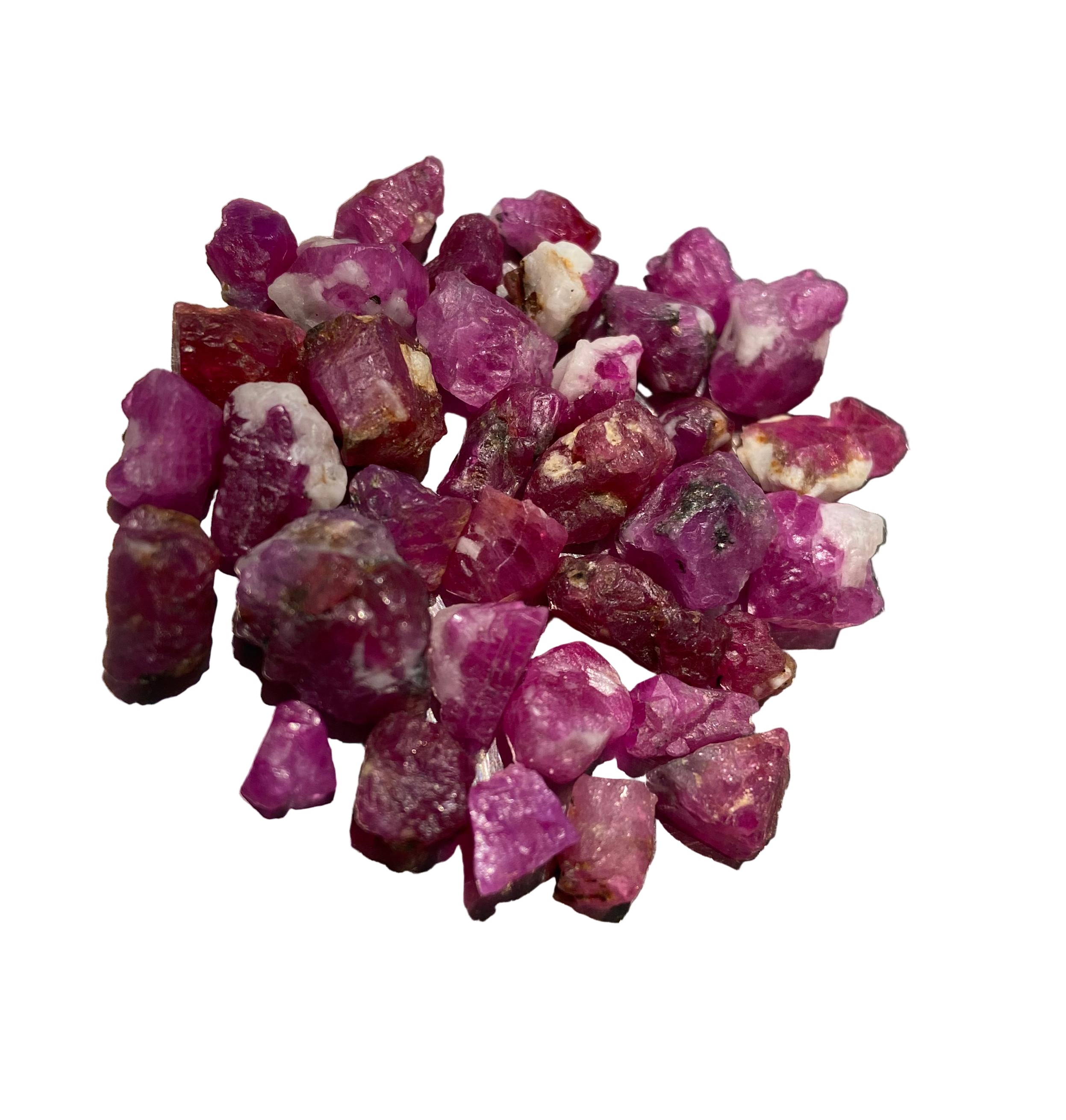
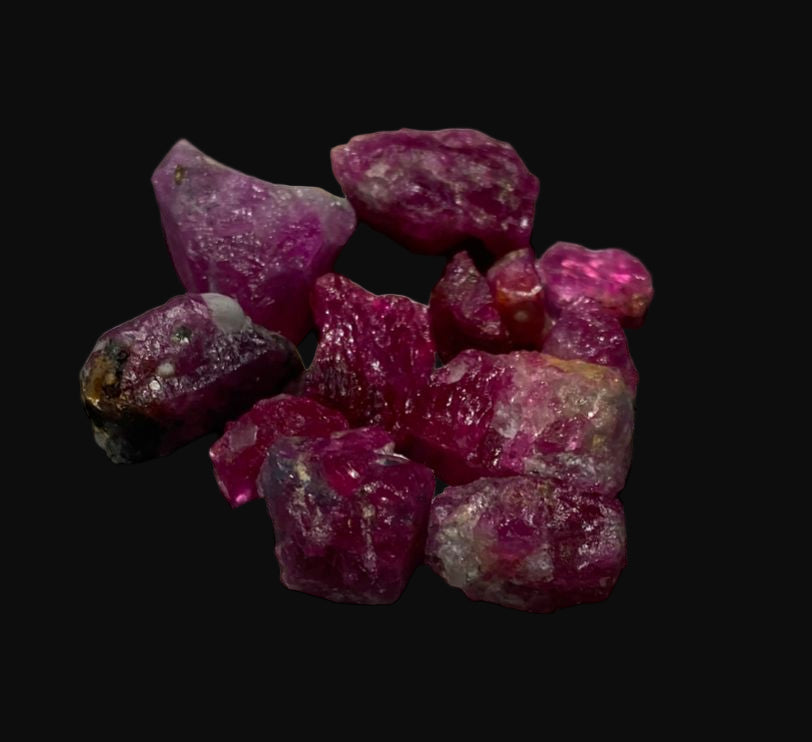
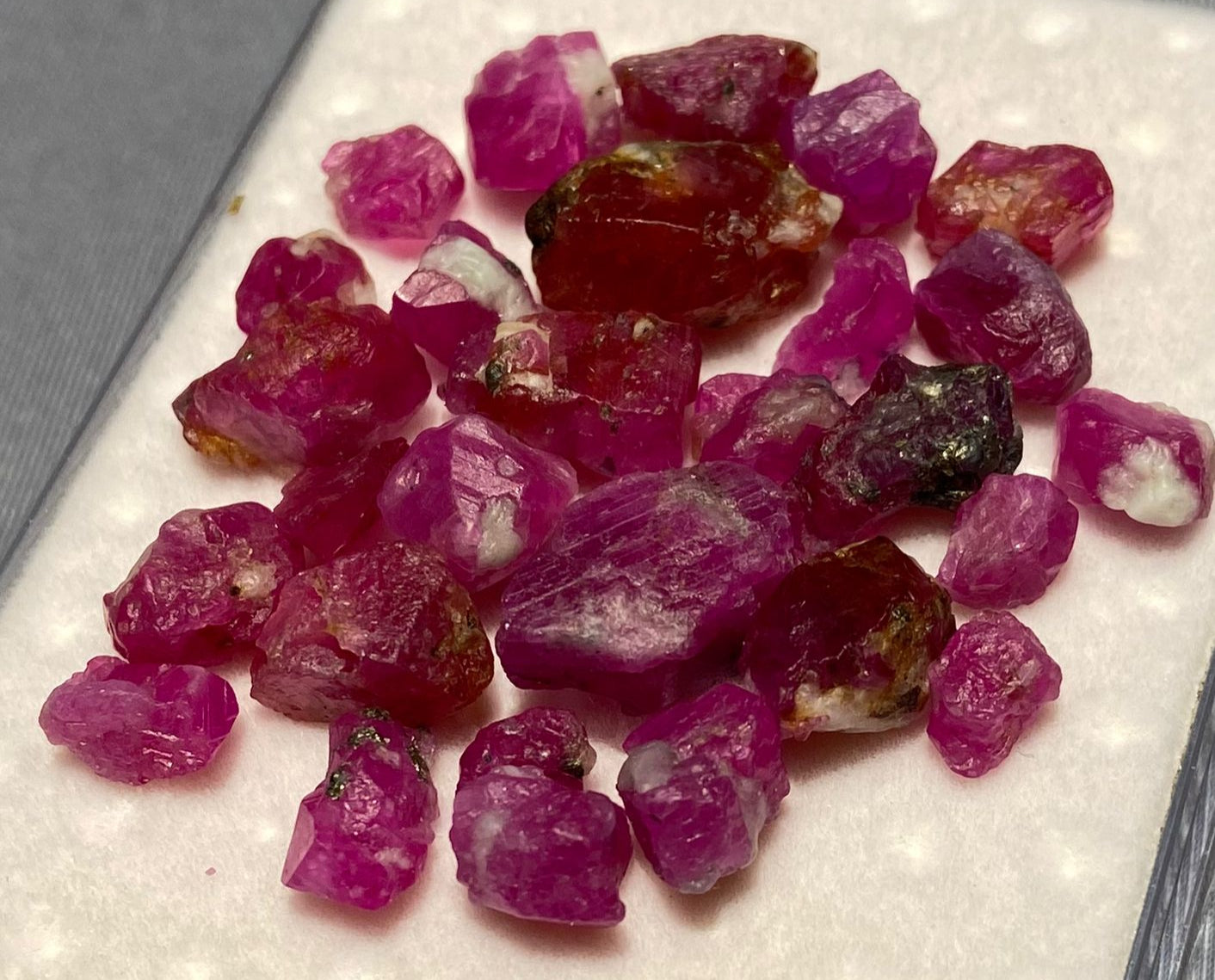
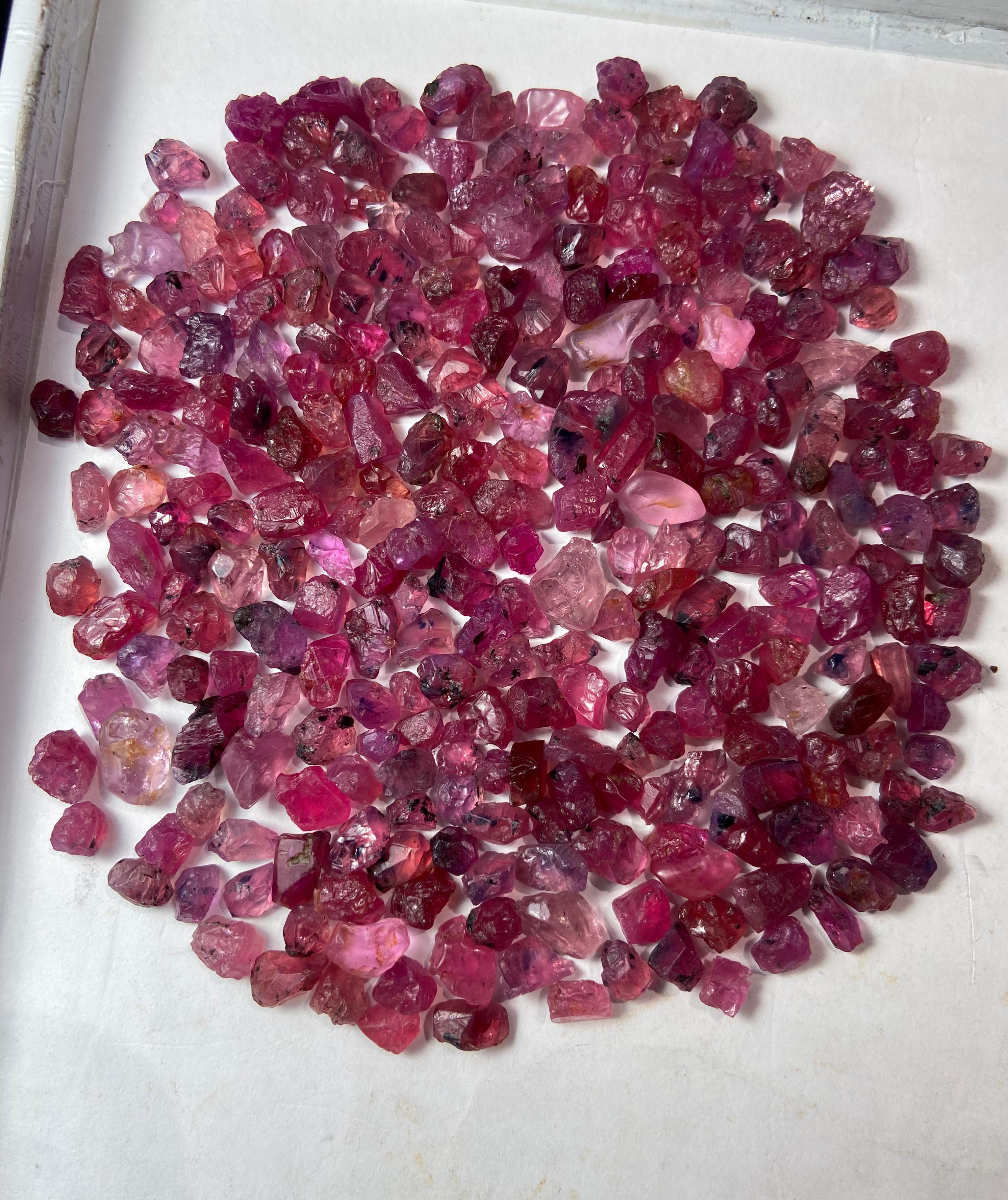
This collection includes natural raw ruby crystals, rough rubies for faceting, and loose cut ruby gemstones from key origins like Kashmir (Pakistan), Hunza, Afghanistan, Tajikistan, Mozambique, Madagascar, and Burma.
Looking for natural, raw loose ruby stones to use in your jewellery or lapidary creations?
Our collection features genuine, best-quality ruby gems that are perfect for artists looking to create unique and stunning pieces. With their deep red color and raw cut, these stones offer a distinctive look that is sure to stand out. Whether you're a seasoned jewellery maker or a novice lapidary artist, these ruby stones are a must-have for your collection. Shop now and add a touch of natural beauty to your creations!
Shop Ruby Stones by Form, Use & Buyer Type
To help you choose the right ruby stones fast, here is a simple way to browse by purpose:
- For faceting: natural raw rubies for faceting (best quality), selected crystals with workable clarity
- For lapidary & crafts: ruby stones for beading, cabbing, carving, wirewrapping, tumbling
- For collectors: raw ruby crystals with hexagonal shapes, ruby specimens, ruby slices with hexagonal marks
- For jewelry setting: loose cut faceted rubies (Kashmir, Afghanistan, Hunza, Tajik), plus select heated rubies (Mozambique, Burmese)
What form of Ruby Stones we have?
- Raw and loose Ruby crystals with hexagonal shapes
- Ruby Slices with hexagonal marks
- Natural Raw loose shape of ruby stones for beading
- Natural Raw loose shape of rubies for faceting (best quality)
- Natural Raw Kashmir Rubies with pegion blood color (100% natural and genuine rubies)
- Natural Raw Afghan rubies for faceting, beading, wirewrapping
- Natural Raw ruby crystals and ruby specimens from Kashmir, Hunza, Pakistan, Afghanistan, Tajikstan mainly
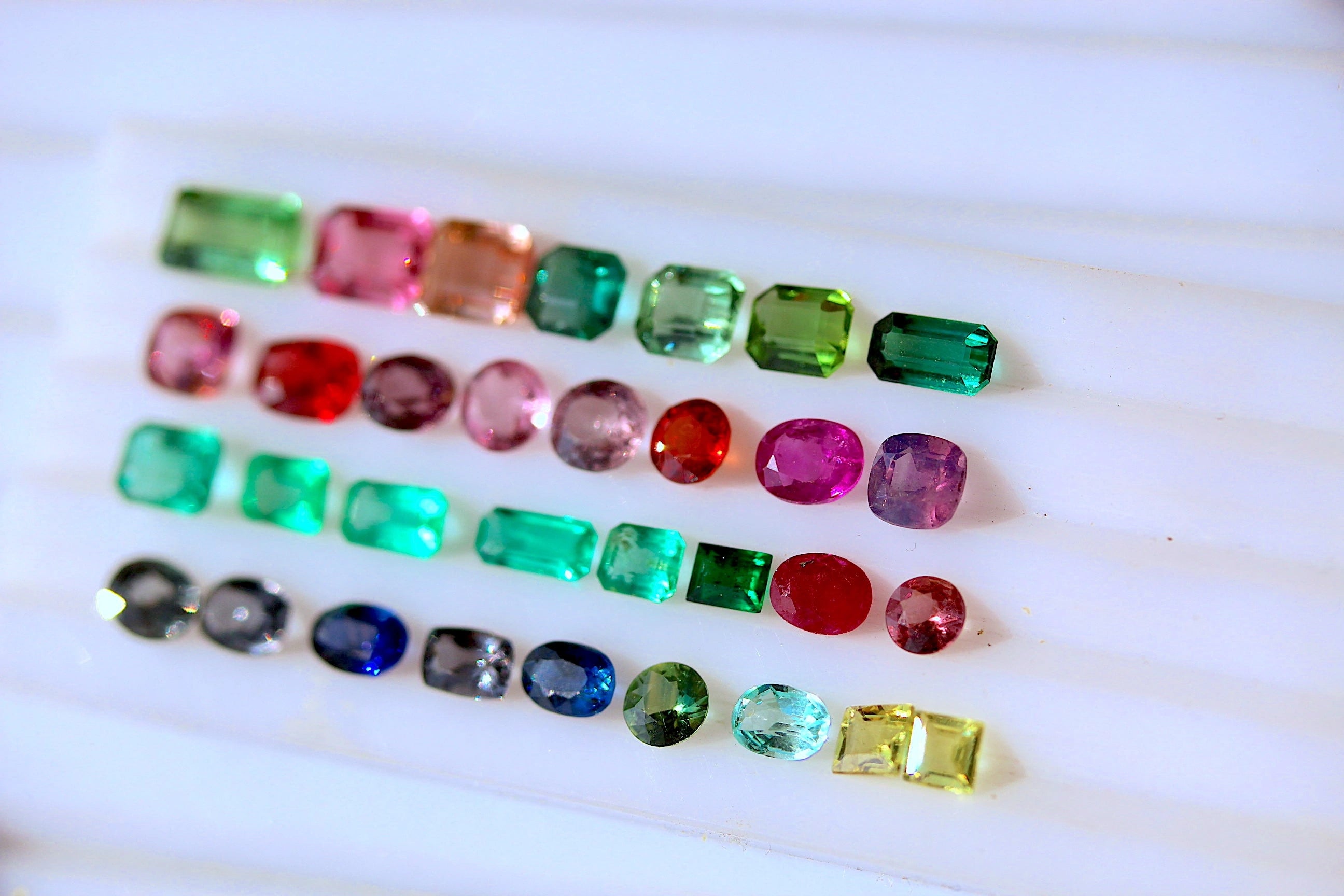
- Natural Loose cut faceted Kashmir Rubies, Afghanistan rubies, Hunza rubies, Tajik Rubies
- Natural Loose mozzabique rubies mostly heated
- Natural Loose Burmese Rubies heated and unheated rubies both
From which location, rubies we have?
Quick answer: We stock rubies from Pakistan (Kashmir & Hunza), Afghanistan, Tajikistan, Mozambique, Madagascar, and Burma.
- Pigeon Blood, Kashmir Rubies Pakistan
- Hunza Rubies Pakistan
- Afghan Rubies
- Tajik Rubies
- Mozambique Rubies
- Madagascar rubies
- Pigeon Blood, Burmese Rubies
How to Choose the Right Ruby from This Collection
- If you want the most natural crystal look: choose raw ruby crystals with hexagonal shapes and ruby slices with hexagonal marks.
- If you want lapidary-friendly stones: choose raw loose rubies for beading, cabbing, carving, tumbling, and wirewrapping.
- If you want jewelry-ready stones: choose loose cut faceted rubies (Kashmir, Afghanistan, Hunza, Tajik).
- If you want value-based lots: explore Mozambique and Burmese rubies where heated and unheated options may be available.
Types of Rubies Stones
- Rubies from Hunza Valley Pakistan
- Genuine raw cut ruby stones, with a deep red color that is sure to catch the eye.
- High-quality stones that are perfect for jewellery and lapidary art creations.
- Available in a range of sizes and shapes to fit your needs.
- Mined from the earth, these ruby stones are completely natural and untreated most of the time with us.
Scientific Aspects of Ruby Stone
Ruby is the red variety of corundum (Al2O3). Its red color comes from chromium. Rubies are durable (Mohs 9), making them ideal for jewelry and lapidary work.
- Ruby is a variety of the mineral corundum and is scientifically known as aluminum oxide (Al2O3).
- Ruby is one of the four precious gemstones, along with diamond, sapphire, and emerald.
- The color of ruby is caused by the presence of chromium and is highly sought after by collectors and gem enthusiasts.
- Ruby is a durable stone, measuring 9 on the Mohs hardness scale, making it ideal for use in jewelry.
- Hardness of 9 on the Mohs scale, making it one of the hardest gemstones available
- Refractive index of 1.76-1.78
- Specific gravity of 3.97-4.05
Ruby is a mineral that is scientifically known as corundum. It is a type of aluminum oxide that gets its distinctive red color from the presence of chromium. Ruby is one of the most valuable gemstones in the world and has been treasured for centuries for its beauty and rarity. Some other gemological aspects of ruby stones include:
In summary, our collection of natural raw loose ruby stones offers not only the beauty of the stone, but also the gemological and scientific aspects that make it a highly prized and durable gemstone. Add these stunning stones to your collection today and start creating your own unique and beautiful works of art.
Shop our collection of natural raw loose ruby stones now and add a touch of natural beauty and scientific wonder to your creations! if you have specific demand regarding ruby stones.
People also Ask following about Ruby Gemstones
1. How to buy a genuine ruby stone?
To buy a genuine ruby stone, focus on the 4Cs of gemstones: color, clarity, cut, and carat weight. Always check the stone’s color—vivid red or pigeon-blood red is the finest. Ask for a gemstone certification (like GIA, IGI, or GRS) to ensure authenticity. Purchase only from trusted jewelers, gem dealers, or reputable online platforms that provide return policies and transparency about treatments.
2. What is the price of ruby stone per carat?
Ruby stone prices vary widely depending on quality and origin.
- Low quality (treated rubies): $10 – $100 per carat
- Medium quality (good color, minor inclusions): $500 – $5,000 per carat
-
High quality (untreated, pigeon-blood Burmese rubies): $10,000 – $100,000+ per carat
The highest recorded price is over $1 million per carat for rare auction-grade rubies.
3. How to identify original ruby stone?
An original ruby will:
- Show a deep red to purplish-red color with natural inclusions.
- Feel heavier than glass or imitation stones.
- Scratch glass due to its hardness (Mohs scale 9).
- Glow under UV light if chromium is present.
For certainty, always rely on a gemological lab test and certificate.
4. Where to buy certified ruby gemstones?
Certified ruby gemstones can be purchased from:
- Reputable jewelry stores with in-house gemologists
- Trusted online gemstone retailers that provide lab reports
-
Gemstone auctions and trade shows for collectors
Ensure the ruby comes with certification from GIA, IGI, GRS, or AGL, confirming origin, treatment, and authenticity.
5. What are the benefits of ruby gemstone?
Astrological and symbolic benefits Ruby gemstones are believed to have as following :
- Enhances confidence, courage, and leadership
- Attracts love, passion, and vitality
- Brings prosperity and success (linked with the Sun in Vedic astrology)
- Provides protection against negativity
While benefits vary by belief, rubies are widely cherished for their power and symbolism.
6. How to care for and clean ruby jewelry?
- Use lukewarm water, mild soap, and a soft brush for cleaning
- Avoid ultrasonic cleaners if the ruby has treatments like glass filling
- Store rubies separately to prevent scratches from harder stones like diamonds
- Periodically get your ruby jewelry checked by a jeweler to ensure secure settings
7. What is the significance of pigeon’s blood color in rubies?
“Pigeon’s blood” rubies are the rarest and most valuable rubies, known for their vivid, pure red color with a slight bluish undertone. Traditionally associated with Burmese rubies, this color grade commands premium prices in the global market. Collectors and investors highly prize these rubies because of their beauty, rarity, and auction history.
8. How to differentiate natural ruby from synthetic rubies?
- Natural rubies form underground over millions of years and often contain inclusions.
-
Synthetic rubies are grown in labs but have the same chemical composition.
Differences: - Natural rubies show uneven color distribution and natural inclusions.
- Synthetic rubies may look too perfect, with curved growth lines visible under magnification.
Lab testing and certification remain the most reliable way to confirm authenticity.
9. What treatments are done on rubies and how do they affect price?
Common ruby treatments include:
- Heat treatment: Improves color/clarity. Widely accepted and keeps good value.
- Lead-glass filling: Enhances transparency but lowers durability and price.
-
Flux healing: Fills fractures with foreign material; less valuable than untreated rubies.
Untreated rubies with vivid red color are extremely rare and can cost exponentially more than treated stones.
10. Are Rubies More expensive than other precious stones?
yes Rubies are more expensive than other precious stones due to their rarity.